The Remarried Empress Review (2026): Story, Cast & What to Expect

Written by Huzaifa for DaebakDaily
My early verdict: put it on your watchlist if you love palace politics, messy relationships, and a heroine who can answer humiliation with a decision of her own. This pre-release The Remarried Empress review finds plenty to be excited about, especially the four leads. My biggest question is whether the adaptation will give its characters enough emotional depth to match the spectacle.
This is a preview based on confirmed information and released promotional material. I haven’t reviewed advance episodes, so there’s no performance score or claim about the finished ending.
The Remarried Empress release date and where to watch
The confirmed premiere is November 4, 2026, with ten episodes planned. Disney’s current guide lists Hulu and Disney+ as the streaming platforms, with availability varying by region. Its announced release pattern is unusually generous at the start: four episodes arrive together, followed by two each week.
| Release date | Episodes |
|---|---|
| November 4 | Episodes 1–4 |
| November 11 | Episodes 5–6 |
| November 18 | Episodes 7–8 |
| November 25 | Episodes 9–10, including the finale |
That schedule follows the rollout published in the official Disney+ guide.
Four opening episodes should give us a fair chance to judge the relationships before the weekly wait begins. That’s useful for a drama whose appeal depends on understanding what its characters stand to lose.
If you prefer watching everything together, the announced finale date is your calendar marker. If you enjoy arguing about questionable royal decisions between releases, the weekly stretch looks made for you.
The Remarried Empress review: why the story has such a good hook
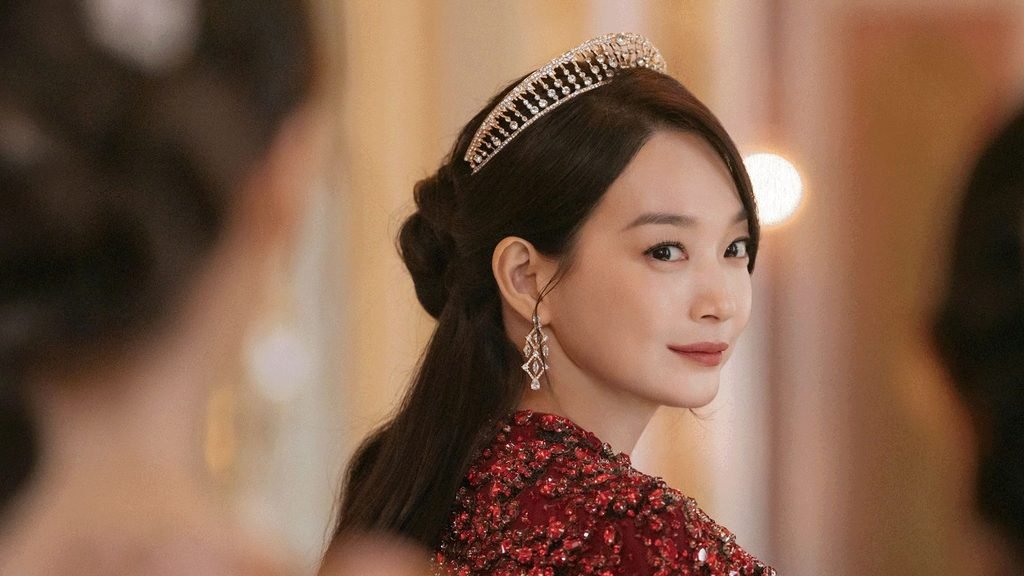
Navier is the empress of the Eastern Empire. Her husband, Emperor Sovieshu, falls for Rashta, a woman who has escaped slavery, and seeks a divorce. Navier accepts—but requests permission to marry Heinrey, the prince of the rival Western Kingdom. That is the advertised premise, so mentioning the remarriage doesn’t spoil some hidden finale twist.
That response sells the story to me.
A divorce threatens more than Navier’s relationship. Her identity, public standing, and future are caught up in her position. Choosing another marriage therefore carries political weight alongside the possibility of affection.
The interesting question is how freely she can make that choice. Can she find love while also protecting a life she has worked to maintain? Can an alliance become intimate without turning her into someone else’s possession?
I want the drama to sit with those questions. Watching Sovieshu discover that Navier has options should be satisfying, obviously. But her future needs to matter beyond his reaction to it.
Otherwise, he still gets to be the center of her story.
The Remarried Empress cast: the four people driving the conflict
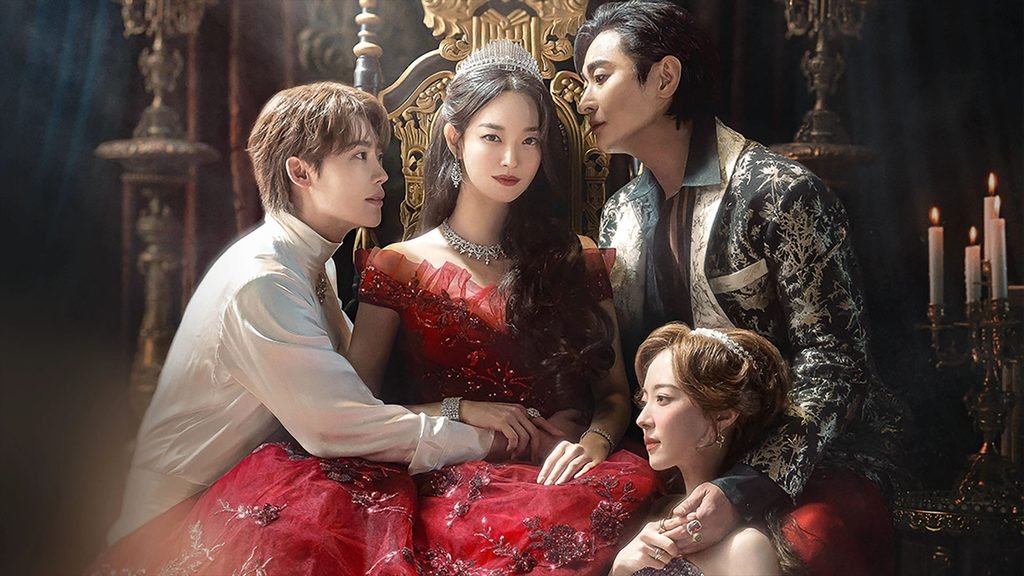
The confirmed lead cast is straightforward, even if the relationships are anything but.
| Actor | Character | Place in the story |
|---|---|---|
| Shin Min Ah | Navier | Empress of the Eastern Empire |
| Ju Ji Hoon | Sovieshu | Navier’s husband and the emperor |
| Lee Jong Suk | Heinrey | Prince of the Western Kingdom |
| Lee Se Young | Rashta | The runaway woman who wins Sovieshu’s affection |
The casting makes me curious about all four corners of the conflict. Still, a familiar face can only get a show onto my watchlist. The writing has to give each actor something worth playing.
Shin Min Ah and Ju Ji Hoon need a marriage we can believe in
Navier needs composure, but I don’t want composure mistaken for emotional emptiness. Her calm response will mean more if we can feel what maintaining it costs.
Shin Min Ah’s task, as I see it, is to make the person beneath the title visible without stripping away the self-control that makes Navier compelling. A heroine can be capable and still misread someone, hesitate, or privately fall apart.
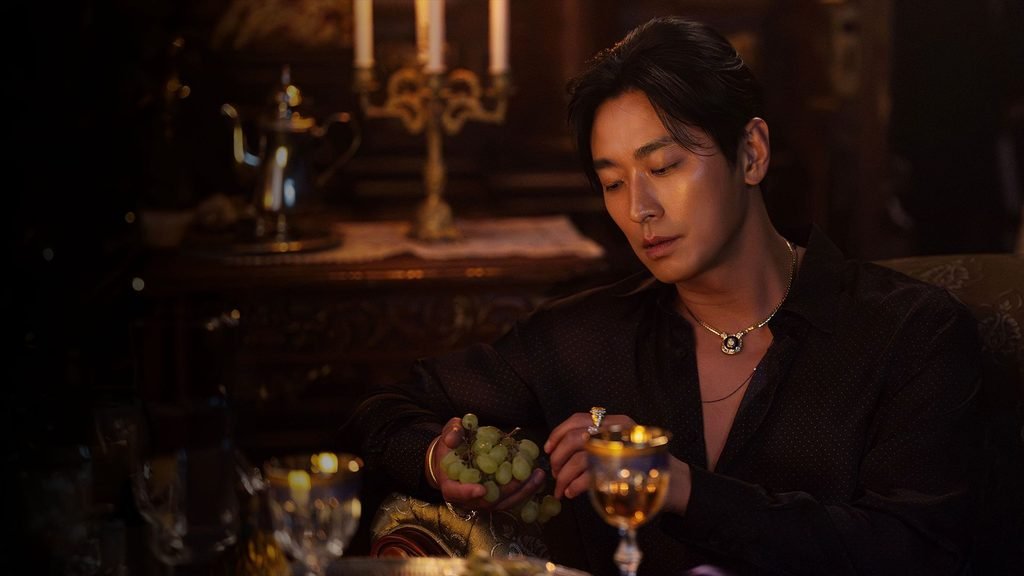
Sovieshu presents the opposite challenge. The promotional setup gives him an obvious betrayal to answer for, but Ju Ji Hoon needs room to make his reasoning believable from inside his own head. The teaser establishes affection between the married couple before showing the rupture.
That history matters. If their marriage feels disposable from the beginning, the divorce loses much of its sting.
I don’t need the drama to excuse him. I need to understand how he excuses himself.
Lee Jong Suk and Lee Se Young have the roles I’m most curious about
Heinrey’s promotional material emphasizes contrasting behavior: affection toward Navier and a colder manner toward Sovieshu. The October character preview also pairs a sword-bearing image with a relaxed palace appearance.
That gives Lee Jong Suk an interesting balancing act. Charm should draw us in, while the political context leaves us wondering how much we understand him. I’m hoping his connection with Navier develops through trust and choices, with attraction doing only part of the work.
Rashta may be the bigger test.
October’s promotional description traces her movement from excitement about palace life toward fear of losing it and a growing desire for more.
There’s a character there. Lee Se Young needs space to show how insecurity, ambition, and dependence interact. I can root for Navier while still wanting Rashta’s behavior to make sense. In fact, a convincing rival would make their conflict considerably more painful.
What the previews promise beyond beautiful clothes
The detail that makes this pre-release The Remarried Empress review more optimistic is how the promotional material uses public gestures.
September’s ballroom stills show Sovieshu choosing Rashta’s hand while Heinrey offers his to Navier. Another image places Heinrey before Navier, kissing her hand during his visit with a New Year’s delegation. These are released promotional moments, not scenes I’m assigning to specific episodes.
My reading: attention functions as a public declaration in this court.
Whom you approach, touch, or leave standing alone tells everyone else where affection—and potentially influence—has moved. That gives a simple dance invitation consequences beyond whether two people look good together.
It’s a promising way to tell this story visually. I’d much rather notice a room reacting to Navier than hear another speech explaining her importance.
The episodes still have to supply the timing, performances, and consequences. A still can advertise a confrontation; it can’t prove the drama has earned it.
Is The Remarried Empress based on a webtoon or a novel?
The story originated as a web novel by Alphatart and also has a webtoon adaptation. The official English WEBTOON listing credits SUMPUL for art, HereLee for adaptation, and Alphatart for the original work. Disney identifies the live-action series with the NAVER WEBTOON property.
Those distinctions matter when discussing adaptation changes. A reader’s favorite illustrated moment and a novel reader’s favorite passage may set up different expectations.
For now, the shared premise is clear. Exactly how the television version rearranges events, handles internal thoughts, or chooses its stopping point needs to be judged from the episodes.
My preference is simple: preserve the reasons behind the decisions. Recreating a gorgeous panel means little if the screen version removes the emotional logic that made it memorable.
For another example of why source formats matter, DaebakDaily’s Take Charge of My Heart source-story explainer breaks down a similar webtoon-versus-novel search mix-up.
What fans are actually saying
The recent r/KDRAMA poster discussions contain a more interesting split than blanket excitement.
Some commenters hope the European-inspired fantasy setting succeeds and encourages more adaptations in that style. Others praise the cast while questioning the premise or remembering frustrations with the source’s later pacing. These are reactions within specific threads, not a survey of the whole audience.
There’s also a very specific adjustment people are joking about: hearing names such as Sovieshu spoken in emotional Korean dialogue. The teaser-poster discussion includes both enthusiasm and uncertainty about Korean performances inside this particular fantasy aesthetic.
I understand the initial double take. But I’m willing to meet the drama on its own terms.
For me, the deciding factor will be whether the world feels consistent once the characters start interacting. If I believe the social rules and emotional stakes, unfamiliar names won’t be what pulls me out.
The biggest risk is how the drama distributes sympathy
The question that will matter most in my eventual The Remarried Empress review is whether the script lets all four leads remain complicated.
It would be easy to give Navier dignity, Heinrey charm, Sovieshu selfishness, and Rashta jealousy, then keep pressing those same buttons. That might produce a few satisfying confrontations. Ten episodes need more.
Rashta’s vulnerable starting position should affect how we understand her choices, even when those choices hurt someone. Sovieshu’s authority should also remain part of the conflict; he has power that neither woman can simply wish away.
And Navier needs decisions that reveal character, not endless situations arranged to prove she was right.
Pacing is the other concern. A shorter run could sharpen the material, but it could also rush the transition from betrayal to trust. I want enough time to believe a new relationship has become possible, even when I already know whom the title promises she’ll marry.
Is The Remarried Empress worth adding to your watchlist?
My pre-release The Remarried Empress review verdict: yes, with the strongest recommendation going to viewers who enjoy romantic conflict with public consequences.
The premise gives the heroine a meaningful response to betrayal. The cast makes all four central roles worth watching. And the promotional scenes suggest that the court’s ceremonies can carry real dramatic tension.
I’m especially interested in whether Navier and Heinrey develop a relationship that feels valuable in its own right. Making Sovieshu jealous is an entertaining bonus; it can’t sustain the romance.
If you want gentle escapism with minimal infidelity drama, this setup probably won’t suit your mood. If you want divided loyalties, strategic marriages, and a heroine whose next move can change the room, keep it on your list.
No numerical rating yet. The premise has earned my attention. The episodes need to earn the score.
What matters more to you in this adaptation: keeping Navier’s controlled, regal presence, or giving Rashta enough depth to make the rivalry harder to judge?