Take Charge of My Heart Review: Does the Electric Romance Work?

Written by Huzaifa · DaebakDaily
A ridiculous romance premise can get me through the door. It cannot keep me there for ten episodes by itself. A woman who can recharge a man’s artificial heart certainly clears the first hurdle, but this Take Charge of My Heart review comes down to what happens once the electricity stops being the most interesting thing about them.
The spoiler-free verdict
Take Charge of My Heart earns 7/10 for an appealing central couple, playful comedy, and a fantasy setup with real emotional potential. Chae Soo-bin and Kim Young-kwang make the romance worth following, although predictable rivalries and uneven pacing keep it below the best in the genre. Watch for the relationship, with modest expectations for everything surrounding it.
The main review avoids major plot revelations. A clearly marked section near the end discusses the finale.
| At a glance | Details |
|---|---|
| Release | October 9, 2026 |
| Episodes | 10 |
| Genre | Fantasy romantic comedy |
| Lead actors | Kim Young-kwang and Chae Soo-bin |
| Director | Park Soo-won |
| Writer | Song You-chae |
| Streaming | Netflix |
| DaebakDaily rating | 7/10 |
An unusual problem makes ordinary affection matter

Na Bo-bae, played by Chae Soo-bin, is a struggling drama writer whose childhood lightning strike left her able to generate electricity. Physical contact can hurt other people, which makes the everyday intimacy most romances take for granted difficult for her.
Kim Young-kwang plays Baek Ho-rang, a wealthy resort executive whose artificial heart needs power. He becomes the exception to Bo-bae’s dangerous touch: her electricity can help him.
Their arrangement has two deadlines. Ho-rang needs to reach another operation; Bo-bae needs to produce a convincing romance script. He agrees to help her experience the romantic situations she wants to write about in exchange for her help keeping his heart charged.
That is an excellent excuse for forced proximity. It also makes something as small as holding hands carry different meanings for each person.
The series adapts Haebeon’s web novel Charge Me Up. DaebakDaily’s guide to Take Charge of My Heart’s original story explains the source material and why it is often mistaken for a webtoon.
What works: Chae Soo-bin gives the fantasy an emotional centre

Bo-bae is the character who makes the premise worth caring about. Her problem reaches beyond finding a boyfriend. Imagine having to think through every casual touch before it happens: affection becomes a calculation, and other people’s comfort becomes your responsibility.
That reading of her situation gives the comedy a useful limit. Her awkwardness can be funny without making her loneliness the joke.
Chae Soo-bin brings the right mix of openness and embarrassment to the role. Bo-bae wants romance badly enough to be ridiculous about it, yet her enthusiasm makes sense for someone who has mostly had to imagine experiences other people take for granted.
Her writing ambitions matter, too. A heroine with a job is not automatically a developed character; that job needs to shape what she wants. Here, her lack of romantic experience affects the stories she is expected to write. Personal and professional frustration feed each other.
I find that more interesting than another heroine whose entire future becomes a question of whether a rich man chooses her.
Acting and chemistry: the attraction needs time
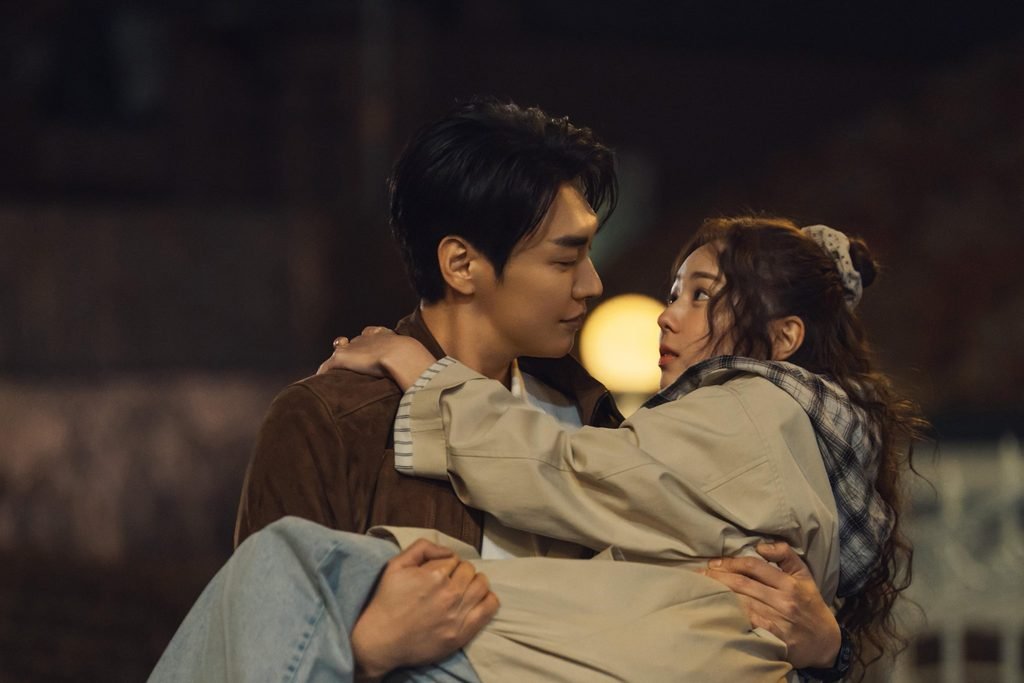
The Take Charge of My Heart acting and chemistry work best when Ho-rang’s confidence stops being useful.
He can negotiate business matters. He cannot negotiate his way out of needing Bo-bae. Kim Young-kwang’s polished manner is a good starting point, but the character becomes more appealing when composure gives way to awkwardness. There is room for humour in a man who expects to manage everything discovering that another person has her own priorities.
The leads also have different ideas about what their closeness means. That disagreement gives their conversations more energy than a straightforward exchange of flirting would.
Still, the initial collision is broad comedy. An accidental kiss can establish the situation; it cannot establish trust. Anyone expecting an immediately convincing romance should give the relationship some time to develop.
My Demon is one of my personal favourites, so supernatural dependence is an easy sell for me. What matters is whether affection remains interesting beyond that dependence. Here, the couple’s gradual adjustment to each other is a stronger attraction than the charging gimmick.
A romance writer is a smart choice for this heroine
Bo-bae’s imaginary romantic scenarios give the series permission to be openly theatrical. The story she writes even reverses the leads’ positions, imagining Ho-rang as her bodyguard.
That choice offers a useful glimpse of how she understands love. She knows its familiar images before she knows its everyday reality.
There is something relatable in that, even without the fantasy. Plenty of people know exactly what their perfect relationship should look like, then discover that actually dealing with another person is considerably messier.
For me, the interesting question is whether Bo-bae can move beyond completing an imagined scene and recognise affection that does not follow her script. A successful date and a meaningful relationship are different achievements.
The romantic wish list works as comedy, but it also gives the writing a way to examine that difference.
What doesn’t work: the surrounding conflicts need more weight
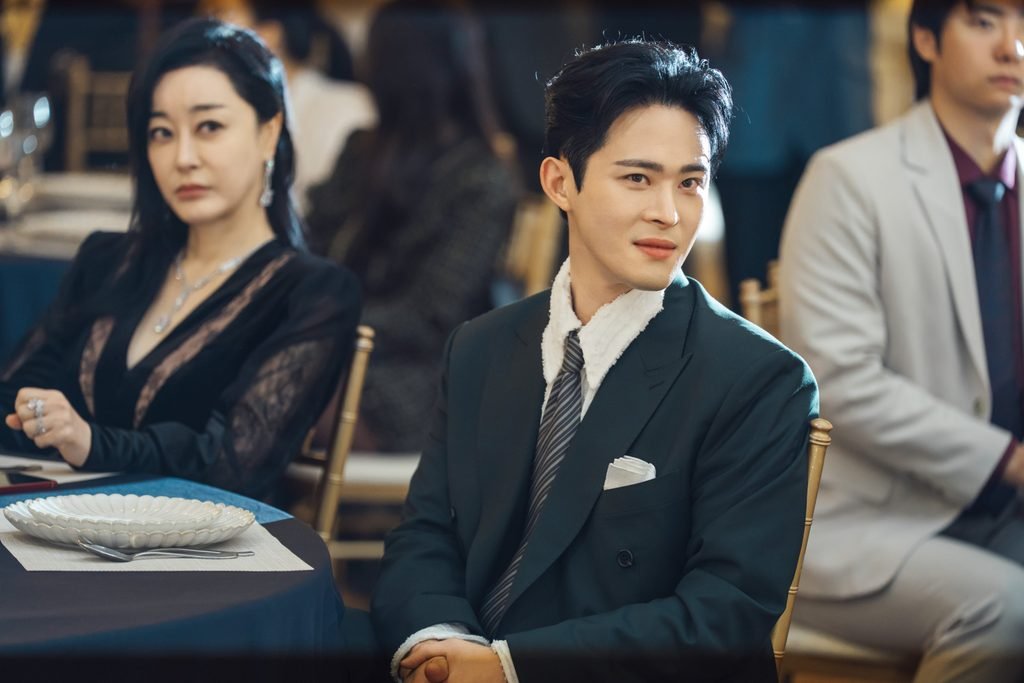
The biggest limitation in this Take Charge of My Heart review is how much less distinctive the surrounding drama feels.
Cha Woo-min plays Ji Eun-ho, an actor devoted to Bo-bae. Jeong Jae-kwang plays Ho-rang’s cousin Choi Do-yoon, while Shin Do-hyun plays Han Seol-hee, whose interests further complicate the situation.
They give the leads opposition and alternatives. They do not consistently give the series another relationship as compelling as its central one.
Eun-ho is most useful as someone who values Bo-bae’s writing. That recognition tells us something about her beyond her unusual ability. As a romantic competitor, though, he operates inside a story whose central pairing is already built into its premise.
Similarly, the corporate struggle can establish Ho-rang’s circumstances without automatically becoming gripping drama. Business ambition and family pressure need individual motivations strong enough to make their scenes worth anticipating.
Too often, these strands feel like obstacles to get past. I wanted more reasons to care about them while they were happening.
Take Charge of My Heart pacing: ten episodes still need discipline
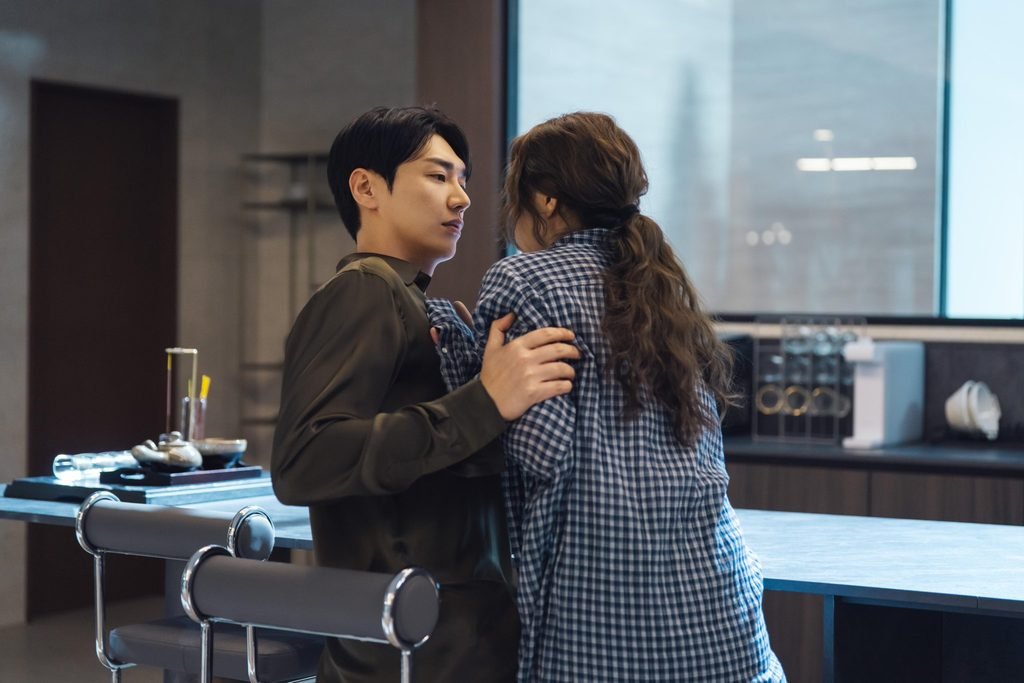
Ten episodes sound manageable, but most run around an hour. This is still a substantial commitment.
The early progression has a clear purpose: discovery, negotiation, then living with the consequences of the arrangement. Once that framework is established, the series has to keep changing what the leads understand about each other.
That is where the romantic material has an advantage. A date undertaken as research can become unexpectedly personal. A small gesture can challenge an assumption. Neither requires a huge plot twist.
Episode four’s contrast between a tense family birthday lunch and Bo-bae’s simpler surprise is a good example of the kind of material this story needs. It puts different forms of attention beside each other and lets the difference matter.
The less rewarding stretches come when outside complications crowd out that progress. Predictability alone is not the problem. Repeatedly delaying an expected emotional step without adding enough understanding is.
I would recommend watching a couple of episodes at a time. The playful tone suits a relaxed evening better than treating all ten hours as a race.
Who is Take Charge of My Heart for?
Is Take Charge of My Heart worth watching? Yes, if your priority is a likeable couple, heightened comedy, and a romance that makes small moments of closeness feel significant.
Business Proposal is another useful reference point for my taste: I am quite happy with a familiar setup when the characters make its awkward situations enjoyable. I do not need every romance to surprise me. I do need the familiar parts to have personality.
This series is a reasonable choice for viewers with that same tolerance.
It is less convincing as a recommendation for someone seeking detailed fantasy rules, understated humour, or a substantial corporate drama. The artificial heart belongs to the show’s romantic fantasy, so expecting medical realism will only make its central conceit harder to accept.
If you wanted a Take Charge of My Heart spoiler free review before deciding, you can stop here: the couple justifies a try, but the supporting story is unlikely to convert a rom-com sceptic.
Ending discussion — spoilers ahead
This section reveals the couple’s outcome and discusses Bo-bae’s powers.
Bo-bae and Ho-rang finish the series together. The finale also gives Bo-bae progress in her writing career, which matters: her reward extends beyond becoming someone’s partner.
The stronger emotional test comes when her powers appear to have disappeared. That uncertainty forces the relationship to confront the bargain that brought them together. Being helpful to someone and being loved by them can feel dangerously similar when usefulness is the foundation of the arrangement.
My reading is that the ending succeeds by reassuring Bo-bae that her place in Ho-rang’s life extends beyond charging his heart. That is the reassurance the premise owes her.
The closing electrical spark leaves room for interpretation about her ability. It does not erase the romantic resolution. I prefer that small uncertainty to an elaborate explanation of every fantasy mechanism, although viewers who want firm rules may find it too convenient.
Final rating: 7/10
The answer at the centre of this Take Charge of My Heart review is yes: the electric romance works well enough to recommend, with clear reservations.
Bo-bae’s isolation, the leads’ contrasting temperaments, and the awkward negotiations around closeness give the relationship something to build on. The predictable rivalries and less engaging side plots stop the whole series from matching its best idea.
Seven feels fair. There is affection here worth making time for, but the premise promises a more distinctive drama than the surrounding writing consistently delivers.
What rating would you give Take Charge of My Heart—and did Bo-bae and Ho-rang’s chemistry make the familiar plot work for you?