100 Days of Deception True Story: History and Fiction Explained
Written by Huzaifa
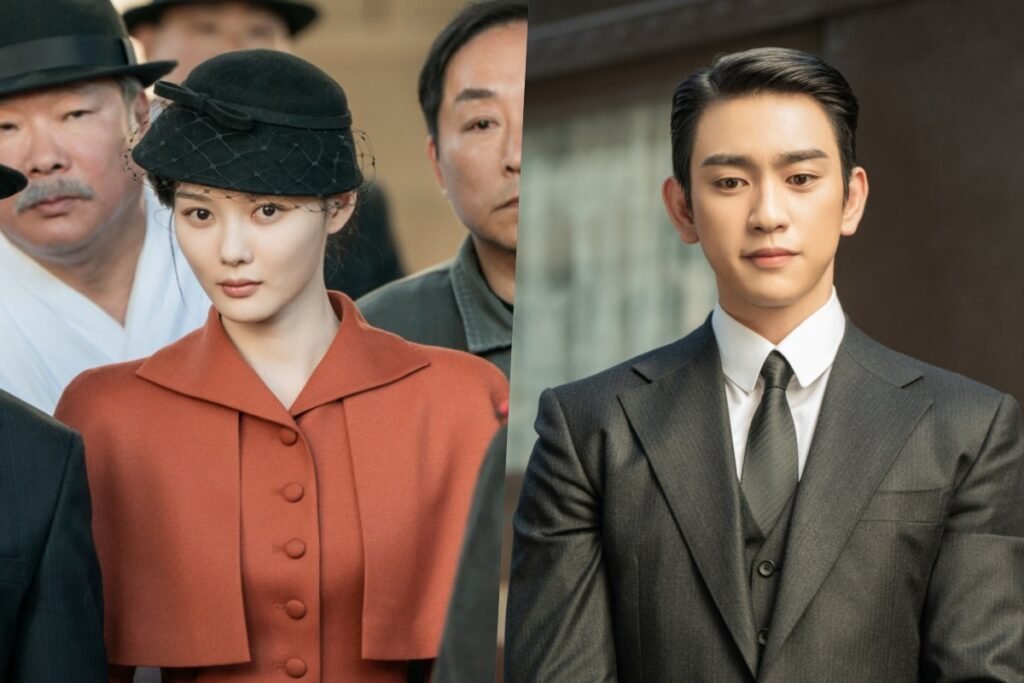
A stolen bag, a colonial official and an assassination plan can make a drama feel like a forgotten chapter from a history book. The 100 Days of Deception true story question makes sense, especially when the setting is this specific. But which parts belong to Korea’s past, and which belong to the script?
Quick Answer
No documented true-story basis has been confirmed for 100 Days of Deception. The 2026 drama uses the real setting of Japanese-occupied Korea, but Lee Ga-kyeong’s undercover mission and romance are presented as a fictional narrative. Its historical backdrop is real; its central characters should not be treated as verified historical figures.
100 Days of Deception true story check: what is real?
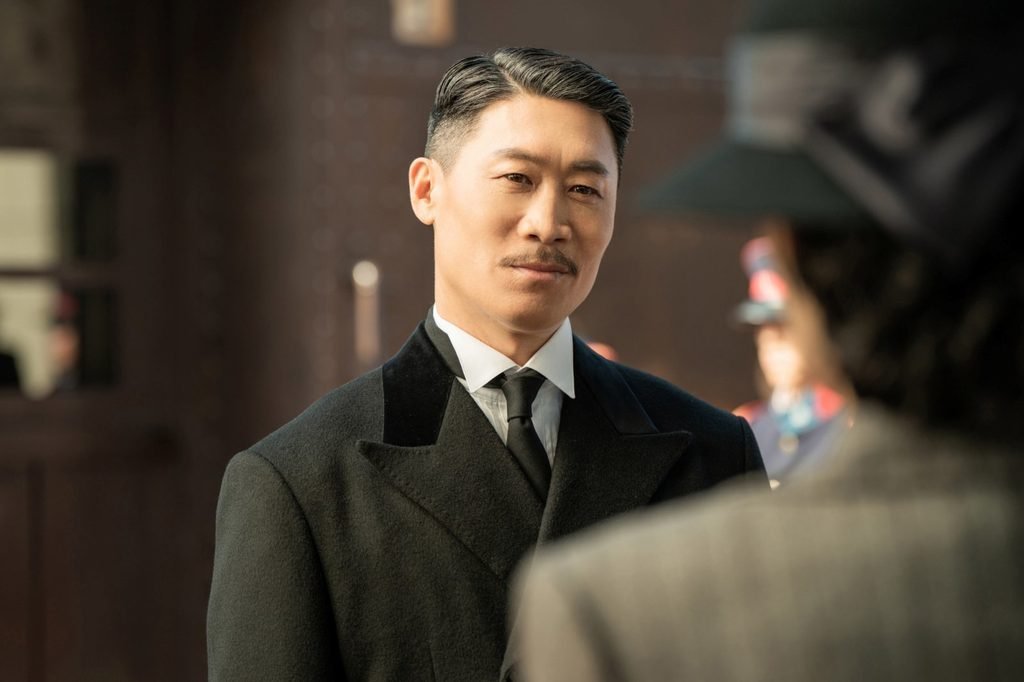
The useful distinction is between a story set in history and a story adapted from an actual person’s life. This series fits the first description on the available evidence.
The official Netflix listing describes a pickpocket entering the colonial government to steal information and falling for her target’s son. That establishes the dramatic premise. It does not identify a real woman whose biography the series is retelling.
Here is the dividing line:
| Element | Historical fact or fictional story? |
|---|---|
| Gyeongseong | A real colonial-era name for present-day Seoul |
| Japanese rule over Korea | Real; the colonial period lasted from 1910 to 1945 |
| Japanese Government-General of Korea | A real colonial institution |
| Korean independence activism | A real movement involving many people and organizations |
| Ga-kyeong’s mission and central romance | A fictional narrative without a confirmed documented counterpart |
| The specific 100-day assignment | Part of the drama’s premise; no matching historical operation has been established |
Why the 1932 Gyeongseong setting matters
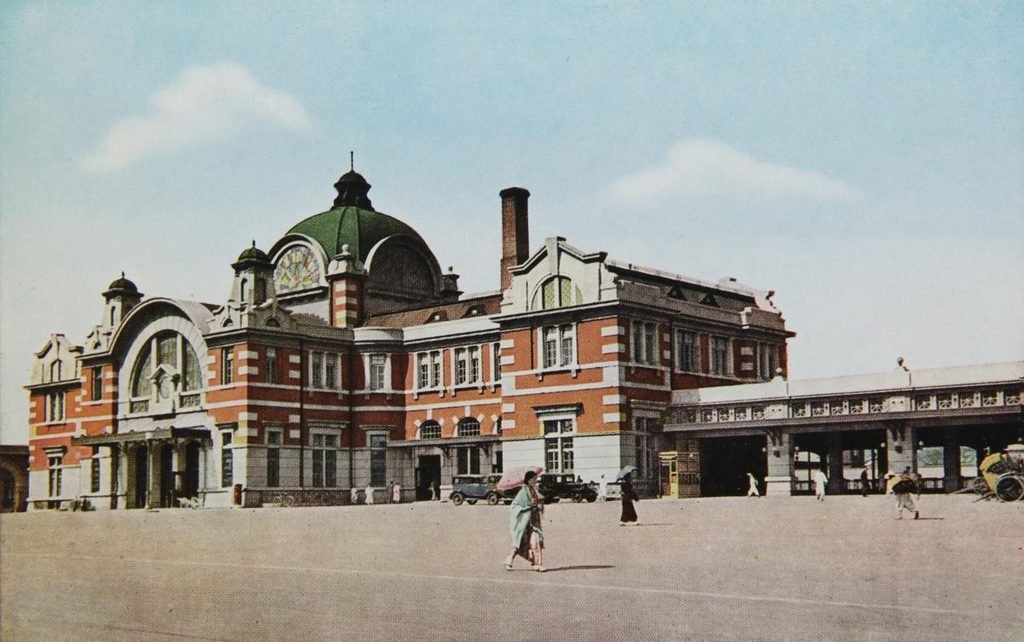
The 100 Days of Deception historical setting is 1932 Gyeongseong, during Japanese colonial rule. This is a city under foreign administration, where political authority and unequal treatment shape everyday choices.
The Seoul Museum of History’s account of colonial Seoul explains that the Government-General held sweeping administrative, military, legislative and judicial powers. It also describes a city transformed by modern buildings and commercial spaces while discrimination remained built into its organization.
An elegant station or impressive government office can belong to a modern-looking city while also serving an oppressive system.
For Ga-kyeong, entering the Government-General therefore carries more weight than sneaking into an ordinary workplace. She is moving into the institution through which colonial power operates.
This is also why “Joseon” in descriptions of the series should not send you expecting a royal-court romance. The political situation is colonial Korea, not a king ruling an independent Joseon court.
Who are the fictional characters?
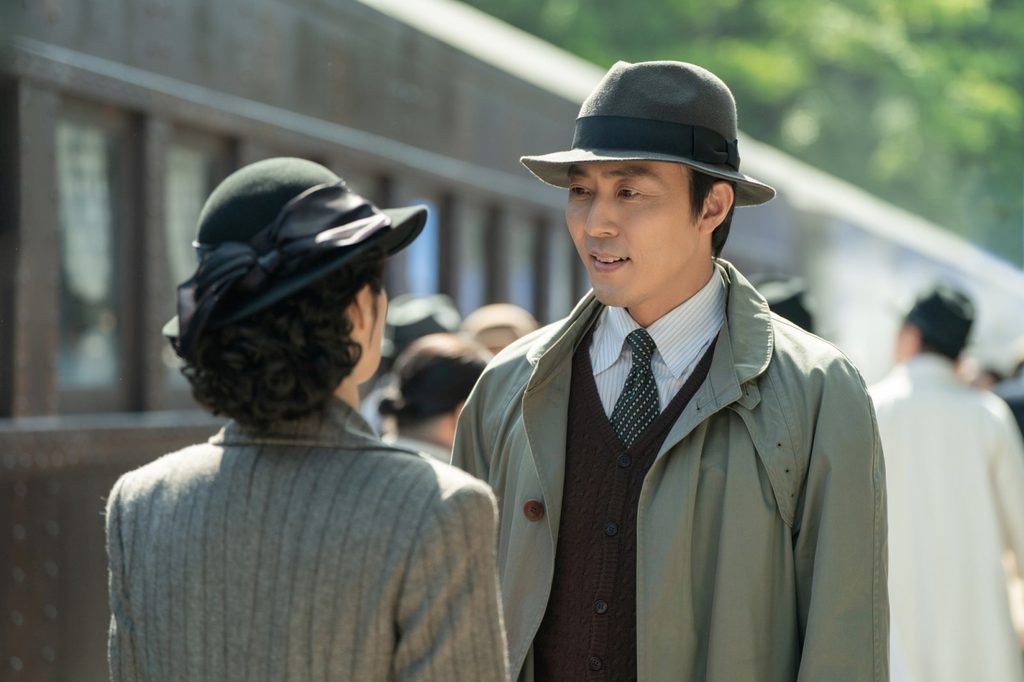
The main 100 Days of Deception fictional characters occupy recognizable positions within that historical world. Their occupations and conflicts can feel plausible without making them identifiable historical people.
| Character | Actor | Role in the story |
|---|---|---|
| Lee Ga-kyeong / Geum Seo-hee | Kim You-jung | A pickpocket who assumes another identity for an undercover mission |
| Kim Tae-woong / Sato Hideo | Park Jin-young | An interpreter and the adopted son of Sato Shinichi |
| Yoo So-ran | Kim Hyun-joo | A resistance sniper who brings Ga-kyeong a dangerous proposal |
| Yoo Philip, also written Philip Yoo | Lee Moo-saeng | A journalist involved in the resistance operation |
| Sato Shinichi | Jin Sun-kyu | A senior official in the colonial administration and Hideo’s adoptive father |
The two names attached to each lead were something I went back to check.
Ga-kyeong’s alias is part of her undercover identity. Tae-woong and Sato Hideo are names attached to the same man. Neither pairing establishes a connection to a documented historical figure.
The opening thefts: how an ordinary crime becomes political
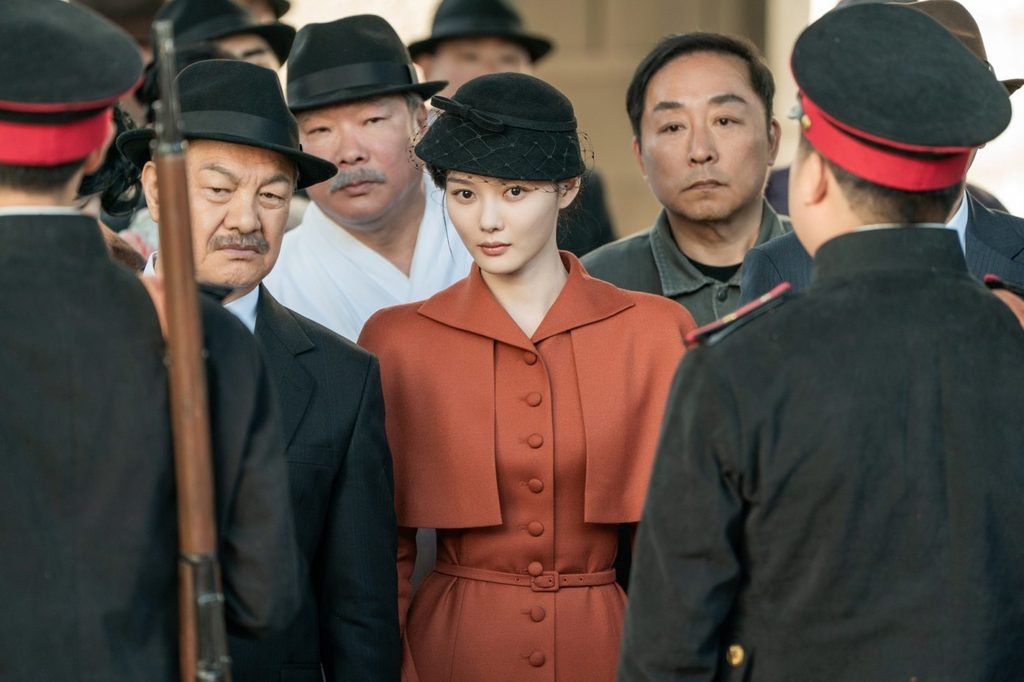
Opening-episode spoilers follow. These scenes explain how the story pulls Ga-kyeong toward the resistance plot; they are not a reconstruction of a verified historical incident.
The series premiered on October 10, 2026, bringing characters with competing objectives into the same crowded space.
First, Ga-kyeong steals So-ran’s bag at Gyeongseong Station. Her immediate purpose is theft. She has not approached So-ran as a committed participant in the operation.
Next, she crosses paths with Hideo and steals his wallet. The encounter links her to someone whose family position will make him much harder to avoid than a random victim.
Then, the contents of the stolen bag change the situation. Ga-kyeong finds ammunition and later approaches So-ran seeking money.
The cause-and-effect is what matters here: the theft creates contact, the ammunition gives that contact a dangerous meaning, and Ga-kyeong’s attempt to profit takes her closer to the operation.
My reading is that this establishes a character whose survival skills can become useful for espionage before her reasons for using them have changed.
The dinner trap: why everyone’s lies collide
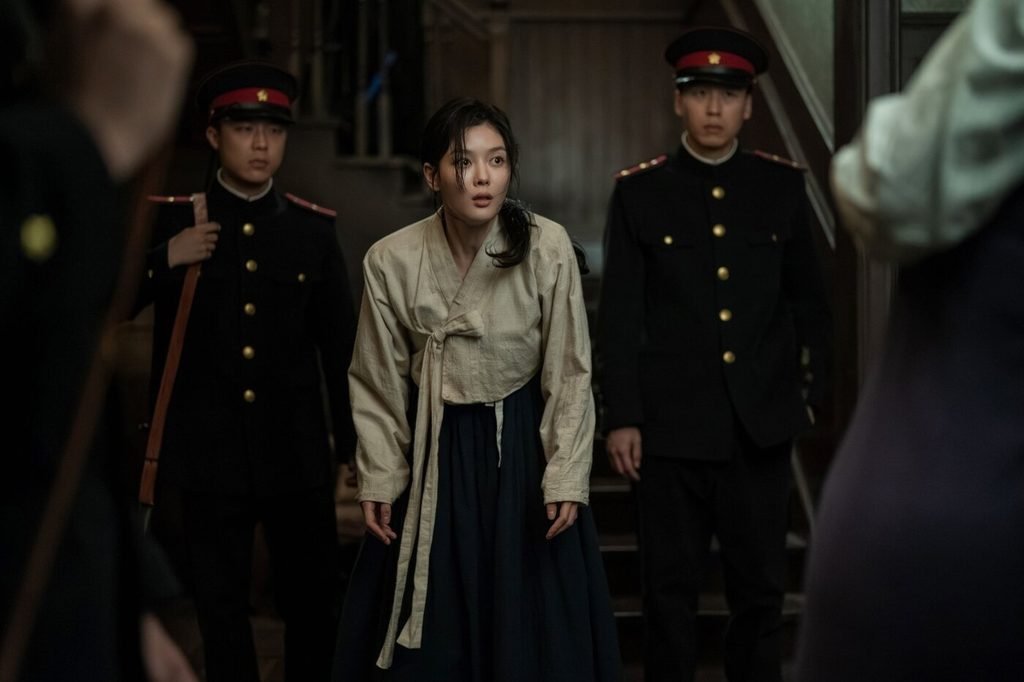
So-ran and Philip are posing as a married couple. Their domestic appearance conceals their involvement in a plan against Sato Shinichi. The dinner invitation is part of that setup.
Hideo’s presence complicates the operation. Ga-kyeong also arrives, and her earlier wallet theft suddenly matters again. She claims to work in the house when confronted.
A supposed cake delivery introduces another threat. The man threatens Ga-kyeong with a gun and orders her to take him toward Shinichi. She then tries to alert Hideo in English.
That sequence is easy to flatten into “Ga-kyeong joins an assassination mission.” Her position is messier. She has stumbled into overlapping plans and is trying to survive.
It also explains why her appeal to Hideo does not settle her political loyalties. Asking the person within reach for help while being held at gunpoint is an immediate survival response.
Why Ga-kyeong’s motives matter more than a secret biography
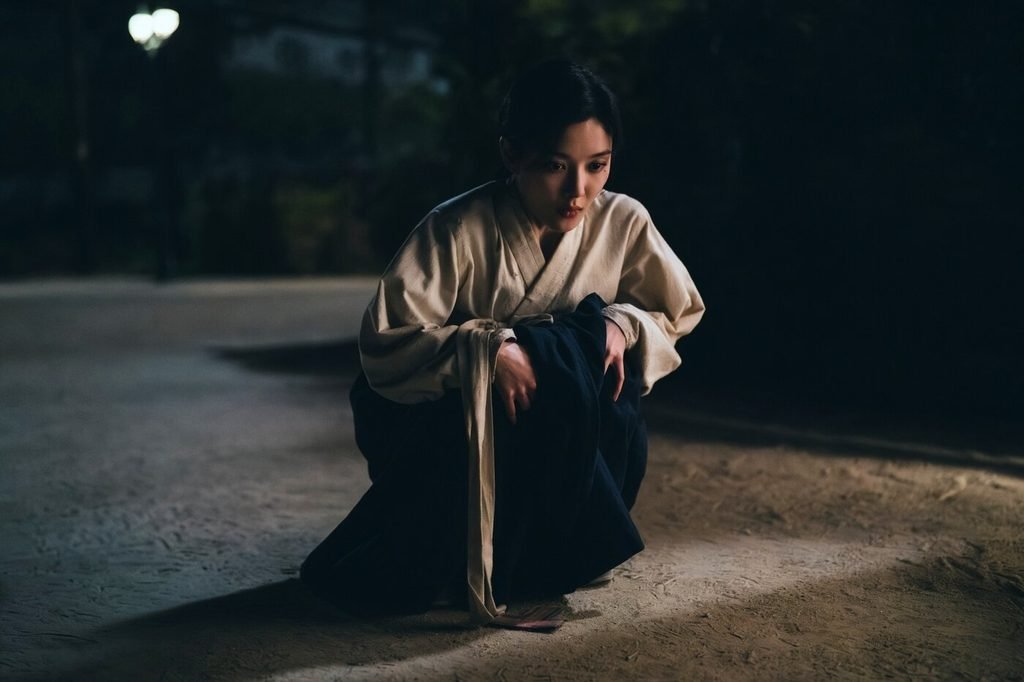
Ga-kyeong’s starting point is personal freedom. The broader premise offers her a limited undercover assignment, while the independence movement’s aims reach far beyond her individual future.
For me, that tension is the interesting part. Someone can want safety without yet being ready to risk everything for a cause. A story can then ask what changes when that person meets the people already taking those risks.
Her talent for deception makes the recruitment understandable. Reading people, improvising and passing unnoticed have obvious narrative value in an infiltration story. That is my reading of the premise, not a historical recruitment claim.
So-ran approaches the conflict from a different position: her plot is bound to revenge and an existing commitment to resistance. The women do not need identical motives to become involved in the same operation.
The drama uses their differences to explore several responses to the same oppressive conditions.
The real history extends beyond this one mission
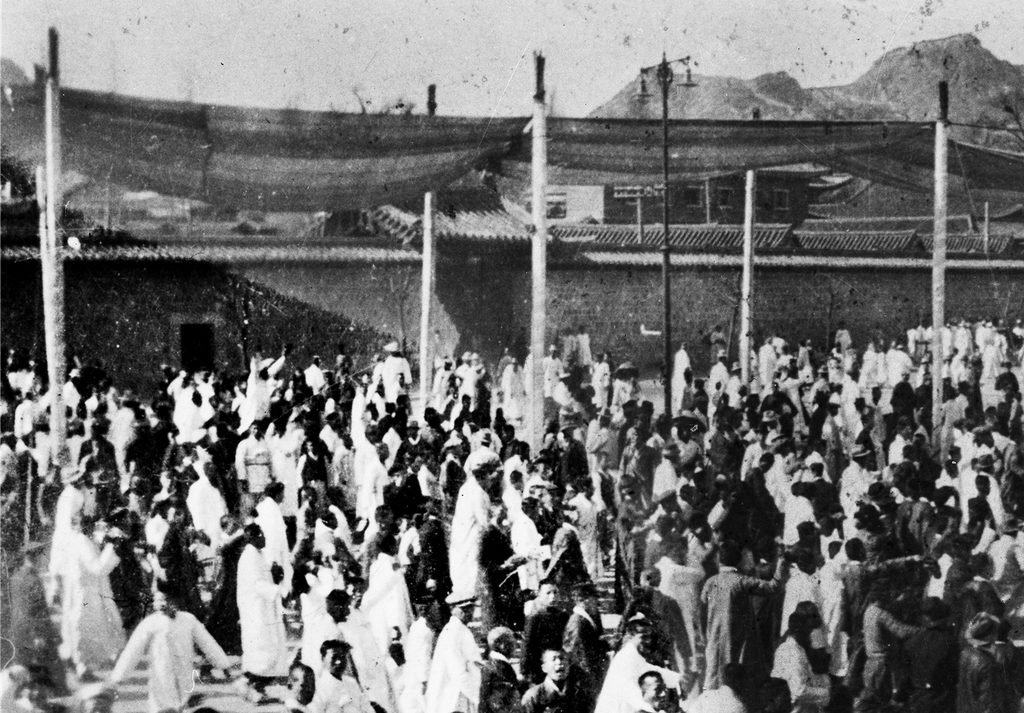
There is a substantial 100 Days of Deception real history connection at the level of occupation and resistance. It should not be narrowed to the question of whether Ga-kyeong existed.
The March 1st Movement began in 1919 and spread across Korea. By the drama’s 1932 setting, resistance already had a long history. Independence was not an idea invented by the characters.
A documented event from 1932 provides perspective. Yun Bong-gil carried out a bombing at Shanghai’s Hongkou Park on April 29. The Independence Hall of Korea preserves a contemporary record concerning Koreans in Shanghai after the attack.
That was a real incident involving a named historical activist in a documented location. It is not evidence that the drama’s dinner operation recreates his actions.
Likewise, So-ran’s organization, Gugukdan, should not automatically be equated with a particular historical group. A resistance label and a shared era do not establish matching membership, leadership or operations.
What is the story’s confirmed inspiration?
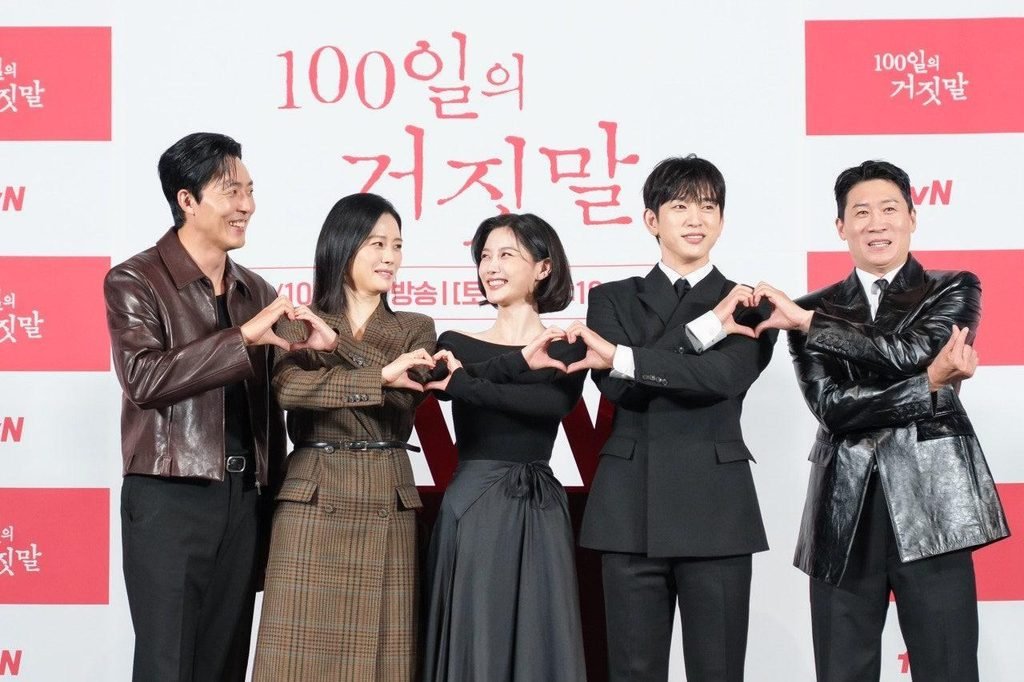
The clearest 100 Days of Deception story inspiration is Korea’s independence struggle and the human choices it created. A specific true-life source for the central couple has not been identified in the production material reviewed.
The series is written by Ryu Bo-ri. At the production press conference, the cast discussed honoring independence activists during the first script reading. Director Yoo In-shik also described the challenge of recreating the period’s surroundings.
That commitment to historical memory does not establish that the principal characters are portraits of particular activists.
I checked the official synopsis again because this distinction is easy to miss: historical setting, historical research and biographical adaptation are separate claims. The first can be confirmed without the third being true.
For another example of checking what actually sits behind a drama, our Take Charge of My Heart source-material guide examines its adaptation background.
Why false names and interpreting carry extra meaning
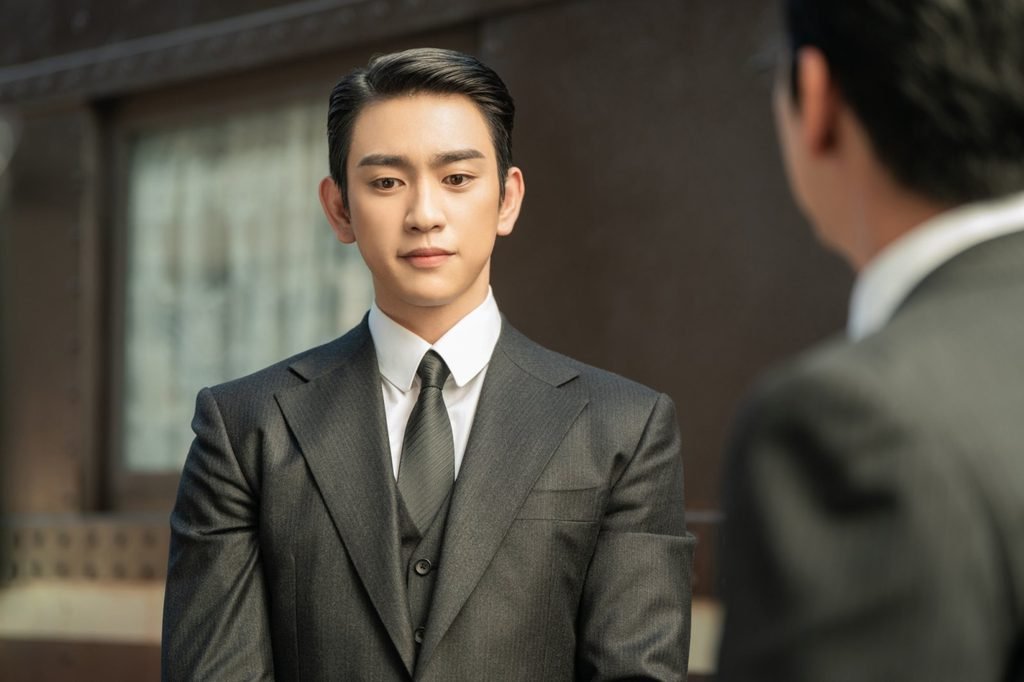
The leads’ identities give the romance a problem before either person can be honest about their feelings.
An interpreter is supposed to convey meaning accurately. An undercover agent survives by controlling what other people understand. Placing those roles together makes language part of the suspense: understanding somebody’s words does not guarantee understanding their intentions.
My interpretation is that the title works on two levels. Deception is a practical method for carrying out the assignment, but it also complicates intimacy. Affection becomes harder to trust when a name, job or family connection may conceal something.
That does not prove a particular hidden allegiance or future betrayal. Those questions belong to the unfolding drama.
It does explain why the historical setting contributes more than costumes. The characters’ ability to speak freely is tied to power, identity and danger. The romance has to develop inside those restrictions.
Does “100 days” mean independence is about to arrive?
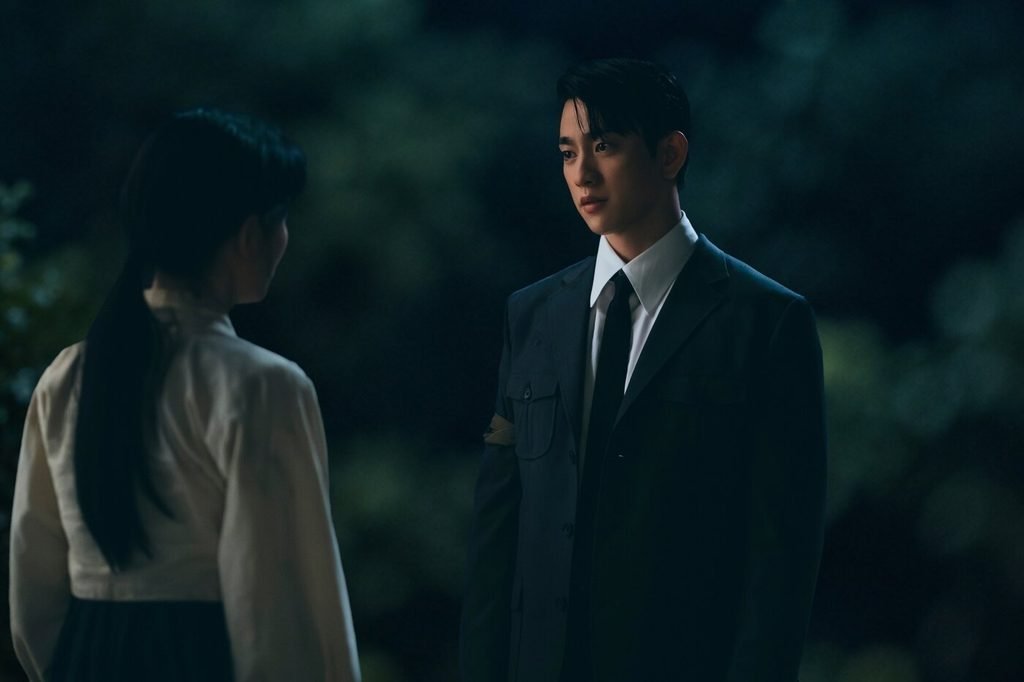
No. The hundred days describe the central mission’s time frame, not the remaining length of Japanese rule.
The story begins in 1932. Korea’s liberation came in 1945. Those dates rule out reading the title as a literal countdown to national independence.
Nor can the historical timeline tell us whether the fictional couple survives or stays together. A period drama may follow invented lives through real political conditions without giving those lives predetermined outcomes.
This is the most useful way to approach the 100 Days of Deception true story question: let historical evidence explain the world, and let the episodes establish what happens to the characters.
Frequently asked questions
Is Lee Ga-kyeong based on a real Korean spy?
No specific real-life counterpart has been confirmed in the production information reviewed. Her pickpocket background, undercover identity and relationship should be understood as elements of the fictional story.
Was the Japanese Government-General of Korea real?
Yes. It was the institution through which Japan administered colonial Korea. Its existence is historical, even though the drama’s particular infiltration plot is fictional.
Are Kim Tae-woong and Sato Hideo the same person?
Yes. Both names refer to Park Jin-young’s character, an interpreter and Sato Shinichi’s adopted son. They are not separate men or a real-person/fictional-person pairing.
Where can I watch 100 Days of Deception?
The series airs on tvN and has an official Netflix listing. Episode availability can vary by country, so the listing in your region is the best guide to what you can stream.
Which detail made you suspect the drama was based on real events? And what do you think Ga-kyeong’s borrowed identity will cost her? Share your reading and theories in the comments.