The Remarried Empress Drama vs Webtoon: Changes So Far
Written by Huzaifa
Quick verdict: The Remarried Empress drama vs webtoon comparison is still a pre-release one as of November 1, 2026. The adaptation preserves Navier’s divorce-and-remarriage premise, while translating the illustrated world into a ten-episode production. Promotional footage reveals its approach to romance; specific cuts, reordered chapters, and ending changes remain unconfirmed.
That distinction matters. I’m interested in what this adaptation does differently, but a trailer putting two scenes next to each other doesn’t prove they happen in that order. And a character missing from one poster hasn’t automatically been deleted.
My position so far: copying every panel matters less than preserving the reasons Navier makes her decisions. Give me a convincing empress with something to lose, and I can handle a different visual interpretation.
Spoilers ahead: the central marriage breakdown, early character dynamics, and a fantasy detail about Heinrey. No drama-ending spoilers.
The Remarried Empress drama vs webtoon at a glance
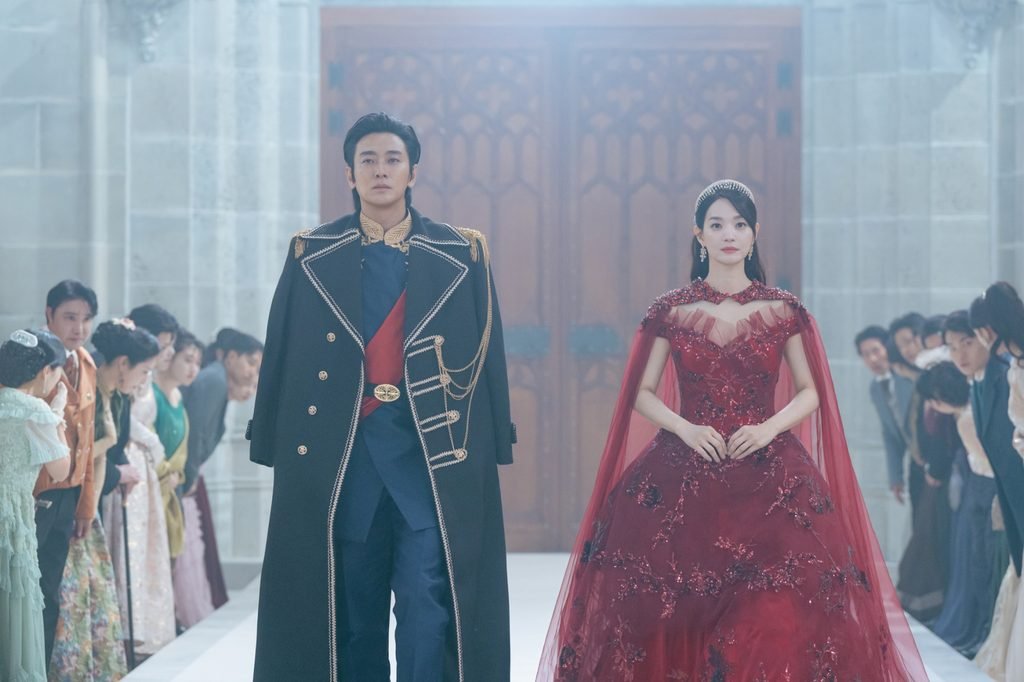
The streaming launch is November 4, with four episodes arriving together. Two more follow each week through November 25, making ten episodes altogether. Disney+ and Hulu are the announced platforms; availability depends on your country.
The series was also selected for Busan’s On Screen programme before its streaming release. That earlier festival exposure doesn’t make a complete episode-by-episode comparison available here. This assessment uses the released promotional material and source information.
| What readers want to compare | What we can establish so far | What remains unconfirmed |
|---|---|---|
| Central story | Navier’s marriage to Sovieshu breaks down, and Heinrey becomes her new partner | How individual scenes are rewritten |
| Presentation | Actors, costumes, sets, music, and editing replace illustrated panels | Whether those choices consistently capture the comic’s atmosphere |
| Pacing | The drama has ten episodes | Which subplots are shortened or combined |
| Romance | Promotions foreground the three relationships among the four leads | Whether the full series changes their emotional balance |
| Heinrey’s secret | Recent promotion references his “Queen” identity | How extensively the fantasy mechanics are explained |
| Ending | No changed ending is established by the material assessed here | The adaptation’s final stopping point |
The original story already passed through one adaptation
The Remarried Empress original story is Alphatart’s web novel. The comic credits HereLee for adaptation and SUMPUL for artwork. Disney markets the live-action series as an adaptation of the NAVER WEBTOON.
So there are three storytelling forms involved, not two interchangeable copies and a television version.
Prose can explain a thought directly. Comics can place that thought beside an expression, then make you scroll through the silence before someone answers. Screen storytelling controls the duration of that silence and adds a voice, a score, and another actor’s reaction.
Those choices can make the same event feel different without changing what happens.
That’s why I’d separate The Remarried Empress adaptation differences into events, motivation, and presentation. A different costume belongs in one category. Giving a character a different reason to betray someone belongs in another—and would matter much more to me.
If the editions are getting tangled, our novel, webtoon, and drama source guide explains which version you’re actually reading.
The biggest immediate debate is visual fidelity
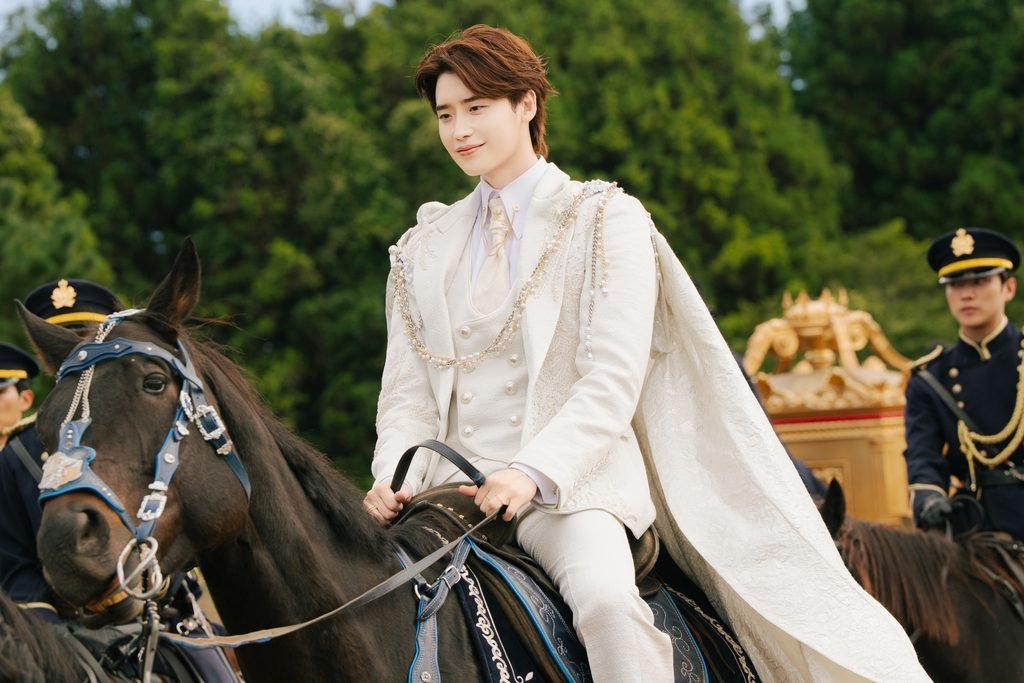
The adaptation has Shin Min Ah as Navier, Ju Ji Hoon as Sovieshu, Lee Jong Suk as Heinrey, and Lee Se Young as Rashta. Those performances will inevitably become a new interpretation of characters readers already picture very specifically.
The August trailer discussion on r/webtoons makes that attachment obvious. Some readers wanted hair colours closer to the comic’s designs. Others defended the casting or said the moving trailer sold them more effectively than a still image did.
I understand both reactions. Character design helps a fantasy world feel distinct, and readers aren’t being ridiculous for caring about it. But resemblance and characterisation are separate tests.
My test for Shin Min Ah’s Navier is whether composure feels like a deliberate effort. For Lee Jong Suk’s Heinrey, it’s whether charm leaves room for calculation. Neither question can be settled by matching a hairstyle.
For The Remarried Empress drama vs webtoon, visual differences are the easiest to debate before release. They’re also the easiest to mistake for evidence that the whole character has changed.
The romance is front and centre—but that isn’t a confirmed rewrite
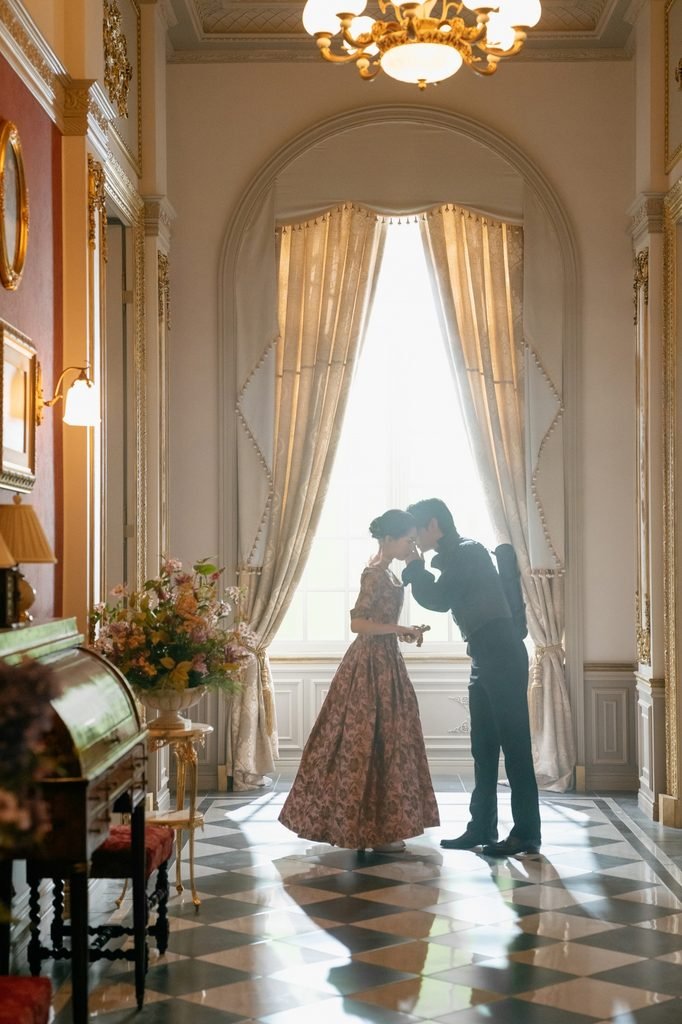
The October 28 promotional video gives us something more useful than another cast announcement: a clear emphasis on the relationships between Navier and Sovieshu, Sovieshu and Rashta, and Navier and Heinrey.
It contrasts Sovieshu’s promise to Navier with his attraction to Rashta. Heinrey, meanwhile, openly suggests a handsome, powerful lover as a way for Navier to retaliate.
That’s a very marketable invitation to enjoy the mess.
But it doesn’t prove the drama has turned Navier’s entire remarriage into a revenge scheme. A flirtatious suggestion from Heinrey establishes what he says in that moment, not the full explanation for her eventual choice.
This is where I want the adaptation to be careful. Making an ex jealous can produce a delicious scene. Building a future with someone requires more than an audience waiting for the ex’s reaction.
My reading of the marketing is that romantic confrontation is the hook. Whether the episodes give equal weight to Navier’s position, judgment, and independence is still the more interesting question.
Ten episodes change the format, not automatically the plot
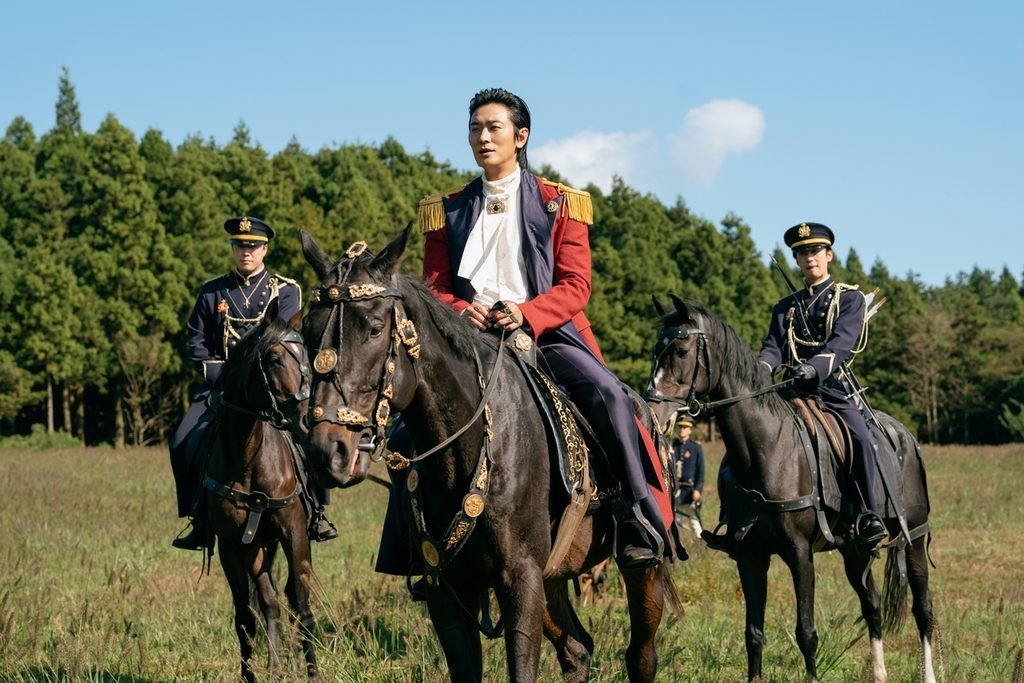
Ten television episodes and a long-running comic plainly organise their storytelling differently. What we cannot do yet is turn that fact into a list of supposedly deleted arcs.
A drama can condense repeated confrontations, communicate information through performance, or combine the work of several conversations into one scene. It can also choose to adapt only part of a longer story. None of those possibilities tells us the actual chapter coverage here.
I’d welcome tighter pacing if each confrontation changes something: who knows a secret, who has influence, or whom Navier can trust. Repeating the same humiliation without changing the stakes would wear me down quickly.
The fair counterpoint is that compression can remove the small moments that make a relationship believable. An efficient plot isn’t much comfort if Navier and Heinrey jump from attraction to devotion without earning the trust between them.
So the ten-episode format is confirmed. “They rushed the romance” is a judgment the episodes still have to earn.
Has the drama removed Heinrey’s bird storyline?
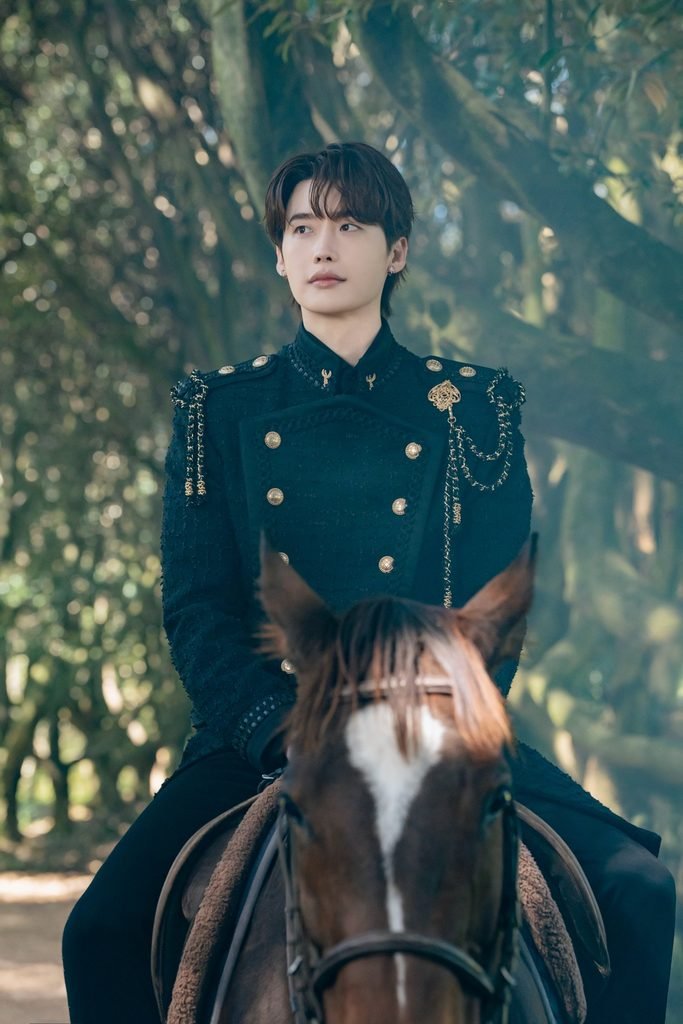
That claim is premature.
In the August r/webtoons trailer thread, one commenter suspected the bird element had been dropped. Another pointed to a bird appearing in the teaser, and the discussion immediately became less certain. That exchange captures how quickly an impression can become an alleged adaptation change.
The later October 28 preview is more useful evidence: its coverage explicitly identifies a note from “Queen” as connected to Heinrey’s other identity.
That supports the presence of the identity thread. It does not establish how much transformation footage appears, how the effects look across the series, or how closely every related scene follows the comic.
For this part of The Remarried Empress drama vs webtoon, I’d keep two questions separate: has the idea survived, and has its execution worked? The promotional evidence helps with the first. We still need the episodes for the second.
Rashta’s treatment could matter more than any costume change
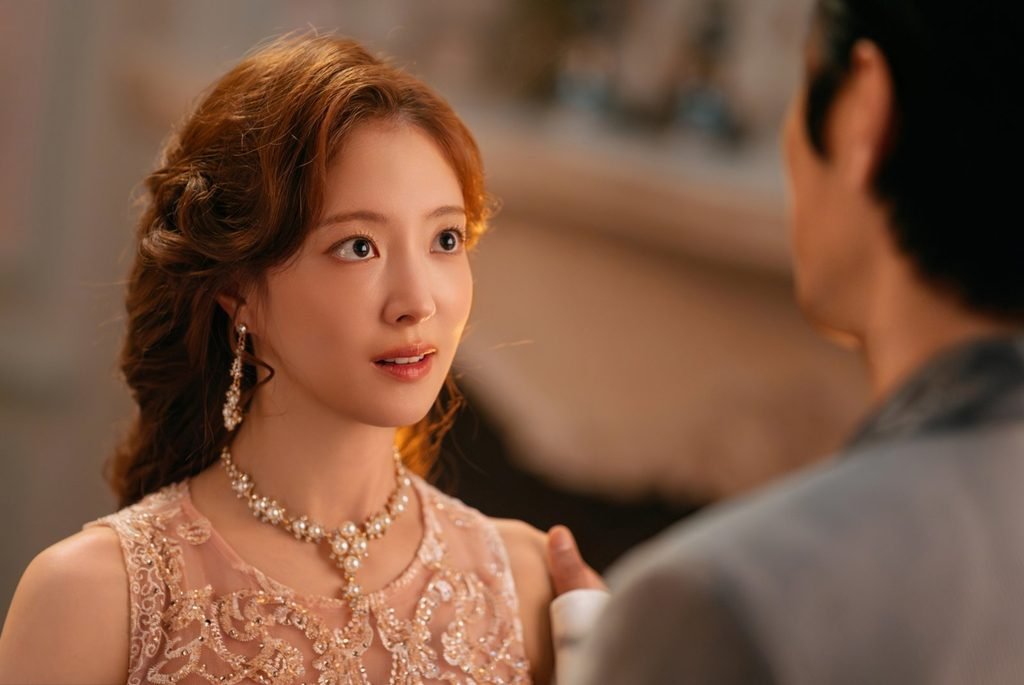
The September poster discussion on r/OtomeIsekai wasn’t simply a celebration of attractive casting. Some commenters were excited about the actors while strongly criticising the source story’s treatment of class and women. Others were interested enough to try the adaptation despite having dropped the comic.
Those are reactions from particular threads, not a verdict from the entire fandom. Still, they identify a real adaptation challenge.
Rashta enters the premise as a woman who has escaped slavery. Sovieshu is an emperor. Their relationship carries an imbalance of power before jealousy enters the conversation.
The October supporting-cast preview also confirms that her past remains part of the drama: Park Ho San plays Viscount Lotteshu, her former master, whose knowledge threatens her new life.
That gives the screen version material to work with. It doesn’t prove Rashta has been made more sympathetic, but it does mean her circumstances haven’t disappeared from the promotional setup.
I can root for Navier and still want Rashta’s fear to make sense. Letting us understand someone shouldn’t require pretending they never hurt anybody.
The Remarried Empress legal reading guide: where to start
For an official English comic, start with The Remarried Empress on WEBTOON. Its credits distinguish the original author, adapter, and artist, and the main series is marked completed. The page also points readers toward the separate spin-off.
Check the app and current access terms before assuming every episode is freely available in a browser.
If you specifically want The Remarried Empress web novel, remember that the linked WEBTOON edition is the illustrated adaptation. A comic episode number is not a prose chapter number, and neither gives you a reliable television-episode match.
Pick the webtoon first if you want to establish your own visual reference and compare the screen version against it. Pick the drama first if you’d rather meet the characters through performances without knowing later developments.
My The Remarried Empress drama vs webtoon verdict remains cautiously interested: the central premise survives, the format changes, and the promotions invite us to focus on romantic conflict. The meaningful test will be whether Navier’s decisions retain their weight when the beautiful images start moving.
Which would bother you more: changing the characters’ visual designs, or keeping the famous scenes while changing why Navier makes her choices?