Love in Disguise Novel vs K-Drama: Original Story, Differences & Ending Status
Written by Huzaifa
A completed book does not mean a completed television mystery. That distinction matters if you searched for the Love in Disguise novel hoping to learn who killed the secretary, when Jae-hee’s cover collapses, or whether the couple gets a happy ending. There are three versions to separate—and their endings cannot simply be treated as interchangeable.
Quick Answer: Love in Disguise adapts the Korean web novel 여자인 걸 왜 모르지? by Lee A-hyun and Ryu Do-ha, which also became a webtoon. The source stories are complete, but the drama is still airing. Title and company-name changes are verifiable; a matching television ending is not yet confirmed.
Spoiler scope: This comparison discusses the original premise, drama developments through episode four, and the announced novel side story. As of November 1, 2026, the television finale has not aired. The novel’s final scenes could not be independently verified, so no killer reveal or romantic outcome is presented as fact.
Which book is actually the original?
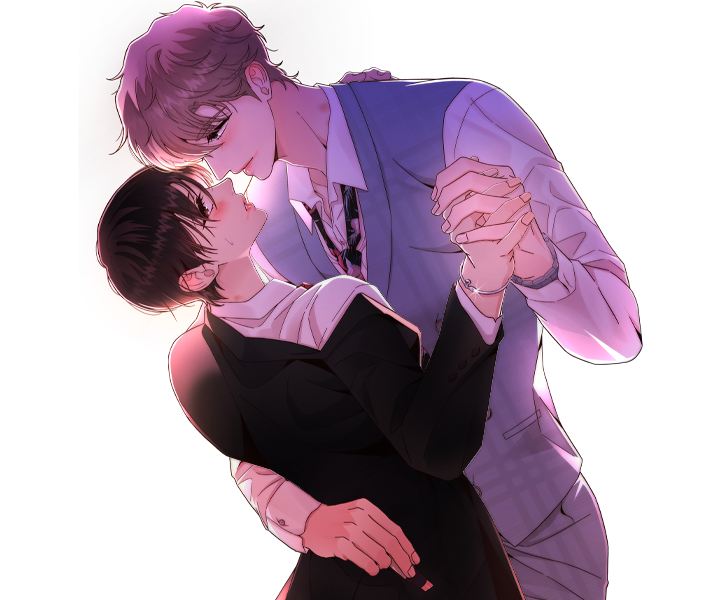
The source title is 여자인 걸 왜 모르지?, commonly rendered in English as Why Don’t You Know She’s a Woman? Its authors are Lee A-hyun (이아현) and Ryu Do-ha (류도하).
If you are searching for the “why don’t you know she’s a woman novel,” those Korean names are useful identifiers. An unrelated English-language romance called Love in Disguise is not automatically the book behind this drama.
The Love in Disguise original story started as a web novel. Kakao Entertainment identifies its original serialization as running from 2020 to 2022, followed by the webtoon from 2022 to 2025. Both completed their original runs.
The comic credits One Punch Rabbit (원펀치래빗) alongside the original writers. Searches for “Love in Disguise manhwa” and “Love in Disguise webtoon” therefore concern the illustrated adaptation, rather than a separate prose sequel.
I checked the Korean author credits against the book listing because English spellings vary across coverage. Matching the actual creators is much more useful than trusting whichever translated title appears first.
What the novel establishes before the romance complicates it
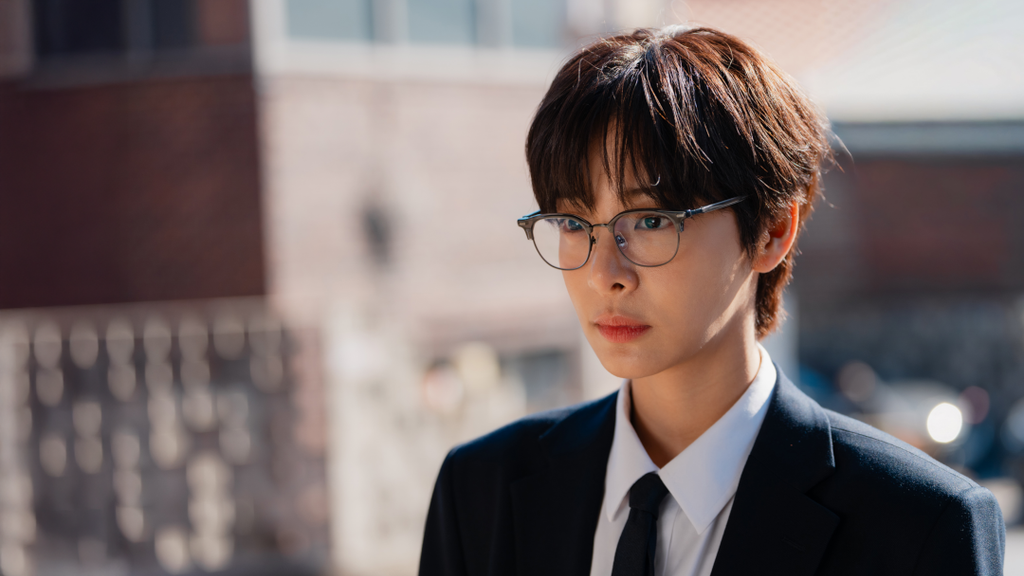
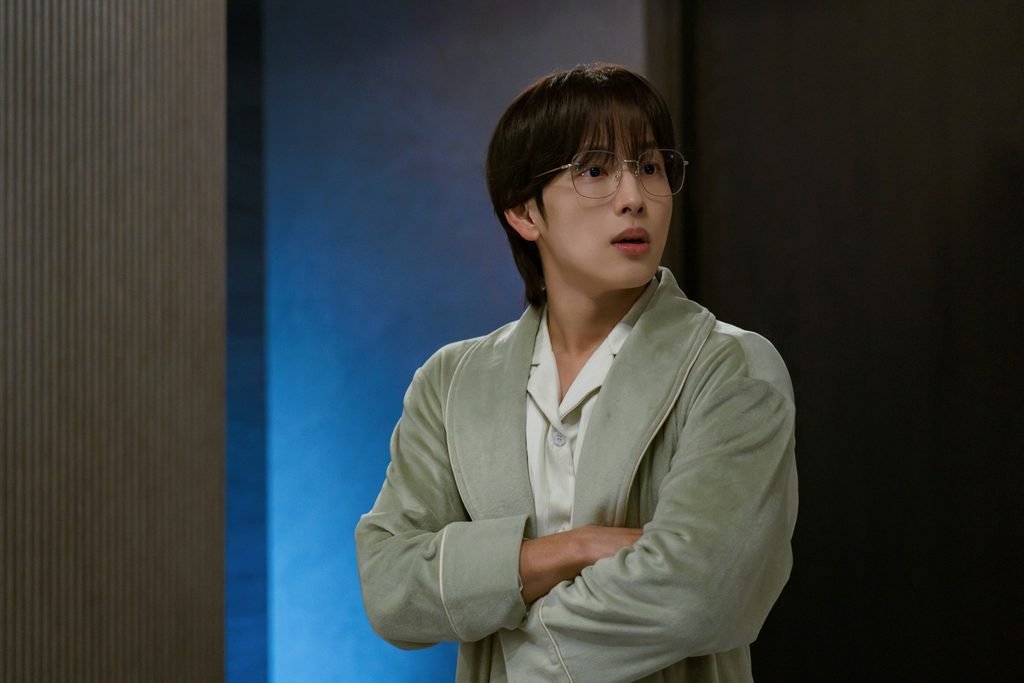
Kang Jae-hee has a special forces background and now works as a police officer. Her assignment places her beside Yoon Yi-jun, a wealthy third-generation heir suspected of murder.
The novel’s published description gives her a three-month undercover assignment as his personal secretary. It also openly advertises his developing romantic interest. That attraction is part of the original setup, not evidence that television invented the romantic comedy around an otherwise straight crime story.
For me, the interesting conflict is the mismatch between their reasons for spending time together. Jae-hee has a professional objective. Yi-jun’s interest makes that access personal.
That creates an uncomfortable question before any identity reveal: how can she respond honestly while concealing why she is there?
A secretary can leave an awkward conversation. An undercover investigator may need to stay, keep the suspect talking, and remember exactly what was said. The same interaction can therefore serve the romance and the case differently. That is my reading of the premise, rather than a claim about an unverified later chapter.
Love in Disguise novel vs drama: the confirmed differences
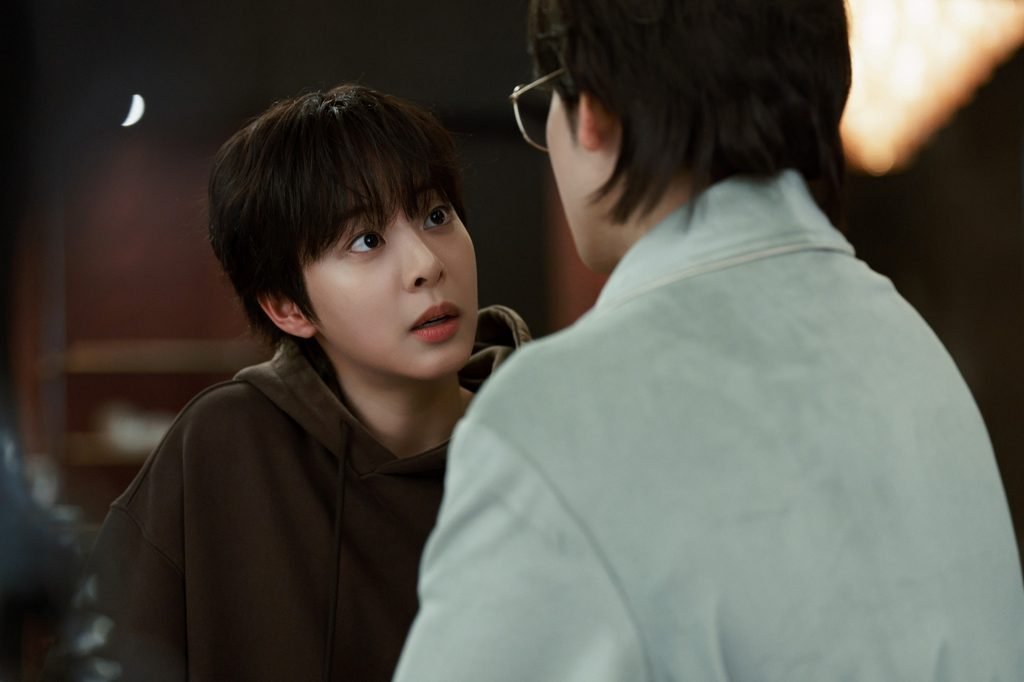
The comparison is clearest when changes are separated from shared foundations.
| Detail | Original source | Television adaptation |
|---|---|---|
| Title | 여자인 걸 왜 모르지? | Love in Disguise; Korean title 나의 유죄인간 |
| Yi-jun’s company | Samgang Group in the source material | Taegang Group, also written Taekang |
| Central pairing | Kang Jae-hee and Yoon Yi-jun | The same central characters, played by Seol In-ah and Yim Si-wan |
| Undercover relationship | Investigator working close to a murder suspect | Undercover premise kept, adapted into a male-only secretary setup |
| Completion | Original novel and webtoon runs complete | Still airing at the time of this comparison |
| Final outcome | Requires verification from the concluding source chapters | Cannot yet be compared with an aired finale |
The company-name change is small but helpful. Encountering Samgang in the book and Taegang on screen does not mean you found the wrong story.
Larger claims need stronger evidence. The available material does not establish that television changed the murderer, deleted a particular relationship, or moved a reveal from one exact chapter to another.
Likewise, the novel’s advertised three-month assignment does not prove that the drama uses a different timeline. An omitted detail in a synopsis is not automatically an adaptation change.
The early mystery, in order: why Jae-hee’s suspicions shift

Drama spoilers through episode four.
The released episode descriptions establish this progression:
- The investigation hits an obstacle. Yi-jun is suspected in his secretary’s murder, but the company’s influence and insufficient evidence obstruct progress.
- Jae-hee gains access. She applies as a male secretary and gets the position. Being hired does not mean Yi-jun trusts her.
- The missing phone becomes a target. She searches for it while trying to enter a restricted room.
- A second danger emerges. Suspicious milk suggests someone may be targeting Yi-jun himself.
- The evidence becomes more specific. By episode four, investigators identify herbicide in the milk. Jae-hee watches Yoon Na-jung and accompanies Yi-jun to a tense family dinner.
These are verified television beats, not a scene-for-scene reconstruction of the novel.
The distinction matters: a clue appearing on screen only becomes a confirmed adaptation difference once the corresponding source passage has been checked. Otherwise, we know what television shows, but not what it changed.
Does the milk clue prove Yi-jun is innocent?
No. It gives the investigators another possibility to examine.
My interpretation is that this development widens the question from “What did Yi-jun do?” to “What is happening around Yi-jun?” Someone threatening him could affect the original case, but the connection still needs evidence.
Being a target does not, by itself, establish innocence in another crime. Nor does secrecy establish guilt. That is why the missing phone matters more to the investigation than whether a romantic exchange makes him seem sympathetic.
The restricted room also works on two levels. Literally, it is an obstacle to Jae-hee’s search. As a reading of the story’s imagery, it represents the limits of her access: she can stand beside him every day and still lack the information she needs.
I would resist calling that confirmed finale foreshadowing. A locked space can build suspense without every object inside becoming a promise about the ending. The payoff has to earn that interpretation.
Why discovering her identity would not resolve everything

Jae-hee’s disguise involves more than her presentation as a man. Her employment also conceals an investigation.
Those secrets create different questions. Learning who she is would not necessarily tell Yi-jun which conversations were sincere, what information she passed on, or when her feelings became personal.
That is where I think the relationship has its strongest dramatic potential. A reveal could end the practical disguise while leaving the emotional consequences unresolved.
The title change offers an interesting lens here. The source’s question foregrounds the unrecognized woman. Love in Disguise draws attention to concealed affection, while My Guilty Human, a rendering of the Korean drama title, invites associations with accusation and emotional responsibility.
That is interpretation, not an official explanation from the writers. The word “guilty” in a title is certainly not sufficient evidence to name the murderer.
For a satisfying resolution, I would want the investigation and relationship to answer their own questions. A confession of love cannot substitute for an explanation of the crime.
What can we honestly say about the novel ending?
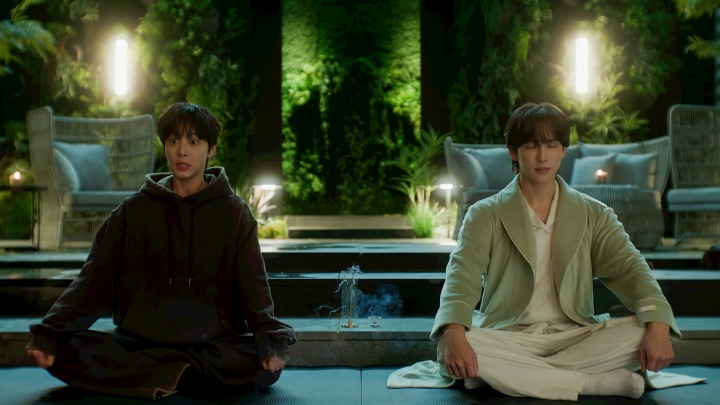
The Love in Disguise novel ending exists within a completed source story. However, completion status alone does not establish its contents.
I could verify the original publication history and the publisher’s description of additional material. I could not verify the concluding chapters closely enough to identify the killer, describe a final confrontation, or promise marriage and a happy ending.
That means this is not a scene-by-scene explanation of the book’s finale. Presenting one without the text would turn a source comparison into invented spoilers.
There is also no basis yet for saying the television version “changed the ending.” That comparison needs two verified endpoints.
A source spoiler might eventually help explain an adaptation choice. Until then, it remains information about one version. Even a completely accurate novel summary would not guarantee that the television characters make the same choices in the same order.
The new side story is separate from the television finale
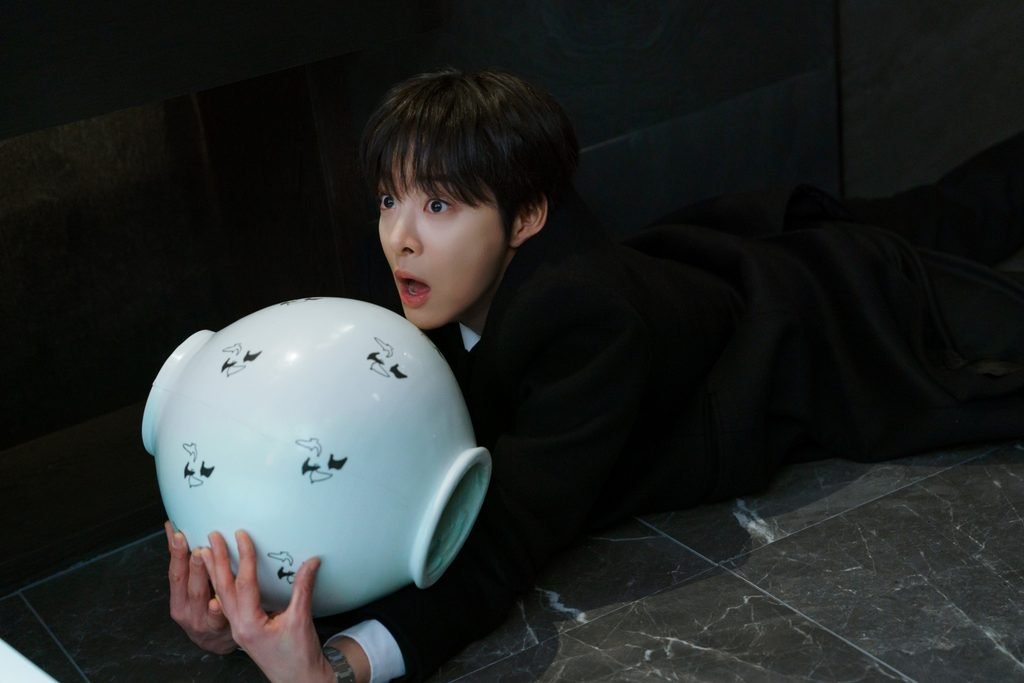
Kakao announced 12 special web-novel installments alongside the drama’s October launch. Their premise sends Jae-hee undercover again, this time investigating a cult that confines and exploits women.
I went back to the publisher’s announcement to check the format: those twelve installments belong to the novel. They should not be mistaken for twelve additional television episodes or a second-season announcement.
The new premise gives readers another investigation featuring Jae-hee. It does not, on its own, disclose the main novel’s final romantic scene or establish how television will close the murder case.
For the reading options and format distinctions, see DaebakDaily’s Love in Disguise webtoon and original-story guide. The Love in Disguise web novel and its comic adaptation should be selected separately when browsing Korean listings.
To follow the released screen version, use the official Prime Video series page, subject to availability in your region.
Questions about the source and ending
Is Love in Disguise based on a novel or a webtoon?
Its source history begins with Lee A-hyun and Ryu Do-ha’s web novel, 여자인 걸 왜 모르지? There is also a webtoon adaptation credited to One Punch Rabbit and the original writers.
Does the Love in Disguise novel have a happy ending?
The novel is complete, but its precise romantic outcome was not independently verified for this comparison. A happy-ending promise would therefore go beyond the evidence available here.
Are the novel and drama endings the same?
That cannot yet be established. The television adaptation is still airing, and this article does not claim to have verified the source’s concluding scenes.
Which novel chapter should I read after episode four?
No reliable episode-to-chapter match was established. Start with the source’s opening if you want to compare its setup without relying on an unverified chapter number.
What do you think the threat against Yi-jun means for the original murder investigation? Share your theory in the comments—and label any novel or webtoon spoilers so viewers can decide whether to read them.