Love in Disguise Review: Is This K-Drama Worth Watching? My 8.5/10 Verdict
Written by Huzaifa
A rich boss with a difficult personality needs more than a good suit to win me over. Give him a secretary who can physically overpower him, has reasons to distrust him, and is secretly investigating a murder, though? Now there is something to work with. This Love in Disguise review comes down to how well that uneasy partnership holds together.
Spoiler-Free Verdict: Is Love in Disguise Worth Watching?
Yes—Love in Disguise is worth watching for Yim Si-wan and Seol In-ah’s combative chemistry, playful role reversals, and undercover-romance tension. The opening episodes make a strong case for an 8.5/10, although the murder investigation is less convincing than the central relationship. Choose it for romantic comedy with danger, rather than procedural realism.
Review scope: This is a spoiler-free assessment of the opening four episodes of the 2026 K-drama. The series is still airing, so the 8.5/10 is an early-run rating. No later reveals, murderer identities, or ending outcomes are discussed.
The Setup: Investigating Your Boss Is a Terrible Foundation for Romance

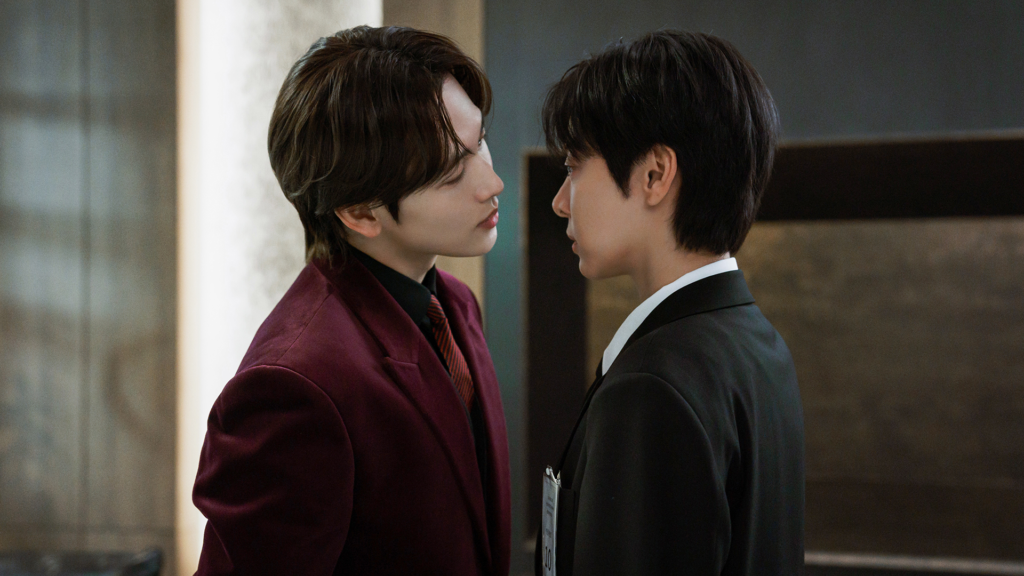
Yoon Yi-jun, heir to the powerful Taekang Group, becomes a suspect in the murder of his secretary. Investigating someone with that much corporate protection is difficult. Detective Kang Jae-hee, a former special forces soldier, takes an unconventional route: she poses as a man and becomes his new personal secretary.
Her assignment is to get close enough to uncover the truth. Unfortunately, closeness is also the thing that makes a romance possible.
That double purpose gives the story its appeal. An ordinary workplace romance asks whether two colleagues will admit their feelings. Here, even a friendly interaction has another question attached: is somebody gathering information, testing a suspicion, or letting their guard slip?
The main Love in Disguise cast is:
| Actor | Character |
|---|---|
| Yim Si-wan | Yoon Yi-jun |
| Seol In-ah, also credited as Seorina | Kang Jae-hee |
| Kim Jung-hyun | Kim Si-hyun, Yi-jun’s friend and a Taekang lawyer |
| Yeonwoo | Lee Hye-jung, the chairman’s secretary |
The drama has a planned 12-episode run. Romance and comedy lead the mix, with a murder mystery and thriller elements supplying the danger.
What Works: The Leads Have Different Kinds of Power
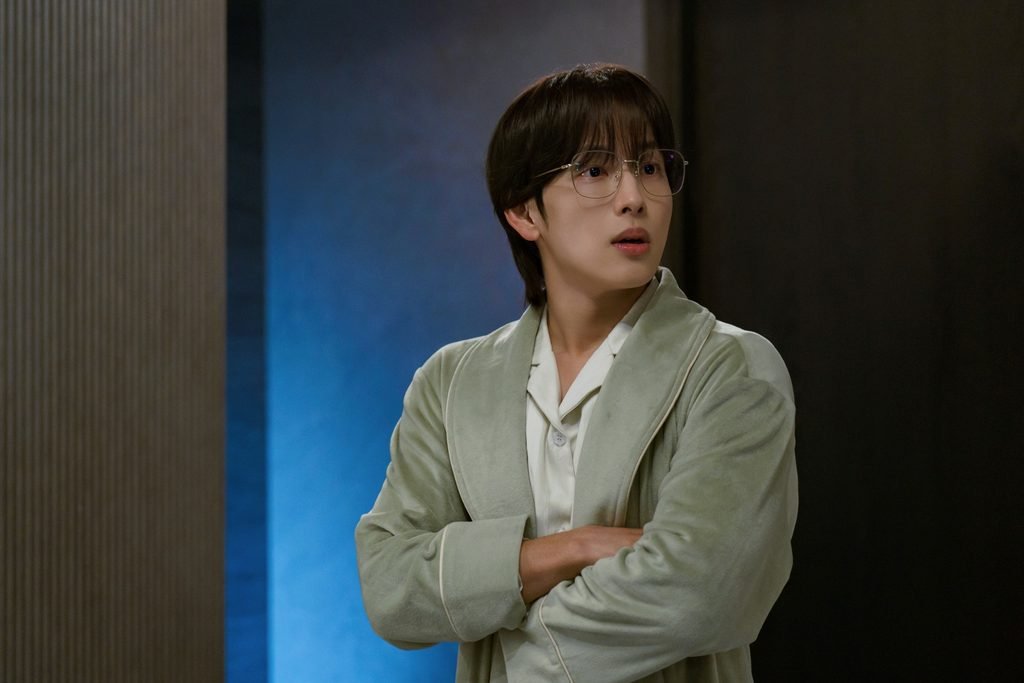
Yim Si-wan makes the difficult-boss role worth the trouble
Yi-jun could easily become exhausting. Being demanding, wealthy, and emotionally difficult is hardly a shortage category in K-drama casting.
The useful difference is how his position clashes with Jae-hee’s abilities. He has status and expects to control his surroundings. She has practical skills that money cannot simply replace. Their relationship creates situations in which being the boss does not automatically make him the most capable person present.
Yim Si-wan’s comic performance benefits from that imbalance. Yi-jun’s prickliness gives Jae-hee something to push against, and the character works best when his attempts to maintain authority become awkward. There is room to find him funny without accepting that every unreasonable demand is secretly romantic.
That distinction matters to me. A demanding male lead needs more than an eventual explanation for his behaviour. He needs someone opposite him who can resist it. Jae-hee supplies that resistance, which makes the pairing much easier to root for.
Seol In-ah gives Jae-hee an identity beyond the disguise
Jae-hee has a profession, physical confidence, and an objective before romance enters the picture. The disguise complicates those things; it does not create her entire personality.
Seol In-ah’s suitability for the action and comedy is a major reason the setup works. Jae-hee needs to appear capable enough to handle danger while still being vulnerable to the social mess of an undercover assignment. Those are different challenges, and the role gives her room for both.
I especially like the underlying contradiction: competence does not mean control. A person can be good at confronting a threat and still find it difficult to manage a conversation where the wrong answer could expose them.
That is much more interesting than making the heroine helpless whenever the romance needs attention.
Love in Disguise Acting and Chemistry: Why the Pairing Clicks

The central relationship has a built-in reason for sustained attention. Jae-hee must observe Yi-jun closely. Yi-jun does not make that easy. Their personalities keep rubbing against each other, giving the comedy a conflict to grow from.
For me, chemistry works best when the characters want something from each other besides a kiss. Information, cooperation, reassurance, respect: those smaller demands can make a relationship feel active long before anybody understands their feelings.
This pairing has that advantage. Even when the story uses familiar proximity and identity-confusion devices, there is a professional risk attached to the interaction. Getting comfortable could help Jae-hee’s assignment. It could also weaken her judgment.
The disguise adds another layer, but the romance cannot live on near-discovery jokes forever. The stronger question is whether these two can develop a connection that survives honest information. That is where the premise has emotional potential beyond its initial novelty.
My positive Love in Disguise review rests heavily on this: the relationship gives the series something worth following even when the investigation is not at its sharpest.
Love in Disguise Pacing: The Romance Moves More Easily Than the Case
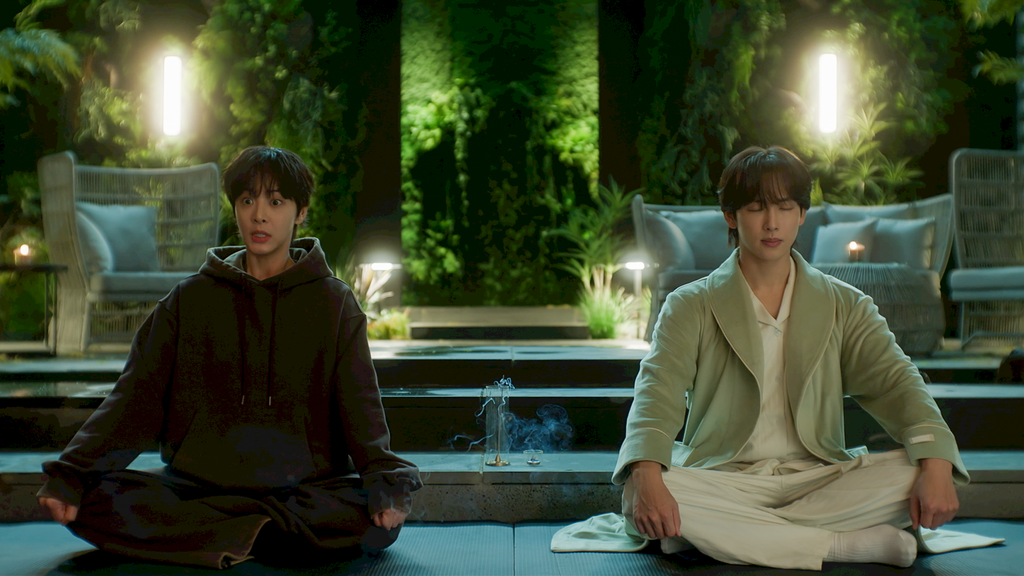
There are two different pacing questions here. How quickly does the show establish its unusual partnership? And how effectively does it develop the murder investigation?
The first is the stronger part of the opening run. Once Jae-hee enters Yi-jun’s daily life, the premise supplies repeated friction. The leads have conflicting goals, so spending time together does not require a fresh coincidence every episode.
The investigation has a harder job. It needs to deliver enough concrete progress to justify the attention demanded by the murder setup. Suspicion alone cannot keep a mystery satisfying indefinitely.
This is why “fast-paced” needs a little care as a description. An episode can contain plenty of jokes, confrontations, and awkward closeness while moving its central case forward only a small amount. Romantic momentum and investigative momentum are not interchangeable.
If you mainly want the pair’s relationship to develop, that balance is easier to accept. If you are watching to examine clues and test suspects, the same allocation of screen time may feel frustrating.
My practical recommendation is to give it two episodes. That provides a fairer sample of the undercover dynamic than judging it only on the work needed to establish the premise.
What Doesn’t Work: The Setup Asks for a Generous Suspension of Disbelief
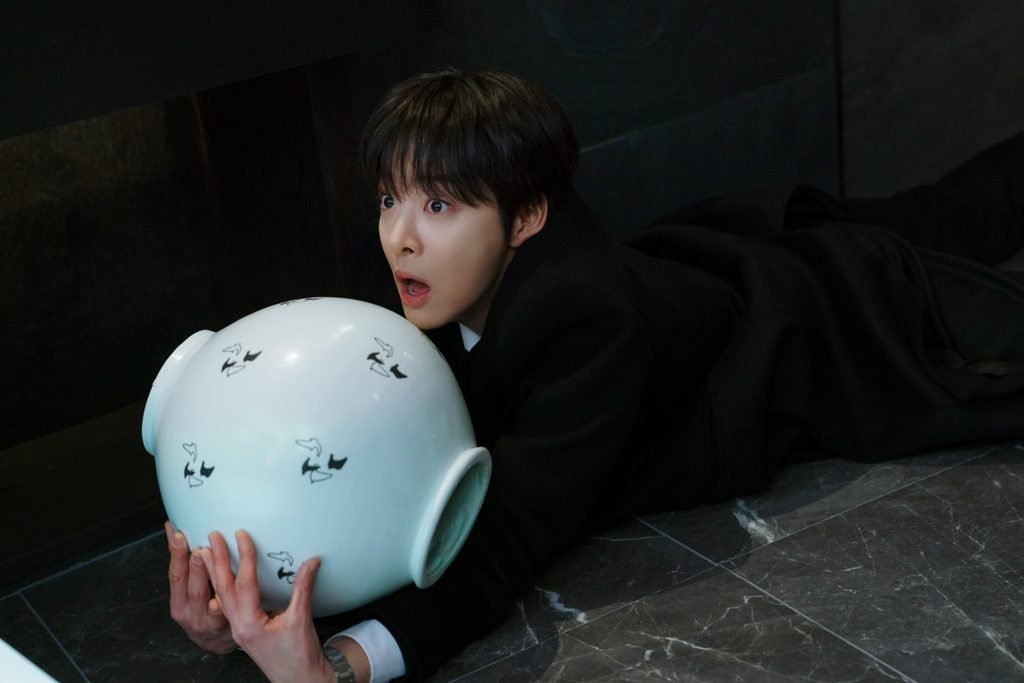
The undercover arrangement is the biggest leap. A detective becoming a murder suspect’s male secretary is an entertaining story device. It also invites obvious questions about recruitment, scrutiny, and how long such an operation could remain convincing.
I can accept the starting bargain. What matters afterward is consistency. A show should not make somebody observant in one scene and conveniently oblivious in another simply to preserve a joke.
There is also a tonal challenge that strong chemistry cannot erase. A murder gives the story serious stakes. Broad comedy asks the audience to relax. Moving between those modes takes care, especially when a romance encourages us to become fond of someone under investigation.
My reservation is less about mixing genres than about keeping both sides meaningful. The case should affect decisions and trust, not merely provide an excuse for the leads to share space. Likewise, Jae-hee’s professional purpose needs to remain visible as attraction develops.
The supporting story has a similar test ahead. Kim Jung-hyun and Yeonwoo give the ensemble recognizable appeal, but a secondary pairing earns its place by offering a different relationship dynamic. Simply adding another attractive couple would not be enough.
These are reasons to keep the score below a nine, and questions the remaining episodes can still answer.
Who It’s For—and Whether to Wait for the Ending

Try it if you enjoy: capable heroines, prickly male leads, hidden identities, workplace friction, and romance with an element of danger. Fans of comic role reversals have a particularly clear reason to give this one a chance.
Be more cautious if you want: realistic police work, a tightly constructed mystery above everything else, or a straightforward romance without deception. The central concept requires accepting some theatrical silliness.
For viewers who only start a romance after checking whether it ends happily, waiting makes sense. The drama is still airing. An early recommendation cannot guarantee a satisfying finale, and the existence of source material does not establish exactly how television will resolve it.
What would a strong ending need to do? Resolve the case coherently, give the deception emotional consequences, and let both leads make informed choices. Those are the standards I would apply when revisiting this rating.
If you are curious about the adaptation, DaebakDaily’s Love in Disguise novel-versus-drama explanation separates the versions and their ending status. That article discusses early plot developments, so save it until afterward if you want to enter completely fresh.
Final Rating: 8.5/10 for the Opening Run
The strongest argument for Love in Disguise is its central partnership. The casting supports a setup where the heroine’s strength and the hero’s authority keep pulling against each other. That creates a good foundation for comedy, attraction, and questions about trust.
The weaker argument is the investigation. It has to become more than the mechanism that introduces an entertaining couple. The disguise also needs consequences substantial enough to justify the attention it receives.
My Love in Disguise review lands at 8.5/10 for the opening four episodes: a warm recommendation for romance fans, with the finale and the mystery’s full payoff still ungraded. I would recommend starting it for the pairing while keeping expectations about crime-story realism modest.
You can watch the series on Prime Video’s official Love in Disguise page, subject to availability in your region.
What would you rate Love in Disguise so far—and is the romance or the murder mystery keeping you interested?