Dead End Job Review: Is It Worth Watching? My 7.5/10 Verdict
Written by Huzaifa
A ridiculous paycheck is a surprisingly effective horror villain. Before anything supernatural happens in Dead-End Job, the offer itself creates the tension: you know there must be a catch, but you can also understand why someone would accept it. That uncomfortable overlap between terrible judgment and genuine desperation gives this drama its bite. My Dead End Job review comes with a recommendation, though the reasons to press play are stronger than the reasons to call it a masterpiece.
Spoiler-free verdict: Is Dead-End Job worth watching?
Yes, Dead-End Job is worth watching if you enjoy supernatural mysteries, dark comedy, and survival stories with an anxious, believable lead. Lee Jae-wook and Kim Min-ha give its strange assignments a human center. Uneven creature effects and a less satisfying overall payoff hold it back, but it earns 7.5/10.
This review keeps character outcomes, major revelations, and the final scene unspoiled. The ending discussion covers satisfaction and closure only.
The premise: a paycheck with conditions you really should read
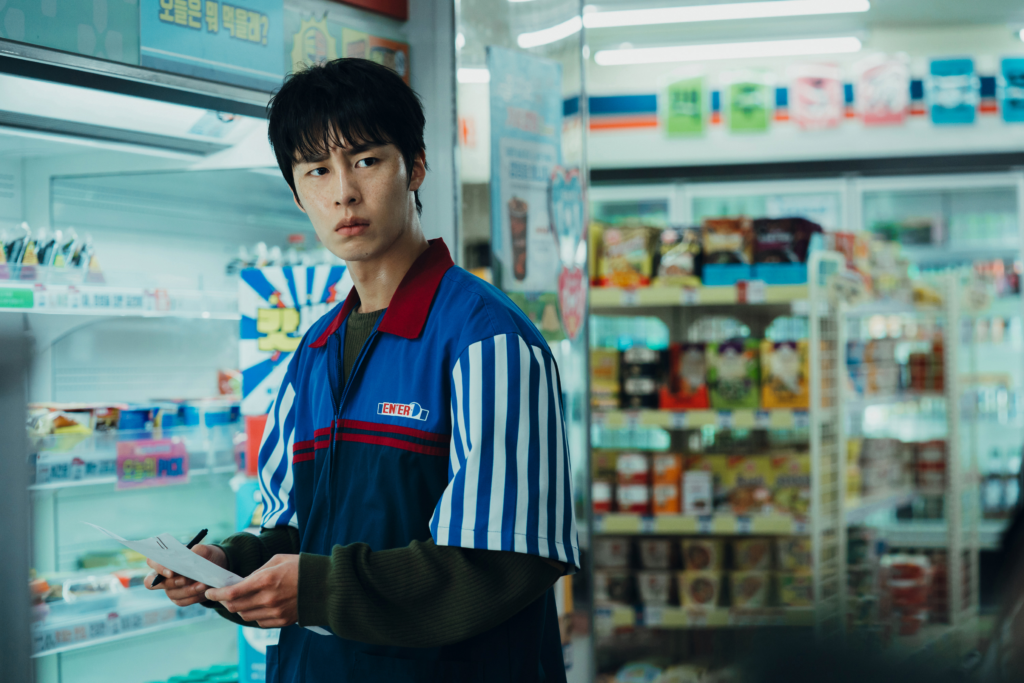
Byeon Hyeok-jun, played by Lee Jae-wook, needs money badly enough to consider an offer from the mysterious Spider Staffing Agency. Its temporary jobs start at fifty times the minimum hourly wage. Mr. S, the agency’s boss, has a condition: employees must never reveal what happens at work.
That becomes a much bigger request than ordinary workplace confidentiality.
The opening convenience-store assignment establishes the setup, and subsequent jobs take the story into different spaces with different dangers. Around Hyeok-jun are his younger sister, Byeon Ji-yoon, played by Kim Min-ha, and the mysterious Eum Yeon-joo, played by Go Min-si, credited on Netflix as Ko Min-si. Lee Hee-jun plays Mr. S.
Directed by Kim Da-min, with Han Jun-hee as series creator, the Korean drama combines mystery, horror, fantasy, and dark workplace comedy. All eight episodes arrived on October 30, 2026, and are available on Netflix’s official Dead-End Job page.
The important expectation is variety. This is a connected series of hazardous assignments, with a larger agency mystery developing around them.
What works: the job offer stays tempting
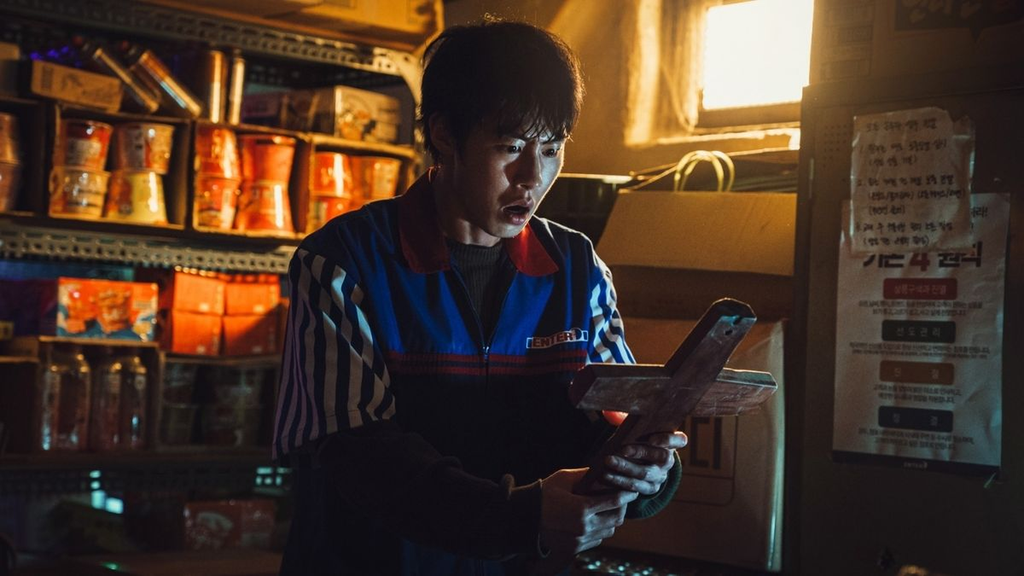
The strongest idea here is that recognizing danger does not automatically give someone the freedom to refuse it.
Hyeok-jun can understand that something is wrong and still need the money. That makes the setup more interesting than the familiar horror problem of a character wandering somewhere obviously unsafe. The agency has found a person whose financial circumstances make a terrible bargain look usable.
For me, the best question is less “What would I do against that creature?” and more “How much would I excuse if the first payment actually arrived?” It is an ugly question. It also gives the supernatural material a reason to exist beyond spectacle.
The secrecy clause sharpens that idea. A worker cannot compare experiences openly, warn the next applicant freely, or establish what an employer has concealed. Even before discussing the agency’s deeper nature, the arrangement creates an imbalance: the employer controls information while the employee carries the risk.
I like that the horror begins inside an employment agreement. A monster can surprise you once. A convincing reason to return to a dangerous workplace can sustain a series.
Acting and chemistry: family gives the chaos something to damage
Lee Jae-wook’s useful quality here is vulnerability. Hyeok-jun is frightened, irritated, and frequently overwhelmed; the performance does not depend on making him look impressive in every crisis. That matters because a permanently composed hero would weaken the premise. These jobs should feel beyond his qualifications.
The comedy grows from that mismatch. There is something absurd about expecting ordinary employee competence in circumstances no training manual could cover. His physical reactions make that absurdity readable without removing the stakes.
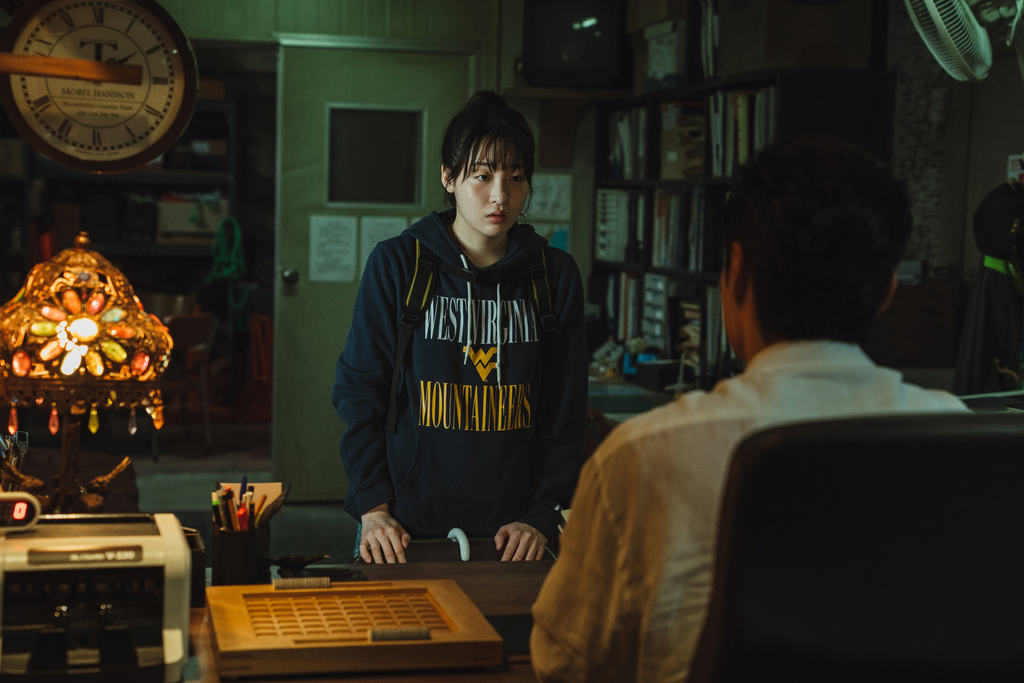
Kim Min-ha gives Ji-yoon a different temperament. Her practicality offers a counterweight to her brother’s anxiety, and their sibling relationship makes concern and irritation compatible. They do not need to agree about everything for their attachment to matter.
That is where I would direct anyone asking about Dead-End Job’s acting and chemistry. The family dynamic gives the story a stronger emotional argument than a simple collection of frightening jobs could provide. Once two people you care about can be affected by the same offer, the cost stops being individual.
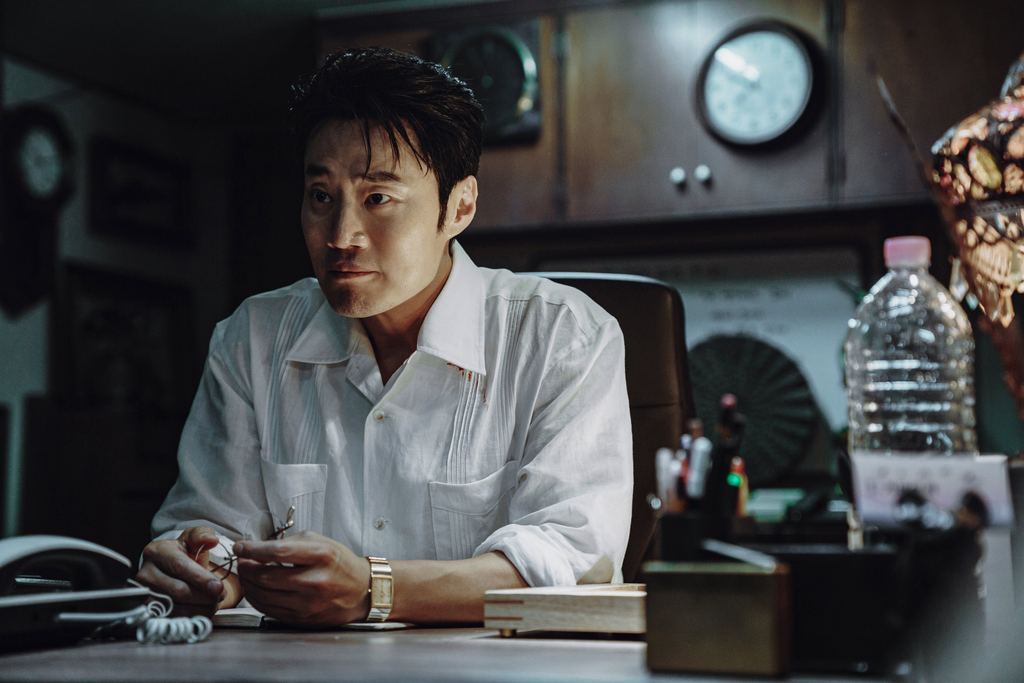
Lee Hee-jun’s Mr. S adds another kind of tension: an employer can sound reasonable while arranging something deeply unreasonable. Go Min-si’s Yeon-joo supplies uncertainty around the agency, although her connection to its mysteries is easier to become curious about than emotionally invested in early on.
Dead End Job review: the pacing is quick, but progress is uneven
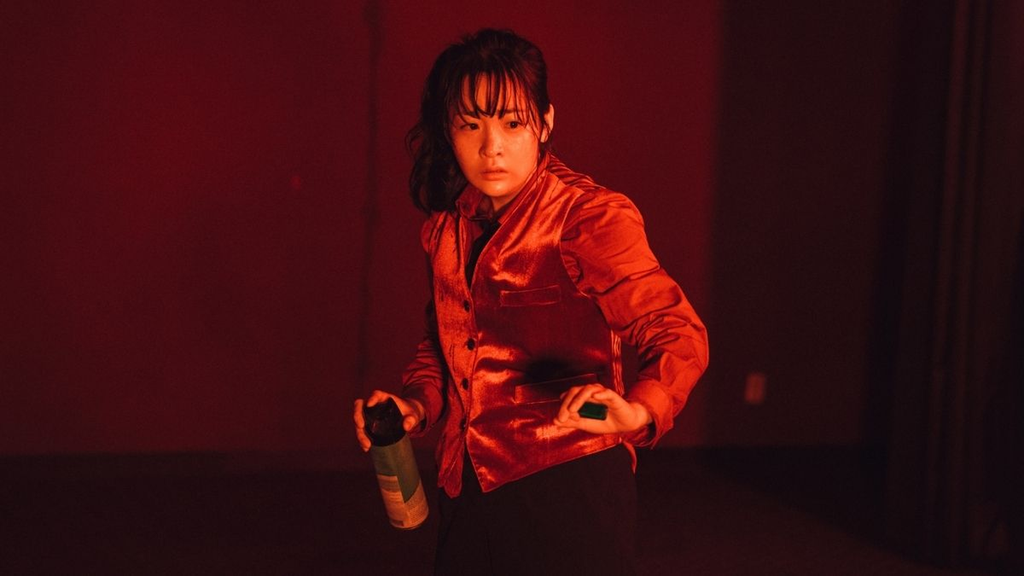
If slow dramas test your patience, the episode lengths are encouraging. Netflix lists them at roughly 33–44 minutes, with the whole season totaling just over five hours.
The assignments also give the story regular points of renewal. A different workplace means a fresh situation to understand, instead of eight episodes waiting for one location to surrender all its secrets. That structure suits viewers who enjoy a complete stretch of suspense in a single sitting.
But Dead-End Job’s pacing has two separate speeds. The immediate survival problem moves quickly; understanding the larger operation takes longer. Those are different kinds of progress, and the show is more consistent at the first.
Once the pattern becomes familiar, another dangerous assignment has to justify itself through character or discovery as well as novelty. Otherwise, the location changes while the dramatic question stays much the same: what has the employer failed to mention this time?
My preference would be for slightly more space between ordeals. A brief conversation about what an experience has changed can do more for suspense than immediately adding another threat. Speed keeps a series watchable; consequences make its episodes accumulate into something bigger.
What doesn’t work: the effects and mystery need more consistency
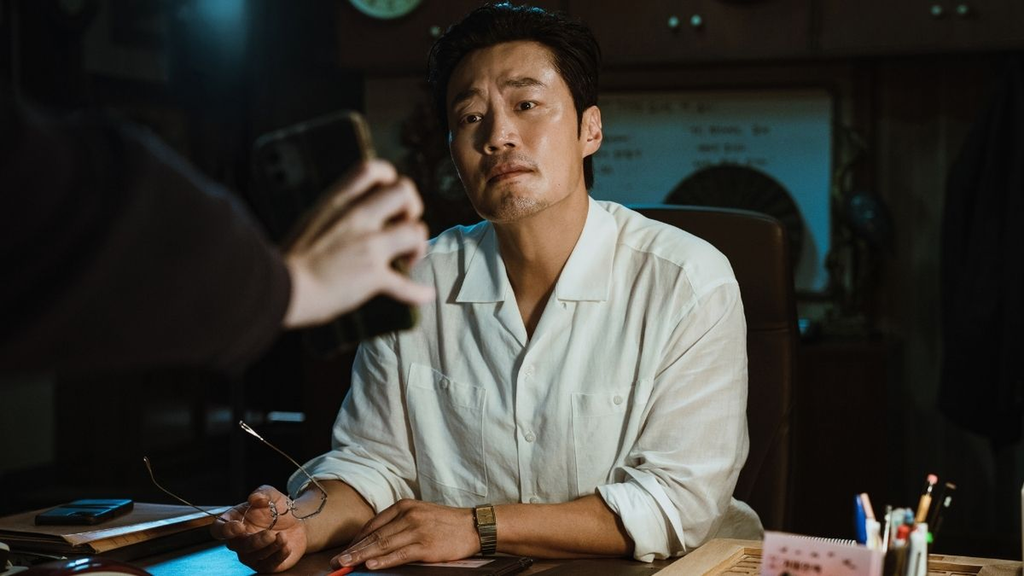
The visual appeal begins with recognizable places. A convenience store or cinema already comes with an understood purpose, which means the drama can create unease by making that purpose unreliable. You should know how to behave there. Suddenly, you do not.
Creature effects are more divisive. Some of the digital work can feel detached from the physical surroundings, weakening the sense that a body is occupying the same space as the actors. I can accept an impossible creature. I still want its presence to feel consequential.
That does not make every exaggerated image a failure. This is a strange, sometimes comic fantasy-horror series, and visual absurdity belongs in that mix. The problem comes when an image intended to threaten invites attention to its construction instead.
The writing has a related challenge. It is easy to generate interest by withholding information about an agency. Turning that interest into satisfaction requires explanations with enough room to matter.
My frustration is with the balance between questions and development. A mysterious character needs more than delayed answers to remain compelling. We also need enough behavior, motivation, or emotional specificity to care before those answers arrive.
Does the ending land? A spoiler-free assessment

The final stretch is the main reason I would stop short of an enthusiastic recommendation to mystery-first viewers. It tries to bring several concerns together, but the payoff is less assured than the setup.
There is a useful difference between leaving a disturbing idea unresolved and leaving viewers unsure whether the story has finished its work. An ending can preserve uncertainty and still feel carefully prepared. Here, the balance leans too far toward unfinished business for my taste.
That does not erase the entertainment in the earlier assignments. It changes what kind of satisfaction you should expect. Viewers who prize memorable situations may be more forgiving than viewers who want a tightly assembled explanation of how everything connects.
I would not recommend starting it on the assumption that a possible continuation will repair every loose thread. Judge these eight episodes as the viewing commitment currently in front of you.
Who this drama is for
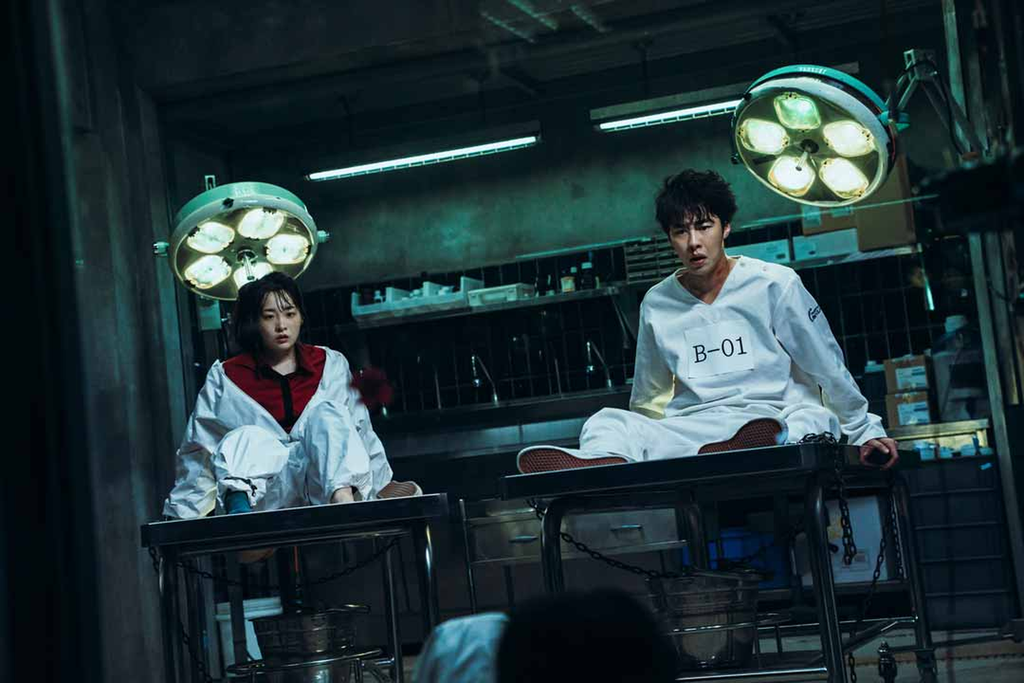
Watch it if you enjoy supernatural workplace stories, changing survival challenges, dark humor, and protagonists who remain visibly out of their depth. It is also an accessible commitment for anyone who wants a Korean genre series without a long episode count.
Be more cautious if you want romance to drive the story, highly realistic creature work, or a mystery whose ending resolves every important question cleanly. The comic elements do not make it a gentle watch: expect disturbing violence, suicidal distress, and difficult family material.
The opening episode is a useful test. Its combination of employment rules, absurd danger, and an alarmed lead establishes the basic appeal. If that mixture does nothing for you, the cast alone may not change your mind.
Curious whether the premise comes from a comic? Our Dead-End Job source-story explanation examines the adaptation question and the official writing credits.
Final rating: 7.5/10
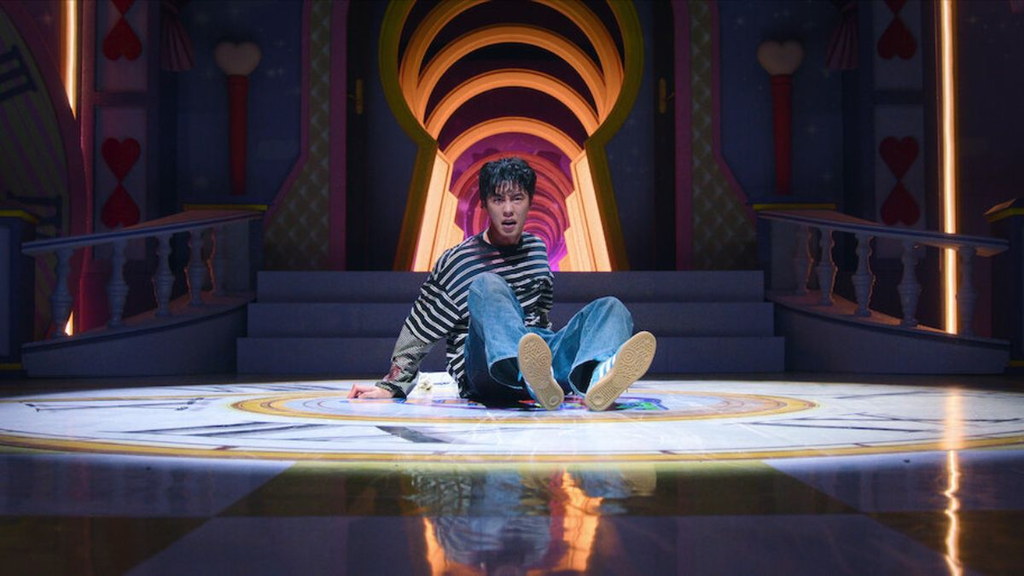
My Dead End Job review settles at 7.5/10 because the premise keeps producing worthwhile dramatic situations, and the central performers give those situations people worth caring about. The short episodes and changing assignments make it easy to recommend as a compact horror watch.
The deductions are for uneven effects, familiar structural repetitions, and a larger mystery that deserves a more satisfying finish. I can enjoy an inventive series while wishing it trusted its characters with more breathing room.
Go in for dangerous jobs, strained family loyalty, and the terrible logic of accepting one more offer. Keep your expectations for complete closure measured, and there is plenty here to enjoy.
What would you rate Dead-End Job out of ten—and did its final stretch strengthen your opinion or bring it down?