100 Days of Deception Review: Worth Watching?

Written by Huzaifa
A pickpocket makes an interesting spy because lying is already part of her working day. Believing in a cause is the harder adjustment. That tension is the strongest reason to consider this drama. My 100 Days of Deception review lands at 7/10 for its opening stretch: an appealing mix of survival, dangerous loyalties and developing romance, with more setup to absorb than its exciting premise might suggest.
Spoiler-Free Verdict
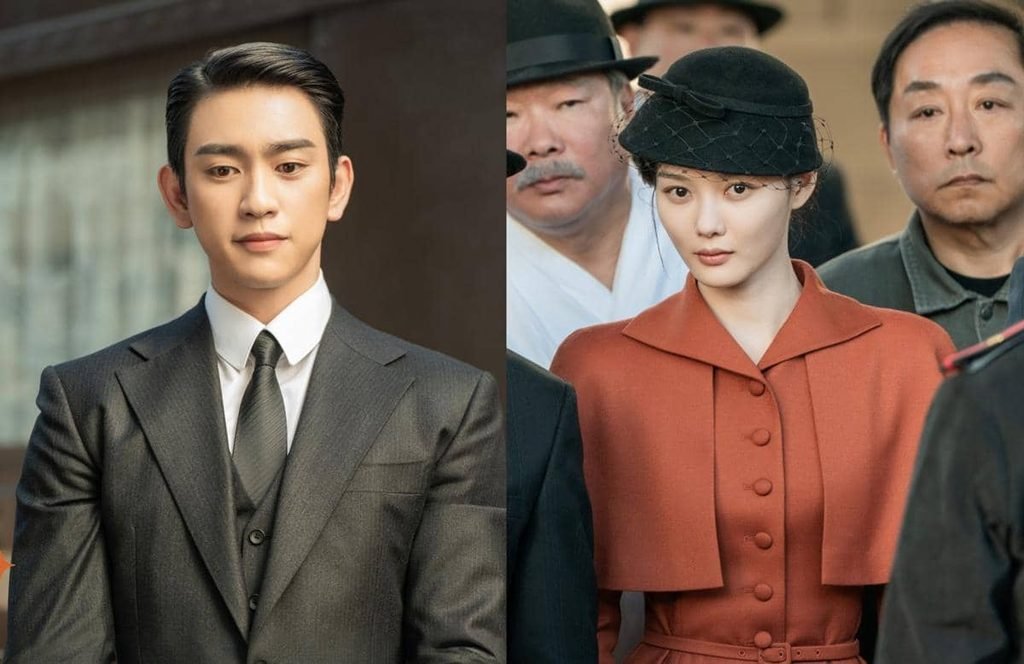
100 Days of Deception is worth starting if you enjoy historical espionage, complicated loyalties and romance built around suspicion. Its resourceful heroine and capable ensemble give the opening real promise, although dense introductions and a gradual move into the undercover mission demand patience. The provisional rating is 7/10; the series is still airing.
Review scope: A research-based assessment of the opening four episodes, using verified episode coverage. Four of the planned 16 episodes had aired by October 20, 2026. This is an early review, and the rating does not cover the unaired finale.
What Are You Signing Up For?

Set in Gyeongseong in 1932, during Japan’s occupation of Korea, the story follows Lee Ga-kyung, a gifted pickpocket whose immediate ambition is to escape her circumstances and reach America.
An encounter with the independence movement draws her into a 100-day assignment inside the Japanese Government-General of Korea, posing as an interpreter trainee. There she becomes entangled with Sato Hideo, also known as Kim Tae-woong, an interpreter and the adopted son of powerful official Sato Shinichi.
The central problem is excellent: getting close to someone may help Ga-kyung complete her assignment, but caring about him could make that same assignment much harder.
This is a historical spy romance with political conflict, thriller tension and action. Calling it simply a romance would give the wrong impression of its priorities.
You can check availability through the official Netflix page for 100 Days of Deception. If the setting interests you, our 100 Days of Deception true-story explanation separates the historical background from the drama’s fiction.
What Works: A Heroine With Something More Immediate Than Patriotism
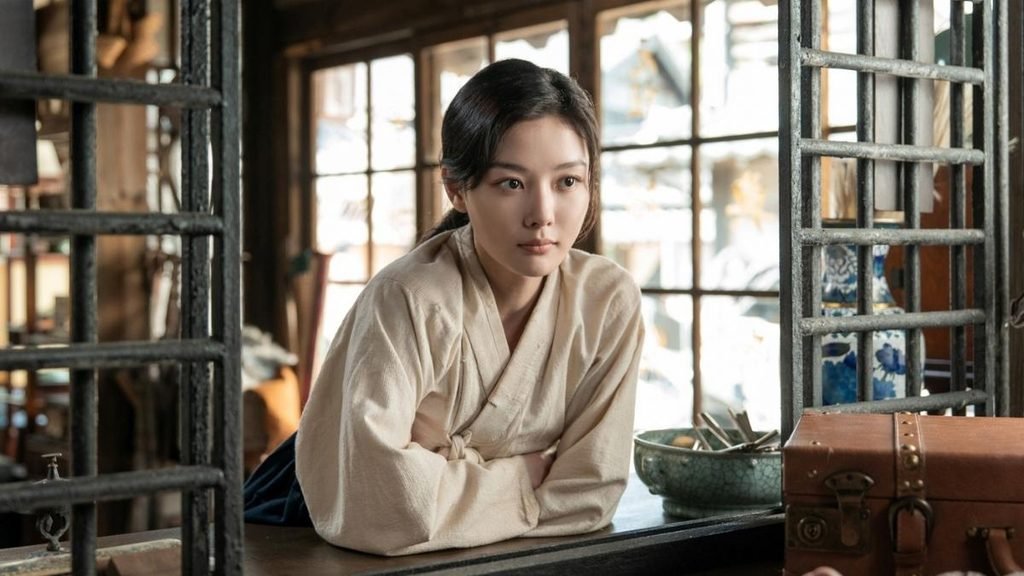
Ga-kyung’s desire for money and a way out gives the story a useful point of friction.
She enters a world where other people have missions, sacrifices and expectations. Her own concerns are painfully practical. Where can she live? Who can hurt her? What would it take to leave?
That makes her participation more interesting than a straightforward recruitment story. The independence movement needs her abilities, but needing someone’s help does not automatically earn their trust.
My reading is that the drama’s best idea lies here: a person can understand that a cause matters while still being terrified of what joining it will cost.
There is also a believable connection between her old work and her new assignment. A pickpocket already needs to notice distractions, judge strangers and improvise when a situation changes. Those abilities give the spy premise a foundation beyond the usual explanation that the heroine is somehow brilliant at everything.
For this 100 Days of Deception review, that character construction carries more weight than the glamour of undercover work. Ga-kyung has useful skills. She also has good reasons to hesitate.
100 Days of Deception Acting and Chemistry: The Main Attraction
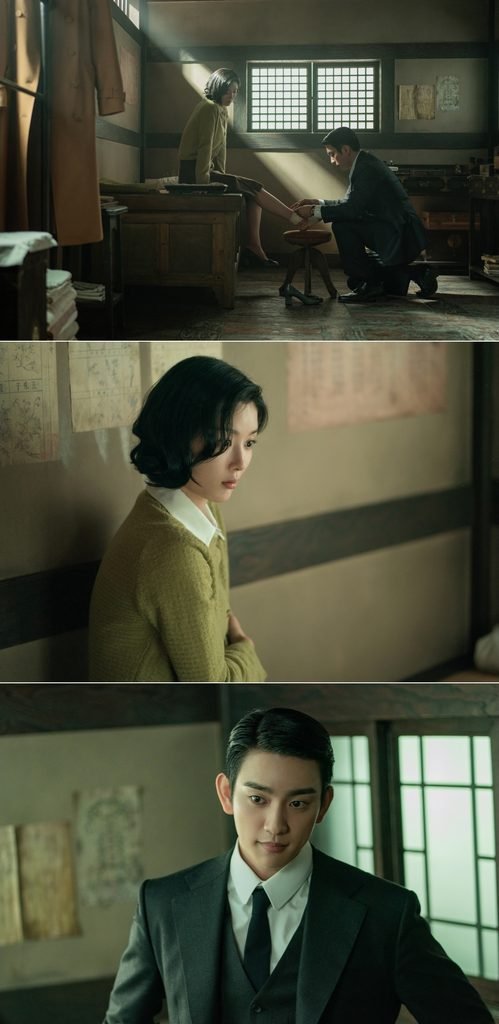
The central cast is worth keeping straight:
| Actor | Character |
|---|---|
| Kim You-jung | Lee Ga-kyung |
| Park Jin-young | Kim Tae-woong / Sato Hideo |
| Kim Hyun-joo | Yoo So-ran |
| Lee Mu-saeng | Yoo Philip |
| Jin Sun-kyu | Sato Shinichi |
Kim You-jung’s performance is a consistent strength in the early coverage: Ga-kyung’s quick thinking and cheek coexist with vulnerability. That range matters because an endlessly fearless heroine would weaken the danger surrounding her.
Park Jin-young’s Hideo offers a useful contrast. His position requires composure, while his encounters with Ga-kyung introduce uncertainty. Their relationship has an immediate question underneath the attraction: how much of what either person presents can the other believe?
That is the part of the chemistry I find most promising. Attraction alone cannot resolve their problem. Even a sincere gesture can be misunderstood when both people have reasons to conceal information.
Early developments also make room for practical care alongside suspicion. That gives the pairing something to build on beyond arguments and charged looks.
I usually lean toward romance that makes progress quickly. Here, however, caution has a dramatic purpose. Trust would be expensive for these characters, so making them earn it suits the premise.
Kim Hyun-joo and Lee Mu-saeng widen the emotional stakes through So-ran and Philip’s resistance work. Their presence helps the story extend beyond the younger leads’ attraction. Jin Sun-kyu, meanwhile, plays a threat whose official authority makes every interaction unequal.
The cast gives the material plenty of potential. Whether every relationship receives enough room remains a question for later episodes.
The Spy Setup Gives Ordinary Conversations Consequences
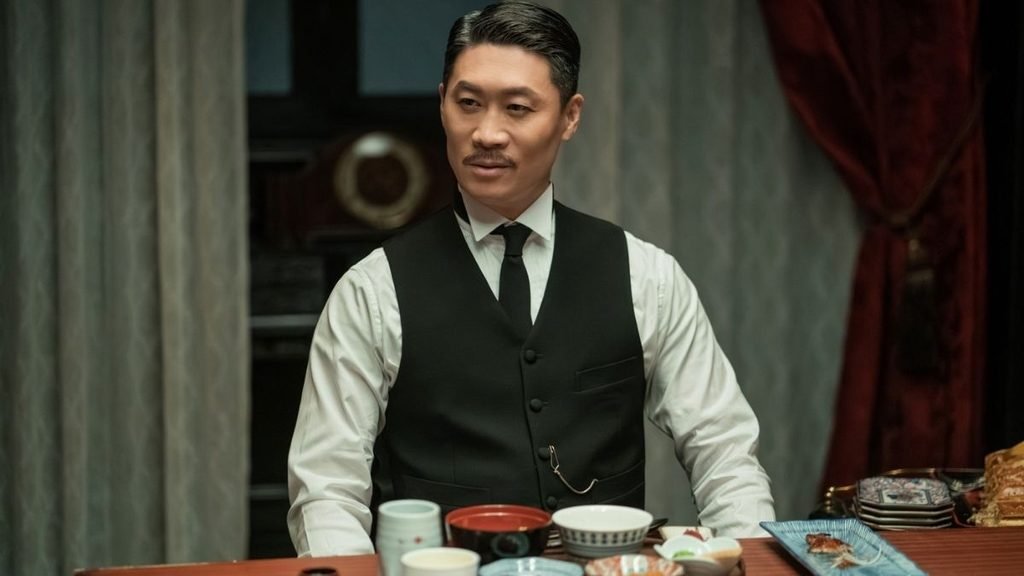
The interpreter setting is a smart choice.
Language is part of Ga-kyung’s work, her cover and her vulnerability. It creates opportunities for suspense that do not require constant chases. Who understands a remark? Who notices an inconsistency? Who has permission to ask another question?
My interpretation is that this makes the romantic and political strands naturally compatible. Both depend on people reading one another while withholding information themselves.
The 100-day arrangement also gives Ga-kyung a reason to think in terms of getting through a defined period. For someone desperate to control her future, a dangerous job with an apparent endpoint can sound different from an open-ended commitment.
That is fertile ground for a thriller. The writing now needs to keep testing those assumptions through consequences, rather than merely adding more hidden identities.
What Doesn’t Work: The Pacing Requires an Adjustment
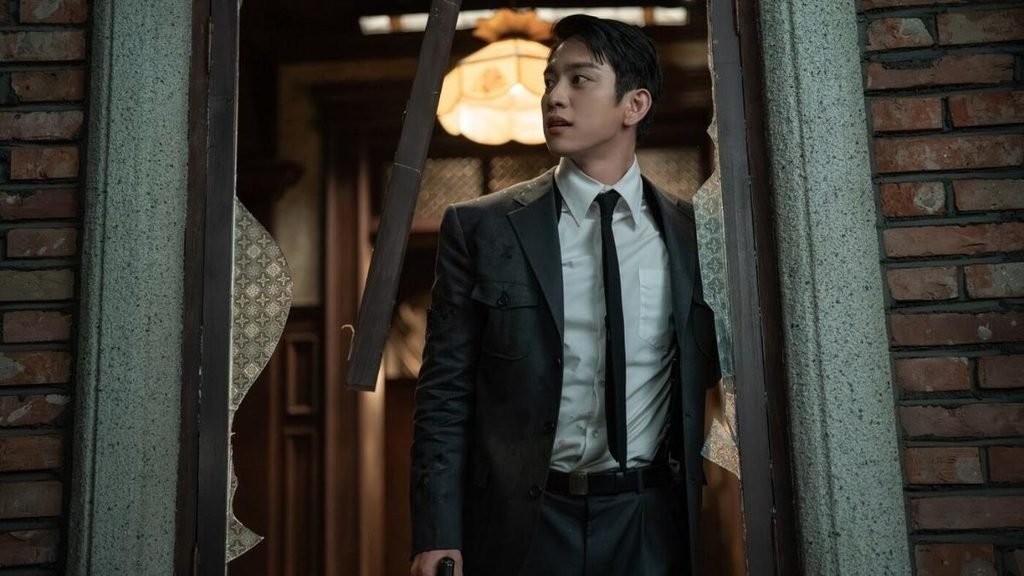
The main issue with 100 Days of Deception pacing is how long it takes to settle into the assignment advertised by the premise.
The opening introduces Ga-kyung’s circumstances, the officials, the resistance network and the events connecting them. Her undercover employment takes shape in episode three. There is danger before that, but viewers expecting the central mission to begin immediately should adjust their expectations.
I would distinguish that from a story with nothing happening. Quite a lot happens. The challenge is that the audience must understand why several different people matter before the main working arrangement becomes clear.
That is a meaningful reservation in a should-you-watch review. A strong premise can sound simple in a Netflix description and feel much more demanding across the opening episodes.
My advice is to judge your interest after the first three episodes. By then, you have a better basis for deciding whether the mix of politics, personal history and romance suits you.
Some of the Setup Is Easier to Admire Than Absorb
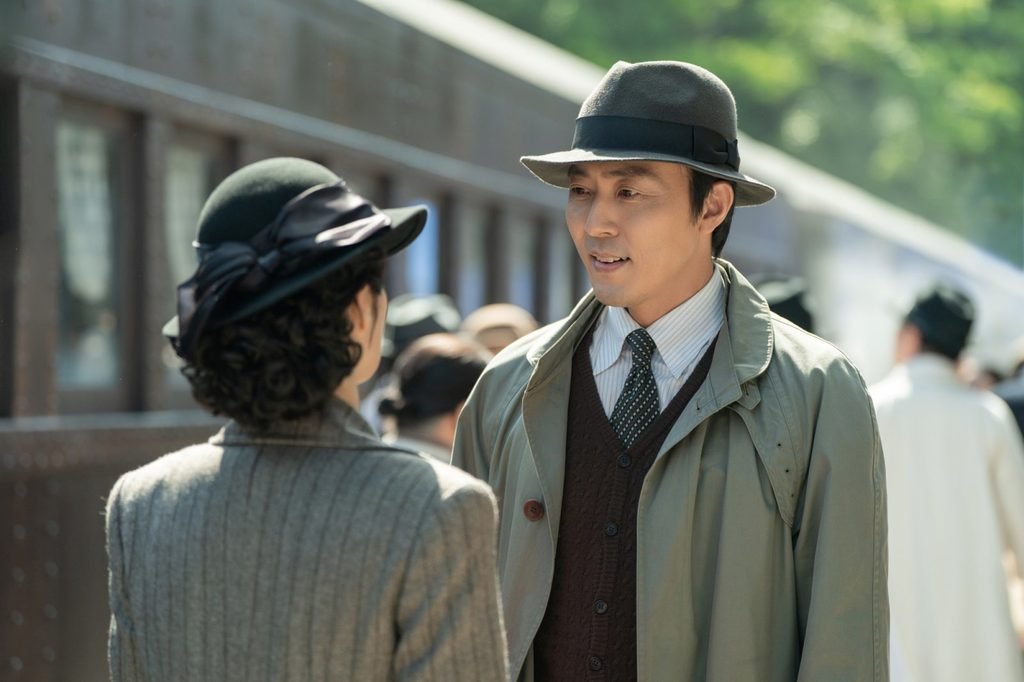
A second reservation is the amount of explanation.
Names, affiliations, family connections and concealed motives arrive close together. Early criticism has also noted dialogue that works conspicuously hard to establish this information.
The problem is not that a political drama expects attention. It should. The question is whether each introduction gives the audience an emotional reason to remember someone, instead of only another relationship to track.
Ga-kyung provides that emotional anchor because her immediate wants are clear. When the story moves further into its larger network, the burden on the viewer increases.
This is where my 100 Days of Deception review stops short of a stronger recommendation. The opening offers substantial promise, but accessibility matters too. A tense sequence loses some force if you are still sorting out who has authority over whom.
There is also a taste issue. The developing romance shares space with coercion, violence and traumatic histories. Anyone choosing this for an easy evening with a charming couple should know that the surrounding story is much heavier.
Does the Ending Land?
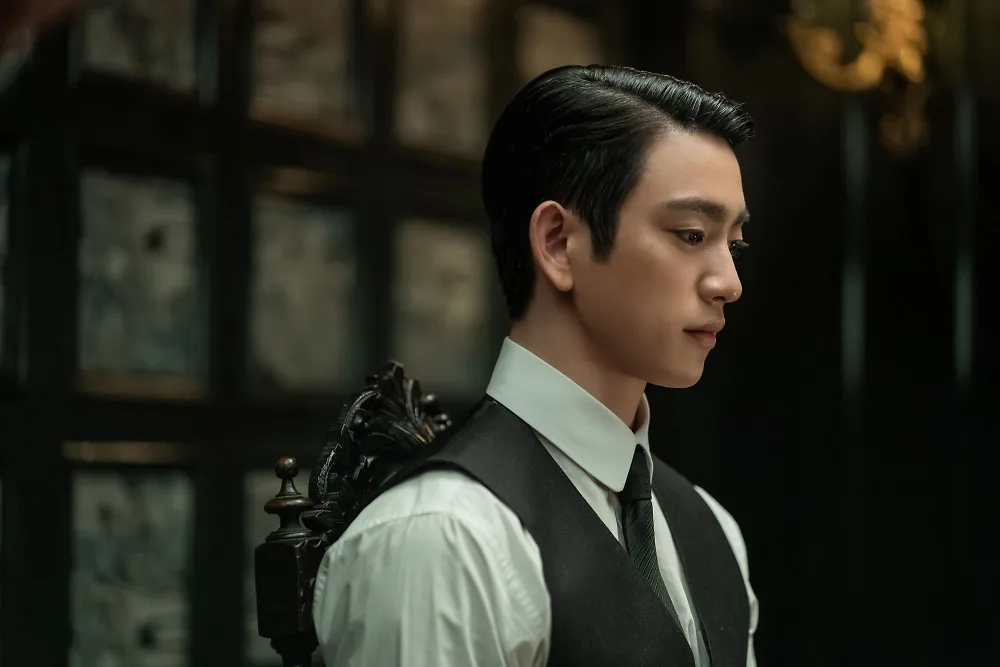
The series finale has not aired, so there is no reliable verdict on its resolution yet. The listed schedule currently runs through November 29, 2026.
The early episodes use cliffhangers to encourage viewers to continue. That is useful weekly television, but an effective cliffhanger and a satisfying complete story are different achievements.
For the eventual ending to earn a higher rating, I would want Ga-kyung’s choices to remain meaningful, the romantic trust to feel earned, and the political conflict to retain its weight.
Those are standards for a future assessment, not claims about an ending nobody can review yet. The current material also cannot establish whether the central romance receives a happy ending.
Is 100 Days of Deception Worth Watching for You?

Give it a chance if you enjoy:
- Historical dramas in which the political setting shapes personal decisions.
- Undercover stories with uncertain loyalties and competing agendas.
- Resourceful heroines whose priorities are complicated.
- Romance that develops through suspicion, vulnerability and growing trust.
- Following an ongoing drama and discussing possibilities between episodes.
Consider waiting if you want:
- A completed series with a confirmed ending.
- Quick romantic reassurance and a lighter overall mood.
- A small cast and a plot that is easy to follow while distracted.
- An action thriller that moves rapidly from one mission to the next.
The choice depends less on whether you like historical costumes and more on whether you enjoy the tension of people who cannot safely be honest.
Final Rating: 7/10, With Room to Grow
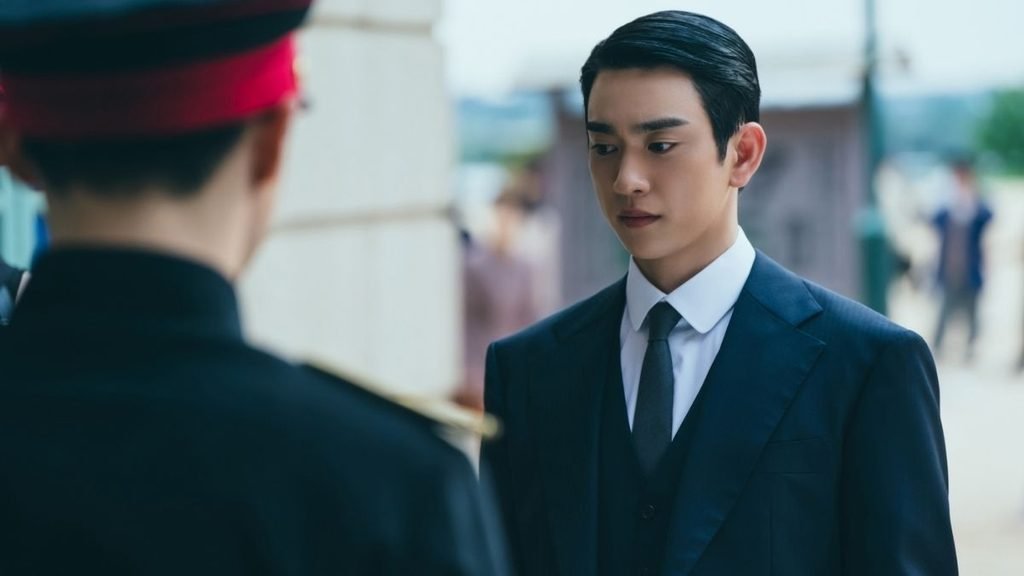
My 100 Days of Deception review settles on 7/10 as a provisional rating. The heroine’s competing priorities, promising central relationship and dangerous setting provide sound reasons to start. The crowded setup and delayed arrival at the main assignment make the recommendation more selective.
Seven is a positive score here. It means the opening has enough substance to justify attention, while leaving room for the remaining episodes to prove how well these pieces fit together.
If you enjoy romance under pressure and can give the story your attention, this belongs on your shortlist. If emotional certainty matters more, waiting for the finale is a sensible choice.
What would you rate 100 Days of Deception so far—and is the spy story or Ga-kyung and Hideo’s relationship keeping you interested?