100 Days of Deception Ending Explained: The Final Mission and the Romance
Written by Huzaifa
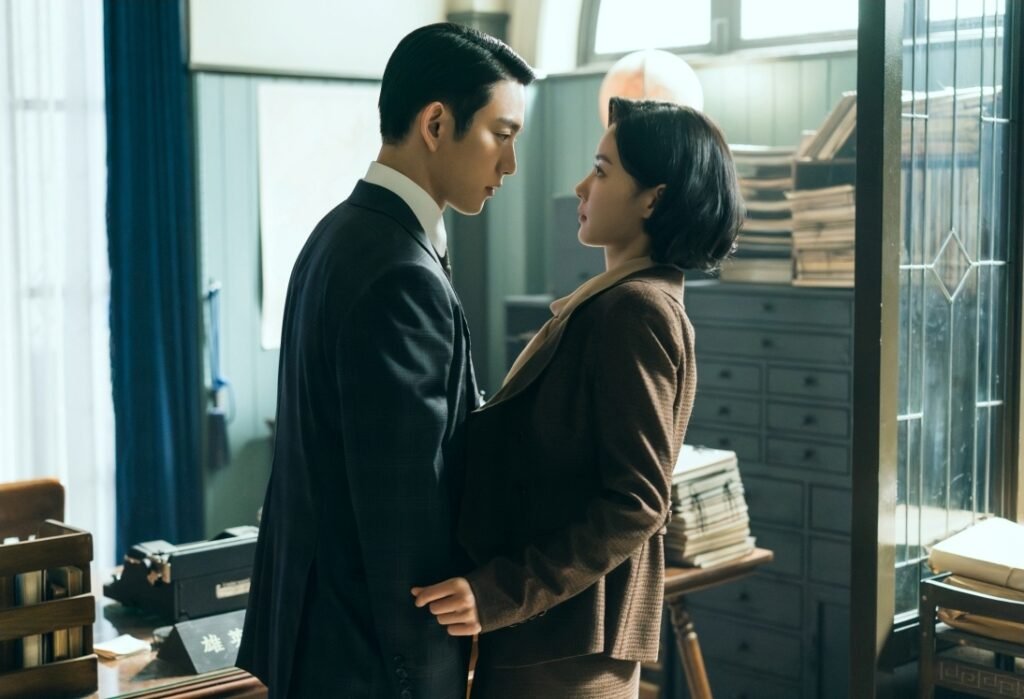
Kim Tae-woong remembers exactly what Lee Ga-kyung wants to do in America. That’s what hurts about their plan to meet in Busan. For a minute, the 2026 spy romance lets them talk like two people planning a holiday. By the end of episode 16, Ga-kyung has two promises to keep and only one ticket to buy.
Quick Answer: Lee Ga-kyung exposes Sato Shinichi’s role in a massacre and shoots him at Gyeongseong Station. The final mission succeeds, but Kim Tae-woong dies. He asks Ga-kyung to live under her own name in a free Korea. She survives imprisonment, sees liberation and eventually makes their promised trip to America without him.
Why Ga-kyung gives Sato the family photograph
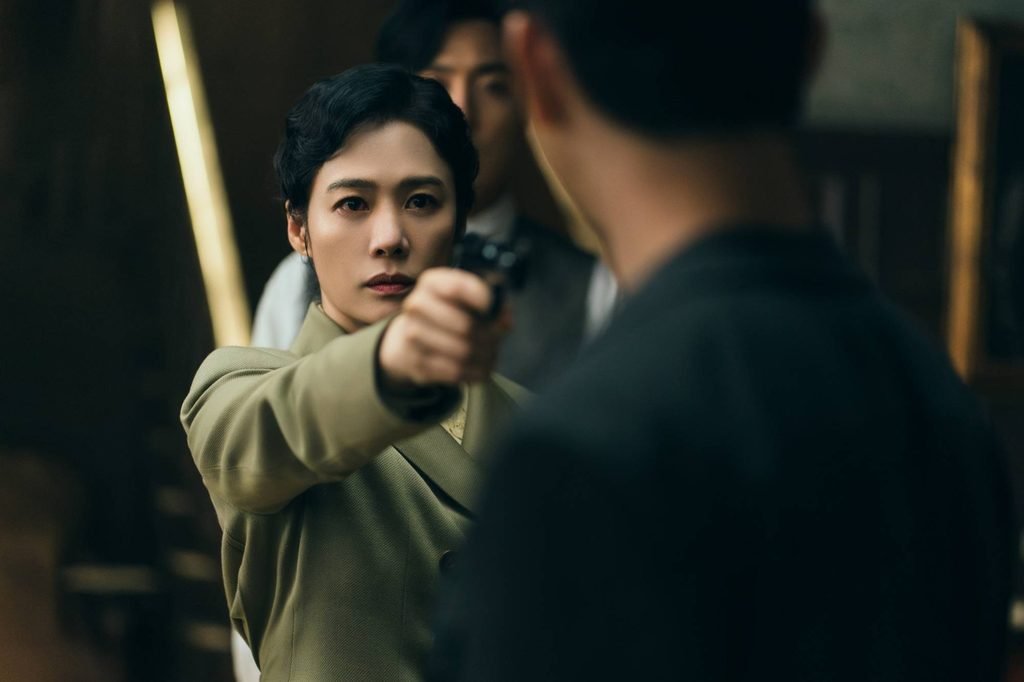
At the end of episode 15, Ga-kyung hands Sato a photograph of Yoo So-ran’s family. She has just learned that So-ran recruited her mother, Lee Ae-young, as a spy. Ga-kyung spent years believing her mother had left her for a Japanese man. All that time, the woman who could have explained what happened was giving Ga-kyung orders of her own.
There’s a particularly painful detail behind that photograph. So-ran gave it to Ae-young as security when she asked her to risk her life. Her own family’s picture was the most personal guarantee she could offer. In Sato’s hands, that same picture looks like evidence against her.
Was Ga-kyung angry enough to mean the things she said to So-ran? Absolutely. Did she give her loyalty to Sato? Episode 16 answers that when she uses her place at his side to tell the world what he did. The anger was real, which is what made the apparent betrayal believable.
The giveaway before the mission is a gesture Ga-kyung makes
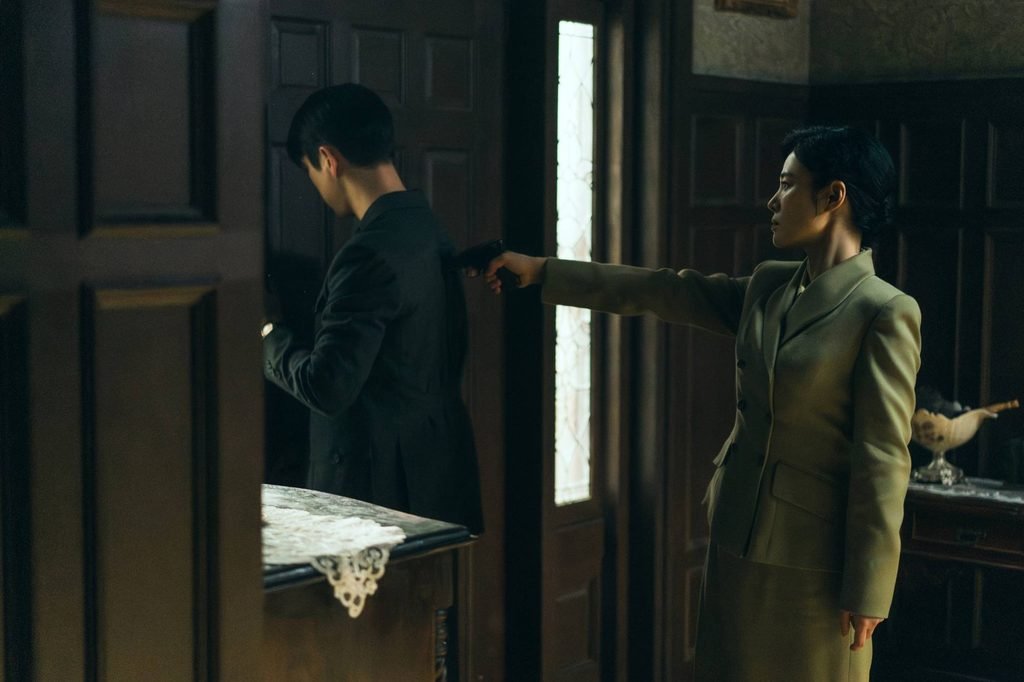
Gugukdan, the Korean independence group, plans to assassinate Sato. Ga-kyung volunteers. So-ran wants her out of danger, and Tae-woong offers her a smaller task involving the visiting commission’s luggage. Ga-kyung agrees to that limit while making the gesture she habitually makes when she lies. Watch for it if you revisit episode 16 on Netflix. She’s already decided how much say the others will have over where she goes.
Her letter to So-ran fills in the part she can’t say to her face. Ga-kyung forgives her. Then she threatens, with real affection, to take that forgiveness back if So-ran gets herself killed. She wants So-ran to come home and enjoy an ordinary life with Philip. That little condition sounds more like Ga-kyung than a grand farewell ever could.
Tae-woong, meanwhile, agrees to teach her to shoot. Fireworks are going off as they practise. They settle on Busan as their meeting place after the operation. He remembers her wish to go to the top of the tallest building in America. I love that he remembers the building. It gives us some idea of what these two might talk about on a day when nobody needs them to be brave.
What Ga-kyung actually says at Gyeongseong Station

Sato expects to address the visiting League of Nations commission and the foreign press. Tae-woong was supposed to interpret. Instead, Ga-kyung stands beside Sato, listening to him praise Japan while an audience waits for the English version. For a few moments, she has almost complete control over what those visitors understand.
She uses that time to describe Japanese troops killing Korean civilians in 1919 after a peaceful independence protest. She identifies Sato as the man responsible in the drama. When he questions her translation, she briefly reassures him. It’s the village name that gives her away. He can hear a familiar place name even in a speech whose meaning has escaped him.
Sato turns on her. She holds him at gunpoint and calls for Korean independence in front of the reporters. People at the station take up the cry. All season, getting information out of the Government-General has meant passing secrets quietly. Here everyone can hear her. For the distinction between the village in the series and the real events that inspired it, read the history behind the Gyeam-ri massacre.
Who kills Sato, and what happens to Suzuki and So-ran?
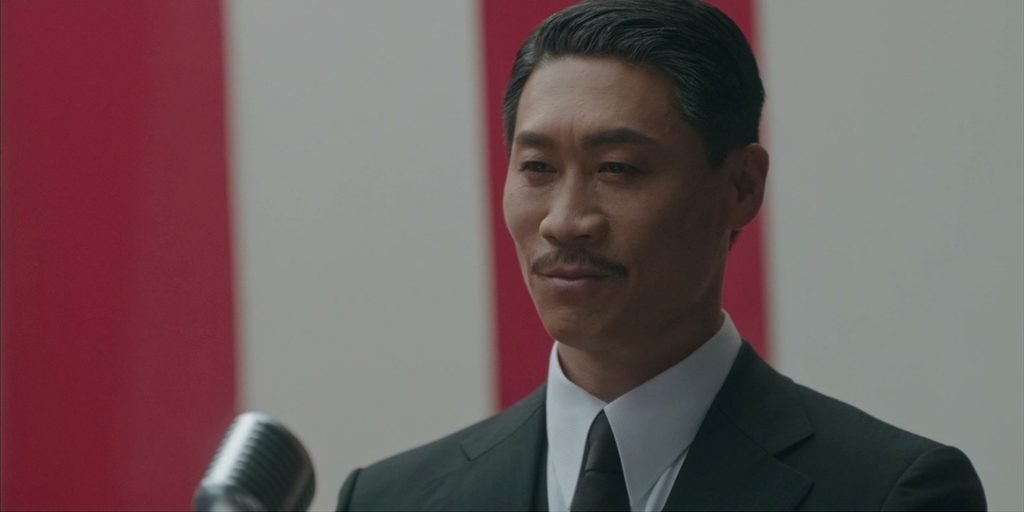
Ga-kyung fires the fatal shot. It’s easy to lose track because three people with personal reasons to kill Sato reach him in quick succession. Before that confrontation, Suzuki intervenes when Sato threatens Ga-kyung. Sato shoots him, and Suzuki dies protecting her. Under that Japanese name, Suzuki was Hong Seok-won, Ga-kyung’s biological father. She’s barely had time to learn who he is before she loses him.
Sato retreats onto a train. So-ran pursues him, with Yoo Philip covering her. Philip is badly wounded. So-ran runs out of ammunition, and Ga-kyung’s first attempt to stop Sato fails. Sato wounds Ga-kyung and shoots So-ran when she intervenes. Tae-woong reaches him while Ga-kyung is still alive.
Sato shoots his adopted son and demands an apology. He insists on calling him Sato Hideo. Tae-woong answers with his Korean name, Kim Tae-woong. Then Ga-kyung shoots Sato. So-ran lives long enough to see that he’s dead. Her last words to Philip are about the years she wanted to spend with him in their house. Suddenly that modest wish in Ga-kyung’s letter feels enormous.
Why Tae-woong asks Ga-kyung to use her own name
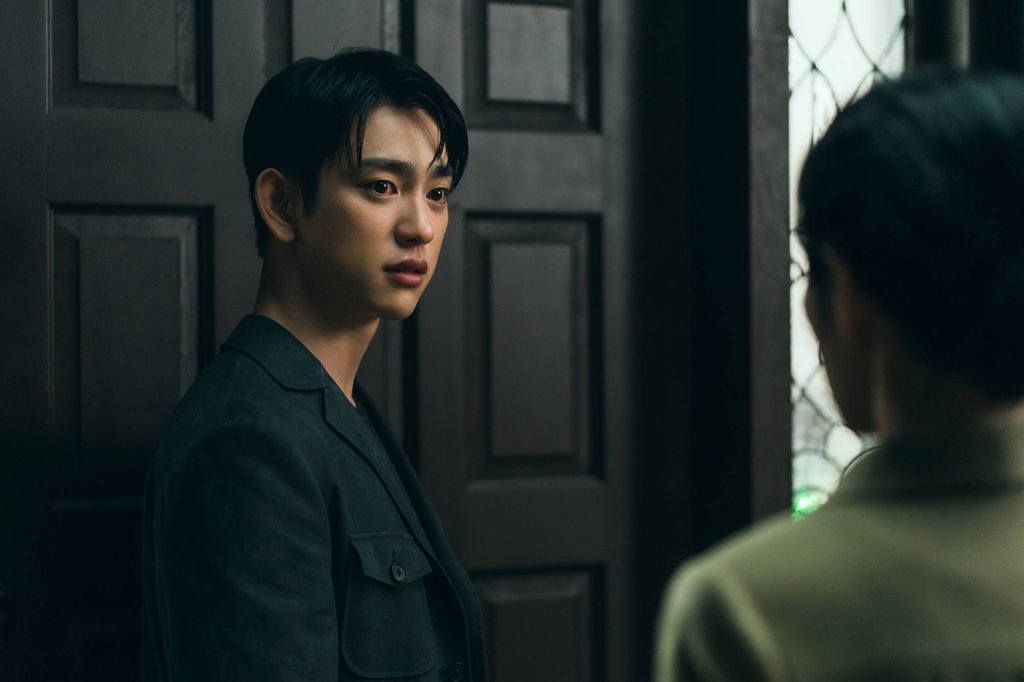
Sato’s last demand has a long history. Tae-woong once accepted a place in his household because he was poor and trying to survive. Sato treats that childhood choice as a lifetime debt. Even with his son bleeding in front of him, he wants to hear him apologize for standing with other Koreans. There’s an earlier answer to that demand in the episode where Tae-woong helps the residents of Gyodang-ri keep their land. He’d already admitted to those families what he did to survive, and whose forgiveness he wanted.
With Ga-kyung, his voice serves a different purpose. He asks her to keep walking, to see an independent Korea and to smile there as Lee Ga-kyung. Geum Seo-hee was the name that got her inside the Government-General. He wants her to imagine a time when she can introduce herself to someone without first deciding which answer will keep her alive.
Ga-kyung’s mother had told her that the ground she walked on with her own feet was hers. That thought turns up in the letter to So-ran and comes back in Tae-woong’s farewell. He dies of his wounds. He and Ga-kyung never make it to Busan together.
How the foreign reporters change Ga-kyung’s fate
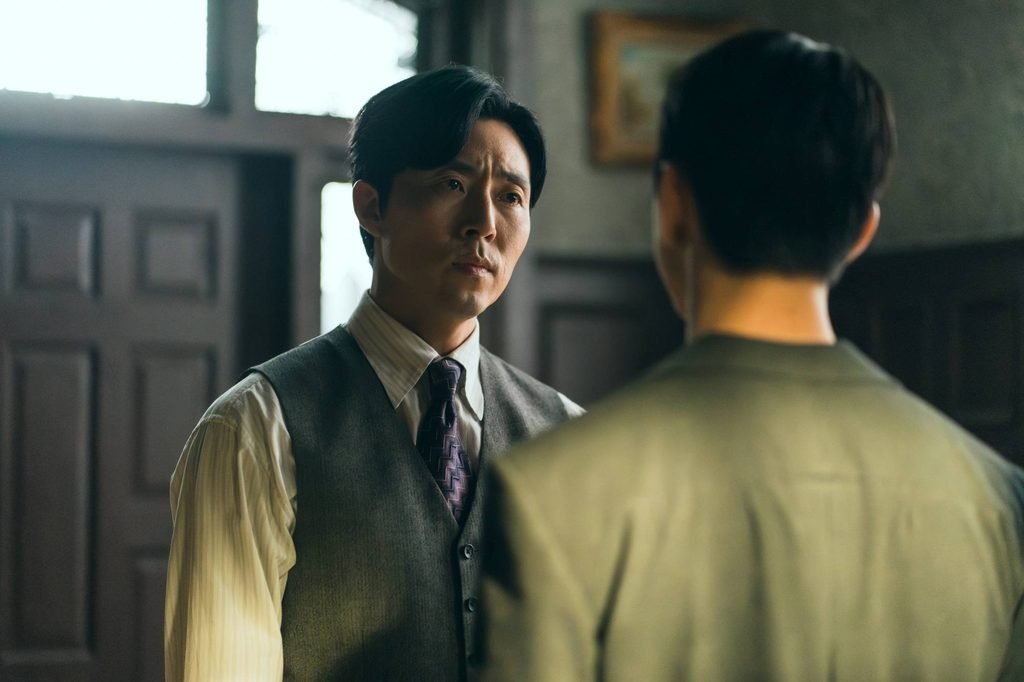
The speech has a consequence beyond the station. The foreign press reports on the assassination. That attention helps Ga-kyung and Philip get their sentences reduced to life imprisonment. Both survive the operation and go to prison. Philip has to live with the same kind of loss as Ga-kyung. The person who wanted to make a home with him is gone.
This is the piece of the final mission I’d hate to lose in a summary that jumped straight from Sato’s death to liberation. Think about who would have been able to describe the shooting if Sato had finished speaking and the delegation had gone home. By the time Ga-kyung fires, foreign witnesses have already heard a Korean woman name the victims, explain why they were targeted and identify the official responsible. Readers abroad have a way to understand why the people at the station fought.
Back in Korea, Kim Myeong-nam takes the lead in Gugukdan’s continuing work. Years still stand between the events at the station in 1932 and the liberation Ga-kyung lives to see.
The final scenes explain which promise Ga-kyung keeps
Ga-kyung goes to America. The trip is hers to make, even after the person who remembered her dream is gone. She also establishes an orphanage and lives long enough to witness the demolition of the Japanese Government-General building. That last detail gives the time jump its scale. As a young woman she needed a borrowed identity to get through those doors. As an older woman she can stand outside and watch the building come down.
My favorite part of the epilogue is that she still takes the trip. It would have been easy to leave America as a painful word she could never bear to hear again. Instead, she gets to have a life interesting enough to include travel, children to look after, work of her own and memories of someone she loved. Imagine how much of that life we’d miss if the credits rolled when Tae-woong died.
The romance has a tragic ending. The hope belongs to the woman who outlives it. Looking back at how the opening episodes introduced their romance, there’s something especially tender about the change in what Tae-woong wants to know. The interpreter who once needed to work out who she really was dies knowing her name and wanting her to hear it.
Frequently asked questions
Do Ga-kyung and Tae-woong end up together?
No. They love each other and plan to leave for America through Busan. Sato fatally wounds Tae-woong before they can go. Ga-kyung eventually travels to America herself.
Are Ga-kyung and Tae-woong related by blood?
No. Lee Ae-young was Ga-kyung’s biological mother and Tae-woong’s adoptive mother. That’s why both recognize her in the photographs. They remember the same woman from different families.
Does Ga-kyung forgive So-ran for recruiting her mother?
Yes. She says so in her letter before the station operation. She also asks So-ran to live happily with Philip for Seo-hee’s sake. Her wish for So-ran makes their reconciliation especially painful when the operation is over.
Why does the Government-General building matter at the end?
It’s where Ga-kyung once worked undercover for the independence movement. Its demolition lets her see a piece of the occupation disappear with her own eyes. Of all the things Tae-woong hoped she’d live to see, this is the one I most wish he could have stood beside her for.
Which moment felt like Ga-kyung’s real goodbye to Tae-woong to you, their promise to meet in Busan or the trip she finally takes? Tell me how you read it in the comments.