A Sad Story Than Sadness (More Than Blue): The Ending Explained – DaebakDaily
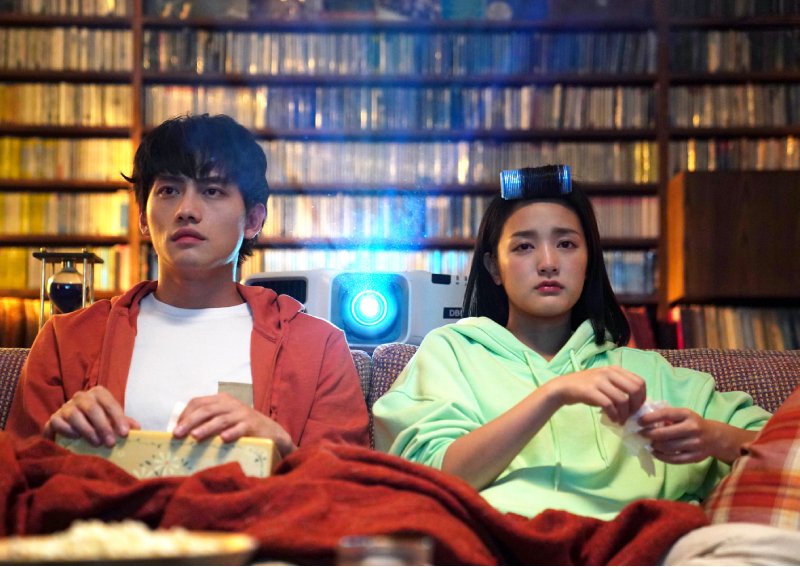
If you just finished the 2009 film and typed some version of “sad story than sadness” into a search bar with your mascara halfway down your face, first: same. Second, you didn’t misspell anything. That phrase is basically what the Korean title says, word for word, and it’s a more honest description of this movie than “More Than Blue” ever was.
I want to be clear about which version we’re talking about before anything else, because this gets confused constantly. This is the original — Kwon Sang-woo and Lee Bo-young, directed by Won Tae-yeon, released back in 2009 — not the 2018 Taiwanese remake that made roughly thirty times the money, and not the 2021 Netflix series either. If you typed “more than blue korean movie” specifically to make sure you had the right one before reading spoilers, you’re in the right place.
Quick answer: K hides that he’s dying of leukemia and pushes the woman he loves, Cream, toward a healthy man named Joo-hwan so she won’t end up alone. The gut-punch: Cream already knew about his illness before he realized it, and was only pretending to fall for Joo-hwan to give K peace of mind. They were both sacrificing for each other at the same time, each one blind to the fact the other was doing it too.
Since this is as much a k-movie review moment as an explainer: the pacing is slow by design, sometimes to a fault, but Kwon Sang-woo and Lee Bo-young’s chemistry does enough quiet, unshowy work that the slowness rarely feels like padding. If you’re the type who actively seeks out emotional Korean movies instead of stumbling into them, this one’s earned its reputation the hard way.
Quick Refresher: Who’s Who
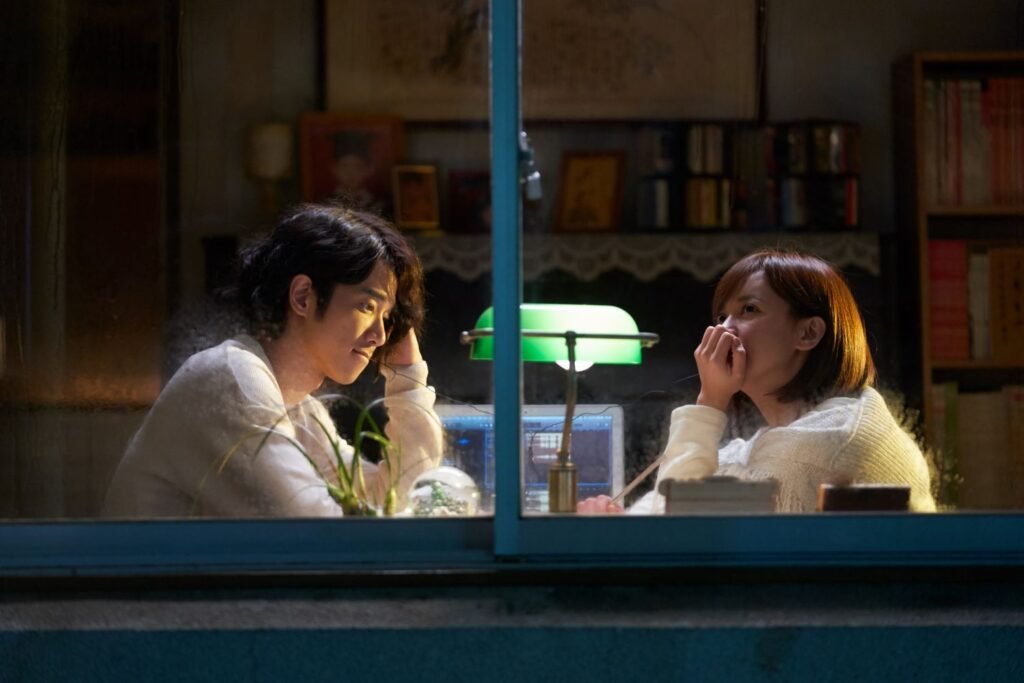
A fast cast refresher before the breakdown, since it’s easy to blur these names together after a two-hour cry.
K, real name Kang Chul-gyu (Kwon Sang-woo), is a radio show producer. Cream, real name Eun-won (Lee Bo-young), is a songwriter and his roommate. They’ve been inseparable since they were both orphaned as teenagers — K’s father died of cancer and his mother left not long after, while Cream lost her entire family — and they’ve lived together ever since like family, minus the part where either of them admits they’re in love.
Cha Joo-hwan (Lee Beom-soo) is a dentist who Cream starts seeing. Jenna (Jung Ae-yeon) is Joo-hwan’s fiancée before Cream enters the picture, and her small subplot matters more than it looks like it does at first.
The Marriage K Builds, and What It Costs Jenna
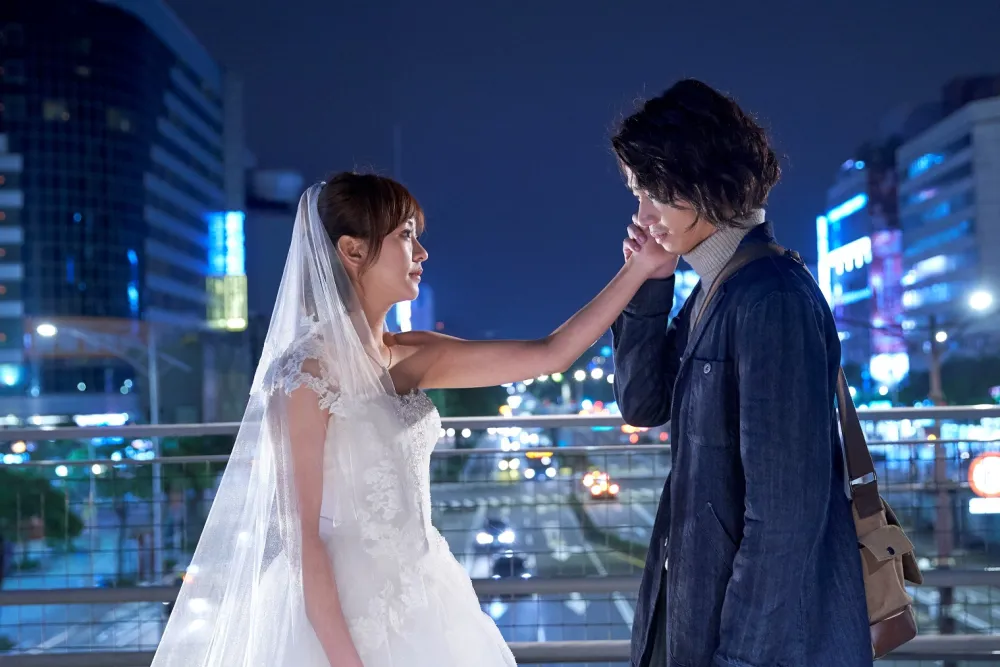
Once K learns he doesn’t have long left, he doesn’t tell Cream. He knows her deepest fear, better than anyone alive, is being left behind again, so instead of a confession, he starts quietly building her an exit — toward Joo-hwan.
The problem is that Joo-hwan is already engaged. K goes to Jenna directly and, believing Cream has genuinely fallen for Joo-hwan, asks her to let him go. Jenna agrees, but only on one condition: she wants to photograph K for a project she’s working on, an exhibition about death.
That detail is easy to skate past, but it’s one of the film’s better pieces of dramatic irony. Jenna has no idea K is actually dying. As far as she knows, she’s asking a healthy stranger to play morbid dress-up for her art. He agrees anyway, because it’s a small price for buying Cream a future.
The Diary Twist: What Cream Already Knew
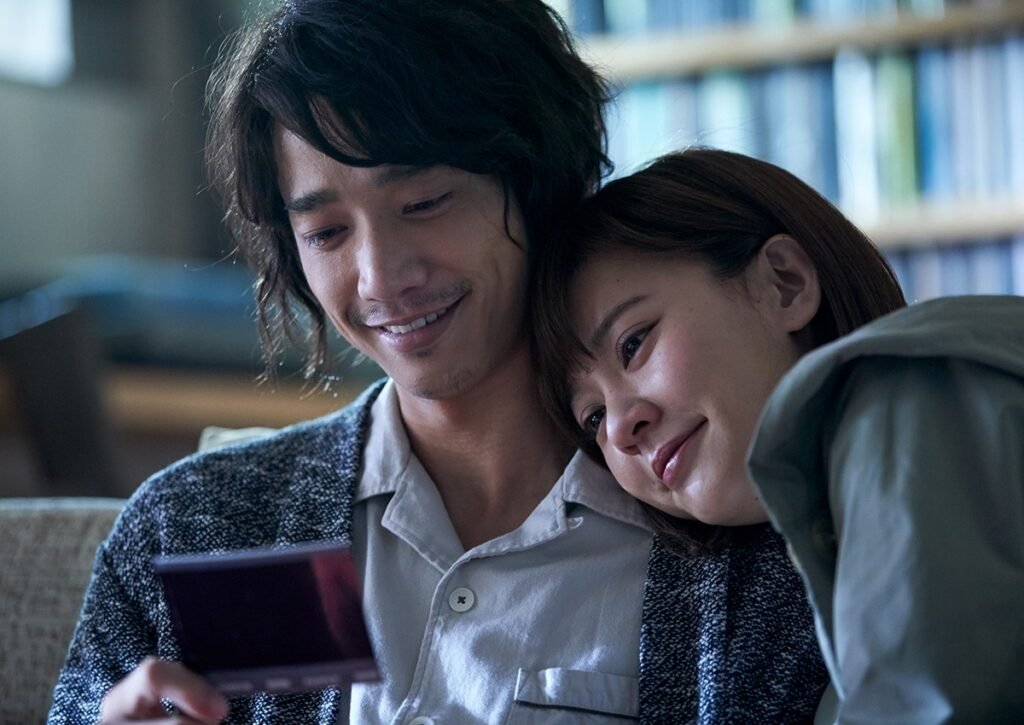
Here’s the part that recolors everything you just watched, and the reason reviewers keep calling this movie’s back half a “twist” even though nothing explodes and nobody turns out to be a secret sibling.
Cream already knew K was dying. She found out earlier than he ever realizes, while going through his belongings looking for songwriting inspiration — she found medication, the kind prescribed to terminal cancer patients, and put the rest together herself.
I had to rewatch the scene where K casually asks her “what makes a good man” a second time before it actually landed. In the moment, it plays like idle conversation, maybe a little wistful. It isn’t idle at all. He’s answering a question about her future without ever admitting he won’t be in it, and because Cream already knows exactly why he’s asking, she isn’t receiving relationship advice. She’s listening to him plan his own exit, in real time, and choosing not to let on.
So when Cream later “falls” for Joo-hwan, it isn’t real, or at least not in the way K believes it is. She’s performing it, specifically for him, so that the last thing he sees before he dies is her settled and safe. Her diary is where the film finally lets us see this from her side — the version of events K never gets to read, in which she was never fooled for a second.
That’s the actual sad story than sadness plot people search for when they want the whole picture instead of just the last ten minutes: two people independently deciding to lie to each other out of love, at the same time, without either one knowing the other was doing it too.
The Last Birthday, and What Happens After
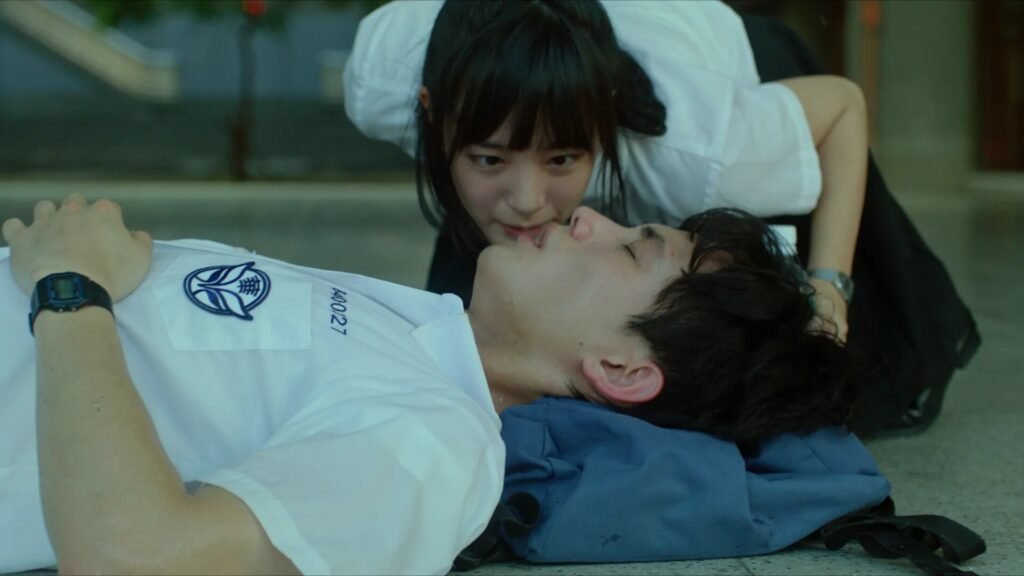
K’s condition worsens fast once the arrangement with Joo-hwan is settled. Their last day together lands on Cream’s birthday, and they spend it exactly like every other day they’ve shared — quiet, easy, neither one performing grief for the other, since neither has said out loud what they both now know.
Cream asks what he’s wishing for. K tells her it’s a secret. She reminds him she already gave him her wish, years earlier: that in their next life, he finds her sooner. He calls her an idiot, gently, and promises they’ll find each other again. They take one last photo together. He dies not long after.
Cream apologizes to Joo-hwan — not for loving him too little, but for the deception itself, for using him as a piece in a plan he never knew he was part of. The film’s final image is Joo-hwan standing at a grave. It’s a strong implication, not a scene the movie forces you to sit through directly, that Cream didn’t outlive K by much.
Why K Never Just Told Her the Truth
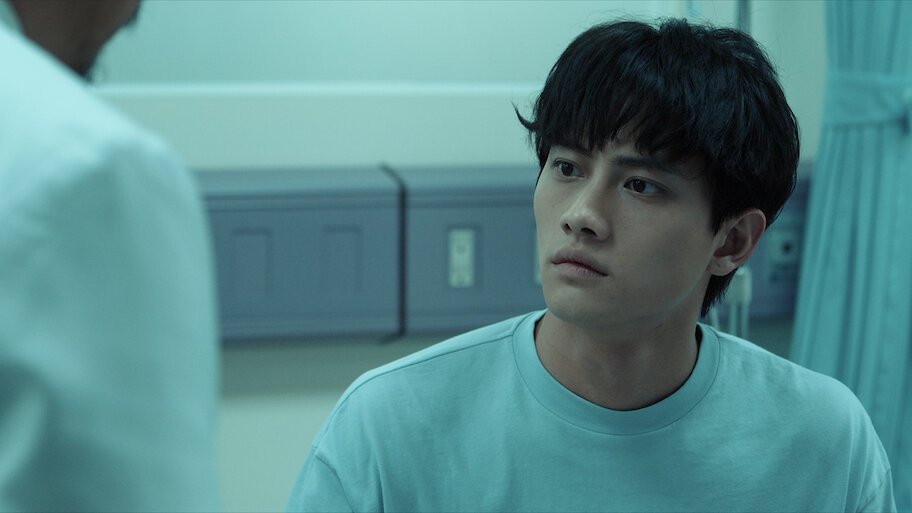
The instinct to ask “why didn’t he just talk to her” is fair, and the film’s answer is built into K’s backstory rather than stated outright. He already knows exactly what abandonment does to a person, because his own mother did it to him the moment his father’s death made caring for him inconvenient. He isn’t protecting Cream from grief in some abstract sense. He’s specifically trying to prevent the one thing he knows firsthand can break someone: being left with nothing and no one around to explain why.
Telling her the truth would have meant asking her to spend however many months he had left grieving him in advance, then facing the actual loss with no one lined up to catch her afterward. In his mind, silence is the kinder cruelty.
Why Cream’s Half of the Secret Hits Harder
Here’s the part I didn’t fully appreciate until a later rewatch: K’s sacrifice is the one the film shows you first, so it’s the one you’re primed to feel. Cream’s sacrifice is hiding underneath it, and it’s arguably the more painful of the two, because she isn’t just losing K — she’s actively performing his preferred version of her future while he’s still alive to watch, getting nothing back for it, not even the comfort of him knowing what it’s costing her.
It’s a small, cruel loop: he lies to spare her pain, she lies to spare him the guilt of knowing she’s in pain, and the only party who never gets the full story while it’s actually happening is the audience, until the diary finally hands it over.
Does Cream Actually Die at the End?
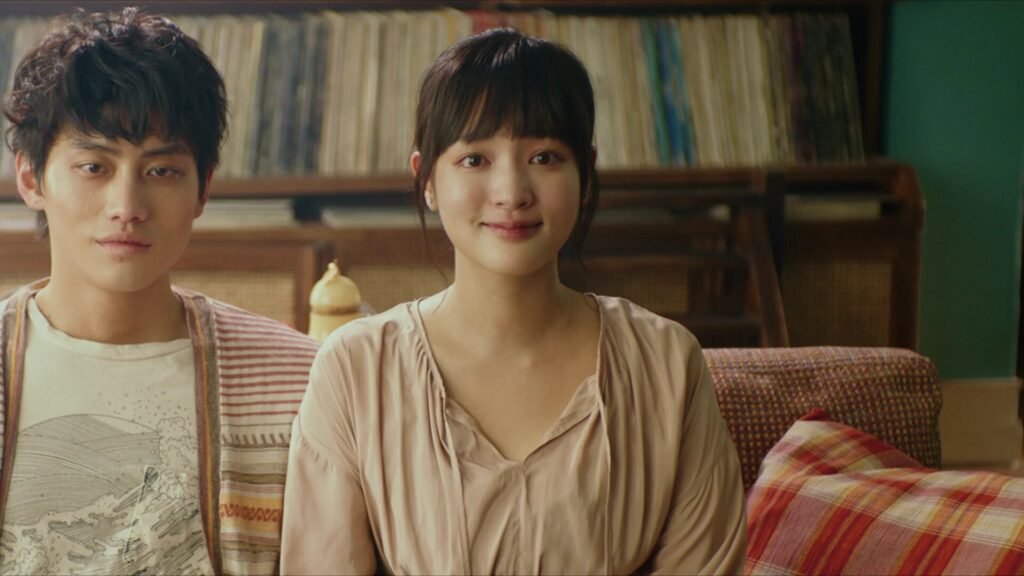
This is the one detail the film is genuinely careful not to spell out on-screen, so it’s worth being straight about what’s confirmed versus implied. We don’t get a scene of Cream taking her own life. What we get is Joo-hwan, later, standing at a grave, plus the emotional and narrative logic of everything that led there. Most viewers and reviewers read this as confirmation that Cream didn’t survive K for long. Treat it as the film’s clear intention rather than something shown frame by frame — the movie chooses restraint here on purpose, the same way it chooses a quiet photograph instead of a deathbed monologue for K’s own final scene.
Other Things Viewers Get Stuck On
Is this based on a true story? No. It’s an original screenplay by Won Tae-yeon, who was a published poet before this became his directorial debut, which explains a lot about the film’s fondness for quiet, literary dialogue over big speeches.
Why does the Taiwanese version get so much more attention? The 2018 Taiwanese remake became a genuine box-office phenomenon across Asia, while the 2009 Korean original did solid but modest business at home — a few million dollars, nowhere near the tens of millions the remake pulled in. That gap is exactly why so many people watch the Taiwanese version first, then come looking for the Korean movie that coined the whole “sad story than sadness” feeling in the first place, even seventeen years later in 2026.
FAQ
Is More Than Blue (2009) worth watching if I’ve already seen the Taiwanese remake?
Yes, and going in with slightly lower expectations for production polish actually helps. The performances, especially Kwon Sang-woo and Lee Bo-young’s, carry a stillness the flashier remake doesn’t fully replicate.
What illness does K have?
Leukemia. It’s the same illness that killed his father years earlier, which is part of why he understands exactly what’s coming and how little time he has to prepare Cream for it.
Does Cream know about K’s illness before he dies?
Yes, and this is the film’s central twist. She finds out well before K realizes she knows, and spends the rest of the story acting on that knowledge without him ever catching on.
Where can I watch More Than Blue (2009)?
It’s available to rent or buy on Prime Video with English subtitles.
If this wrecked you the way it wrecked me on my first watch, you’re exactly the audience for our list of 7 K-Dramas With a Sad Story Than Sadness — same emotional register, very different runtimes. And if you’ve got your own read on that final grave scene, or a theory about how much Joo-hwan actually puts together, drop it in the comments below. I read all of them.