Is The Blue Road Based on a True Story? The Serial Killer Explained
Written by Huzaifa
The moment that makes The Blue Road feel like true crime comes near the end. A police officer puts crime-scene photographs in front of a class and asks the students to explain what they see. By then, there’s a date, a case history and even a grave you could imagine visiting. Is The Blue Road based on a true story? The answer is simpler than the case Kim Seok spends his life trying to solve.
Quick Answer: No. The Blue Road adapts a fictional 2002 Korean–Japanese comic written by Keishi Edogawa and drawn by Kwon Kaya. Its serial murder investigation has no documented real-life counterpart. South Korea and Japan really did co-host the World Cup that year, and the finale draws on the history of Koreans forcibly displaced to Central Asia.
Where did The Blue Road’s original story come from?
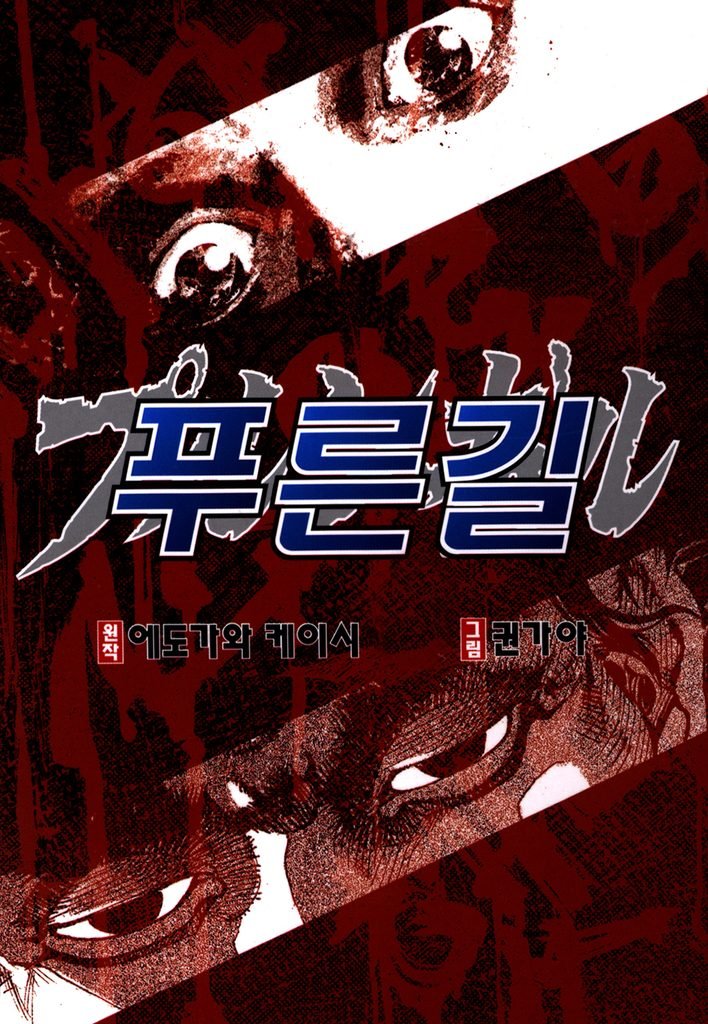
You could have read the opening mystery while the World Cup was still being played. In 2002, chapters appeared in comics magazines in Korea and Japan. In the Japanese magazine Weekly Comic Bunch, the issue dated June 7 carried the first installment. The Korean title is 푸른 길. The Japanese edition is プルンギル ―青の道―. Look for Edogawa’s name under story and Kwon’s under art.
That publication history explains why searches for the original novel turn up comics, and why a Blue Road webtoon search can lead you to a comic first published on paper. Netflix used the word “webcomic” in early publicity, and you can read a digital Korean edition today. The first readers, though, were turning magazine pages. The story was later collected in five print volumes. Calling it a manhwa or manga makes sense given who created it and where it ran.
The eight-episode adaptation premiered on November 20, 2026. For the official episode descriptions and streaming information, see The Blue Road on Netflix. Full spoilers follow.
The Tokyo crime scene gives Kim and Inose different evidence
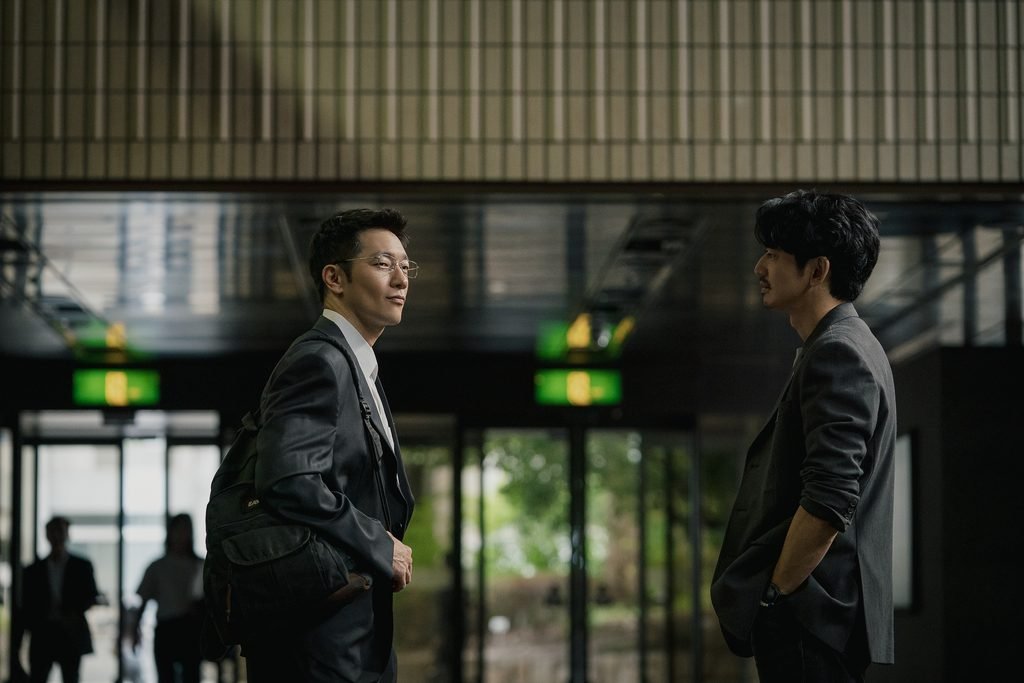
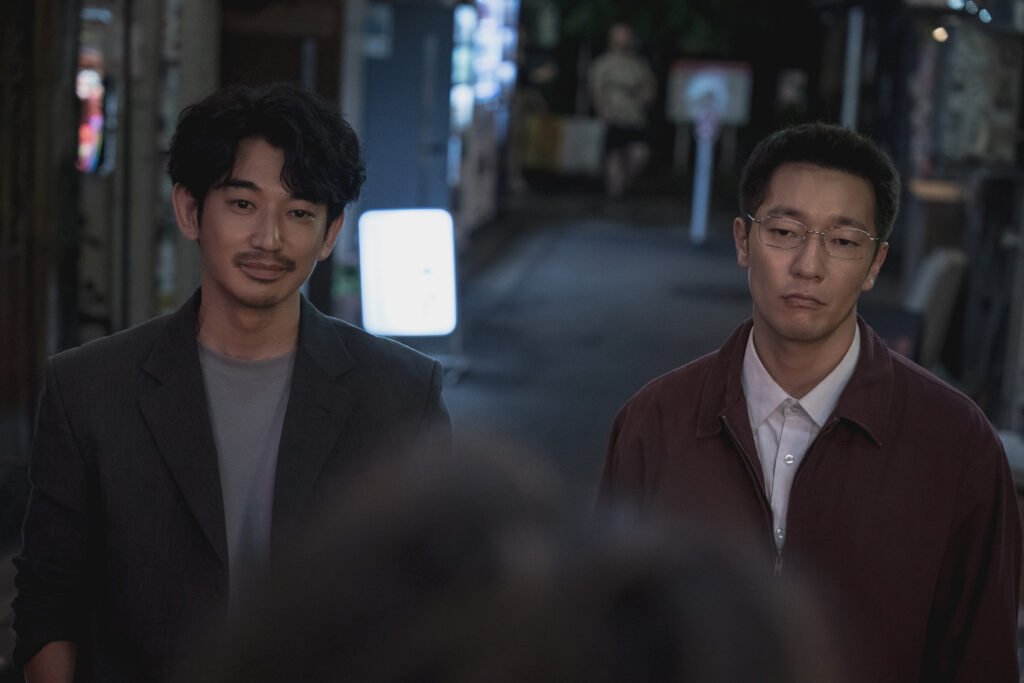
When Hiroshi Inose (Eita Nagayama) finds Miyashita Aki in Shinjuku, there’s Korean writing beside her body. A stranger is taking pictures. Inose goes after him and discovers he’s just chased a Seoul detective who can tell him something nobody at the Tokyo scene knows. Kim Seok (Son Suk-ku) has seen a body arranged the same way in Korea. The message there was written in Japanese.
The easy clue to miss is the spacing. Kim notices that the Korean words in Tokyo run together. Put both scenes side by side and even the choice of language starts to look deliberate. Someone wants a detective to stand where Inose is standing and draw a conclusion about a stranger across the water.
Then the partners speak to Mikogami, an imprisoned killer who learned about the poses from old newspapers. After the finale, the part of that interview I’d go back to is how little Mikogami had to know. A photograph in circulation means two people can leave almost identical crime scenes without ever meeting. From the first episode, a matching pose can connect two crimes without identifying either culprit.
What the piano tells us about Emi Shunsuke
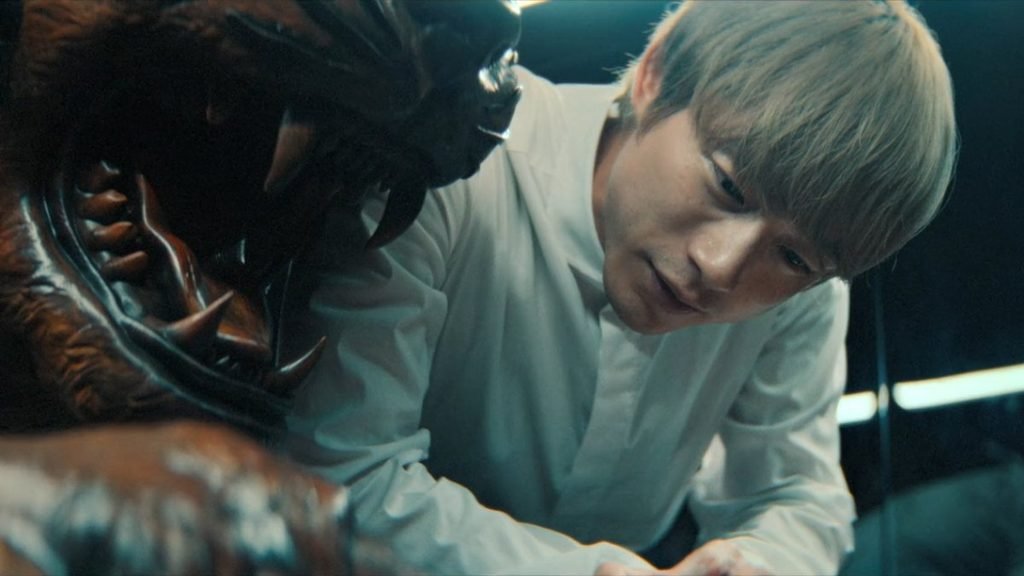
Lee Hyeon-seo gives the detectives something far more valuable than a photograph. She survived an abduction and remembers hearing a piano. She also recalls a shape resembling a tiger, a detail that gives fresh weight to an earlier witness in Tokyo. Following her account takes the partners to Emi Shunsuke, a pianist and sound artist. His invitation to a performance in Gunsan sounds like a taunt. It turns out he’s told them where to find him.
At the concert, Kim and Inose can hear Hyeon-seo before they can reach her beneath the stage. She dies there. Of all Emi’s cruelties, the one that bothers me most is what he does to her testimony. She trusted her memory enough to help the police find him. He makes those same officers an audience to her death.
Emi is responsible for the contemporary killings. Before he dies, he tells Kim that the person he copied is still alive. That explains why the series can identify a murderer halfway through and still have a mystery worth four more episodes.
The detail in the old records that changes the whole case
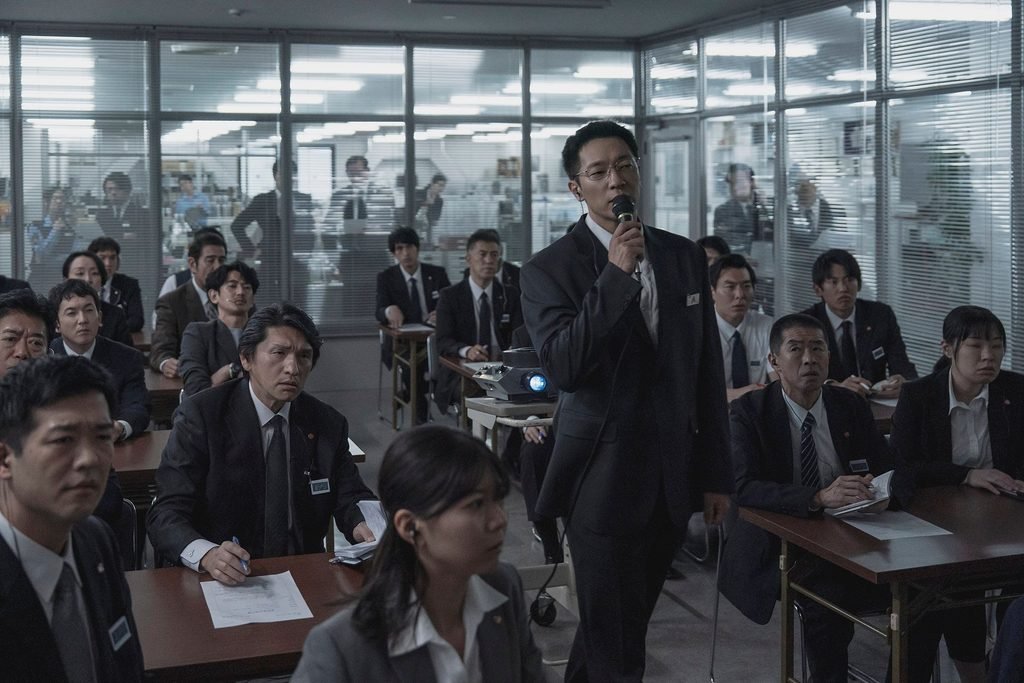
When Kim finally shares the older case records with Inose, the most revealing detail is the timing of the injuries. Emi’s victims were alive when he injured them. In the older cases, bodies were arranged after death. A photograph could show a detective the position of an arm. It couldn’t tell him whether the victim was alive when it was put there.
Now consider the same evidence from Kim’s position. Hong Du-yeong, the man he called his uncle, was among the victims found in 1987. Kim has a good reason to keep that file open long after everyone else moves on. He also has a very personal reason to accept the simplest account of it. Somebody killed a man he loved. If he can find the first person who left bodies like that, perhaps he can finally answer for his uncle.
I’d put those records ahead of any confession as the show’s fairest clue. Even if everyone involved kept quiet, the victims’ injuries would still tell a different story. Our episode-by-episode Blue Road recap follows how Kim gets from that discovery to Seo Hyun-tae.
So who invented the “original killer”?
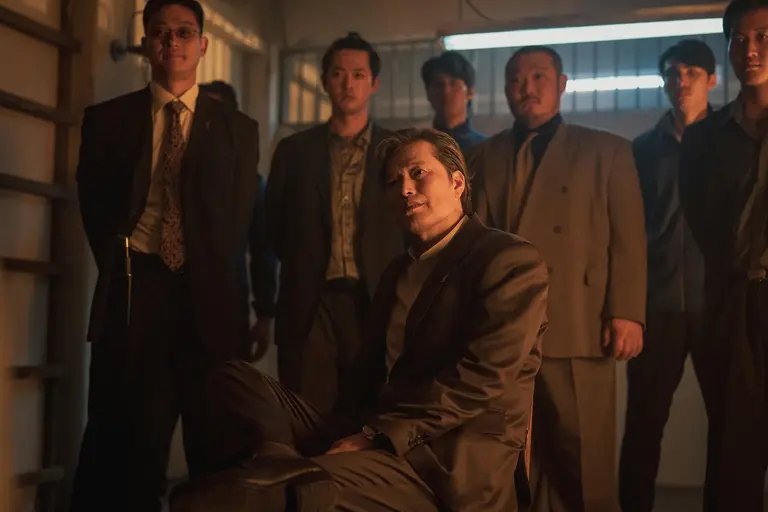
In Hong Kong, Hyun-tae describes an interrogation unit known as the Print Shop. A detainee died. The people responsible staged the body so that anyone finding it would look for a murderer outside the unit. When other deaths needed explaining, the same arrangement served the same purpose. The newspapers gave that invented killer a history. Years later, a copycat could open a paper and find a model waiting for him.
The cruelest part of Hyun-tae’s account comes in Central Asia. Du-yeong worked for the Print Shop and helped kill Kim’s father. A photograph taken from the dead man’s wallet led him to Kim’s mother. The man who helped bring Kim up knew what had happened to his missing father all along. Hyun-tae later killed Du-yeong himself.
So if you’re trying to put one name beside every body, the show gives you good reason to stop. Emi committed murders. Hyun-tae killed people too. And the unit benefited every time an investigator attributed its work to a lone stranger. Finding Emi solves Hyeon-seo’s case. It could never explain how Du-yeong came to have a photograph of Kim’s mother.
The history behind the World Cup crowds and Anastasia’s road
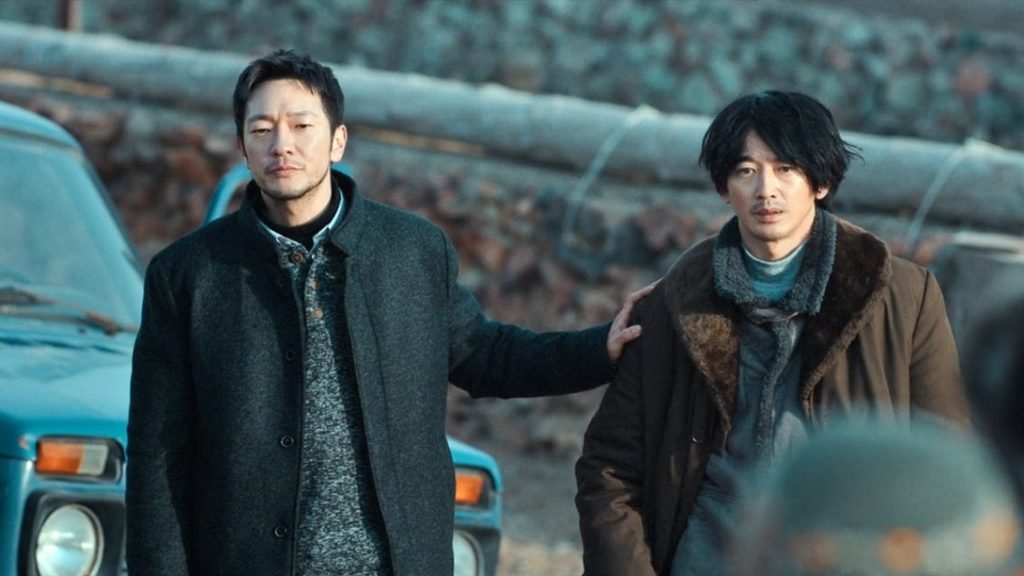
The World Cup gives these events a place in living memory. South Korea and Japan co-hosted the 2002 tournament. Inose turning up at a Seoul police station in a Japan football shirt is funny because everybody there knows exactly what he’s wearing. By the time officers are diverted to tournament duties and Emi is giving a pre-match concert, the football has also changed who is available to look for Hyeon-seo.
Anastasia’s account of the Blue Road reaches back much further. In 1937, Soviet authorities forcibly transported roughly 172,000 ethnic Koreans from the Soviet Far East to what are now Kazakhstan and Uzbekistan. Historian J. Otto Pohl documents that removal and what happened to the families after their arrival in The Review of Korean Studies.
In the drama, Anastasia connects the road’s name to the tears of displaced Koreans. Her mother taught her Korean and wanted to take her to Korea. What sticks with me is Anastasia’s entirely reasonable doubt about calling a country she has never lived in “home.” The deportations belong to the historical record. The story about the road’s name is the explanation this character gives Kim.
Why the classroom ending feels like a real case file
In the original comic, the Korean detective is Kang Cheong-do, and a Seoul street carries the Blue Road name. The TV adaptation changes the detective’s name, makes his family part of the mystery and lets Anastasia explain the title far from Seoul. DaebakDaily’s comic and Netflix comparison traces how differently the two investigations develop.
Those changes pay off when Anastasia becomes the officer at the front of the classroom. Give her students a crime-scene picture and one of them imagines a particularly disturbed individual. Fair enough. Inose had the body in front of him, years of police work behind him and every reason to make a similar mistake. What the students need is the piece of history missing from the photograph. Now somebody can teach it.
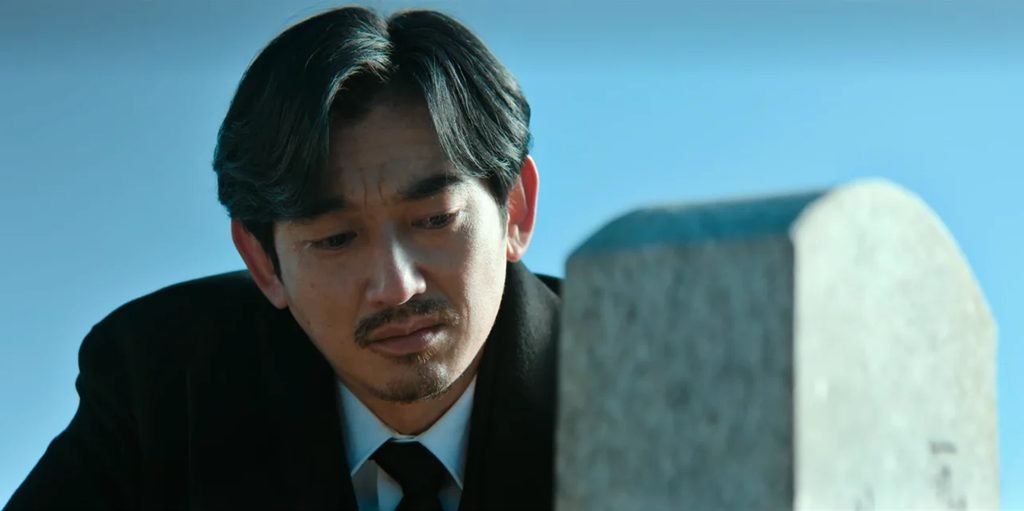
The visit to Kim’s grave comes afterward. It gives Inose a moment to grieve for the friend whose work made that lesson possible. If it was the grave that sent you looking for a real Detective Kim, I understand the impulse. For what Inose means when he speaks there, see our explanation of The Blue Road’s final scene.
Questions viewers ask about The Blue Road
Is The Blue Road based on a true story about a Korean or Japanese serial killer?
No documented offender is credited as the model for the cross-border murders. There are two different kinds of copying in play. Netflix adapted an existing comic, and inside the Netflix story, Emi copied an older pattern of violence. Neither connection leads to a named real-world killer.
Is The Blue Road based on a manhwa, and can I read it?
Yes. Look for 푸른 길 by Keishi Edogawa and Kwon Kaya. It began in print and is available in Korean through Naver Series. If you encounter Kang Cheong-do instead of Kim Seok in the opening chapters, you’ve found the right comic.
Was the 1987 Print Shop case real?
The unit and its cover-up belong to the drama’s fictional investigation. The 1987 date tells you why Kim can remember a victim from childhood and why the evidence predates Emi’s concert by fifteen years. It doesn’t identify a historical murder file.
Is Anastasia teaching a real police case at the end?
She’s teaching Kim and Inose’s fictional case, twenty-four years after the investigation. The students have to make sense of evidence the audience now understands. Would you give that class Mikogami’s old newspapers first, or the medical records Kim kept? I’d love to hear your theory in the comments.