The Blue Road Comic vs Netflix Differences That Change the Case
Written by Huzaifa
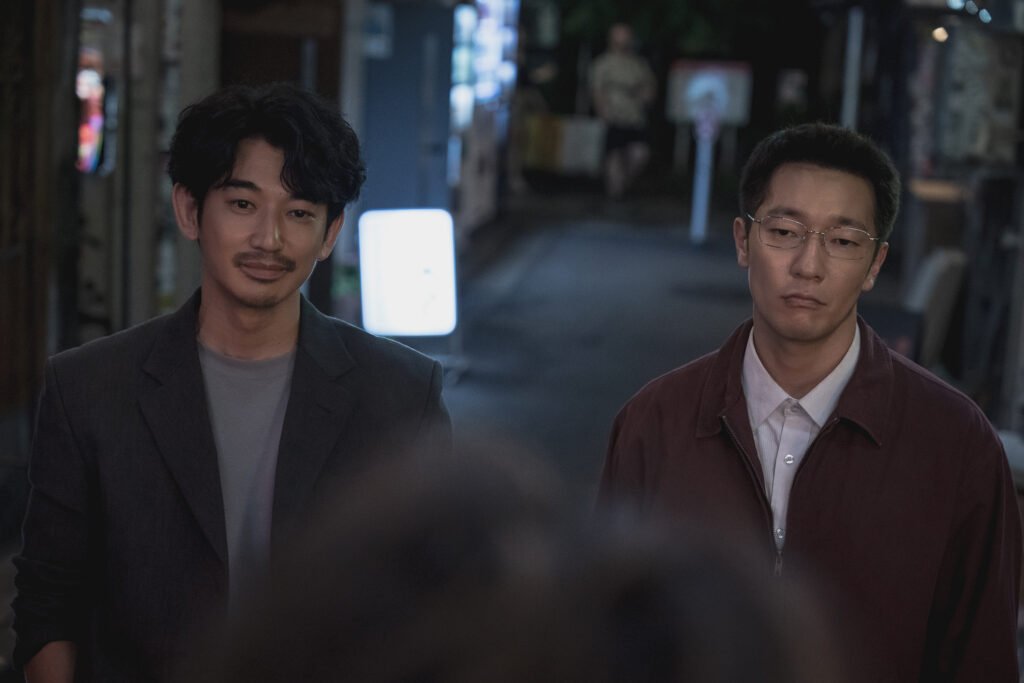
The biggest Blue Road comic vs Netflix differences are hiding in the title. In the original comic, the Blue Road is a Seoul street named for detective Kang Cheong-do. In the Netflix series, Kim Seok has to travel to Central Asia before someone can tell him what the name means. That’s my favorite change in the adaptation. The man who gave the road its name has become the stranger hearing its story for the first time.
Both versions begin with two cops, a twisted body in Tokyo and a message written in the language of the country across the water. From there, the comic follows a trail to a presidential assassination plot. Netflix follows a Seoul detective into the past of the man who raised him.
Spoilers for all eight Netflix episodes and the comic’s final volume follow.
| What to compare | Original comic | Netflix series |
|---|---|---|
| Korean detective | Kang Cheong-do, a young officer with a reputation in his Seoul neighborhood | Kim Seok, played by Son Suk-ku, with a personal stake in an older murder |
| Japanese partner | Inose is a veteran roughly a generation older than Kang | Eita Nagayama’s Hiroshi Inose and Kim face each other as peers |
| Where the clues lead | A military text, Kang’s teacher and a plot against President Park Chung-hee | The 1987 deaths, a government interrogation unit and the truth about Kim’s family |
| Who joins the investigation | Kang and Inose work the case with officers including Detective Sagawa | Yoon Soo-kyung, a government agent created for the series, has information the detectives need |
| Where to start | Five print volumes, also available in Korean in 51 installments | An eight-episode limited series released November 20, 2026 |
The original story gives Inose a reason to get the case wrong
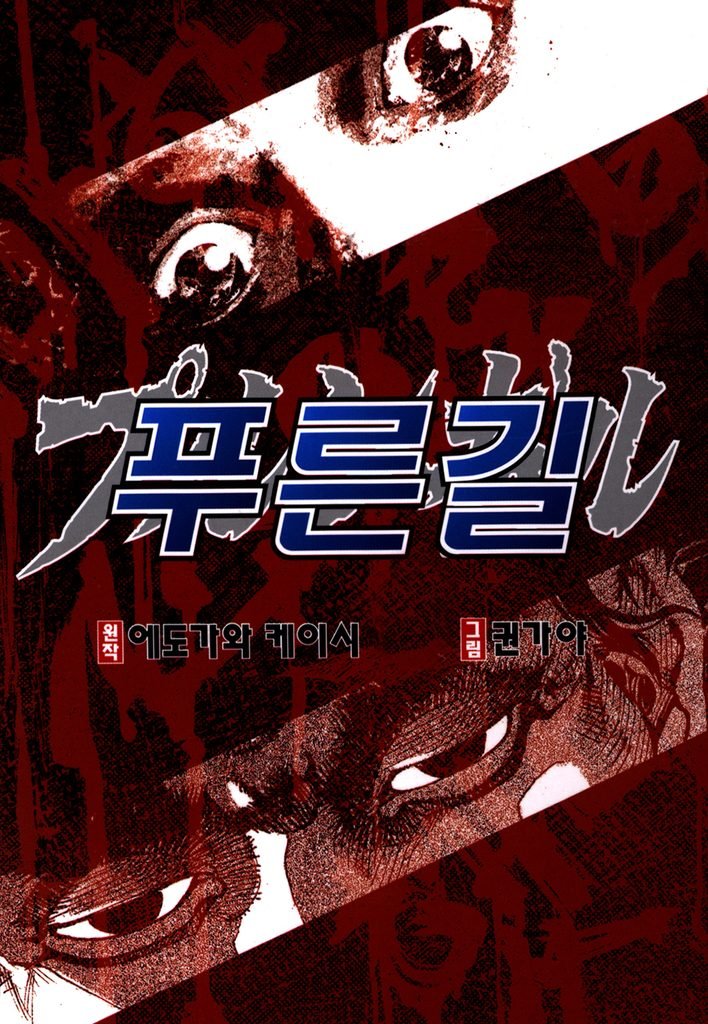
Writer Keishi Edogawa and artist Kwon Kaya began The Blue Road in 2002. It ran in magazines in Korea and Japan, so readers in both countries could follow the detectives as the installments came out. If you’ve seen it called a webtoon, that’s an easy mix-up to make now. The Korean edition on Naver Series lets you read the print-era comic a chapter at a time.
In the opening case, Inose sees Korean writing at the Shinjuku crime scene and suspects someone from Japan’s Korean community. Kang shows up with the one piece of evidence that can upset that reasoning. There have already been similar deaths in Seoul and Busan. At those scenes, someone left messages in Japanese.
I love how neatly that works. Look at one wall and you think you know something about the killer. Look at what’s written on both sides of the water and you learn something about the person reading the wall. Inose has mistaken the language of a clue for evidence of who left it. The comic gives him a compelling professional reason to listen to a younger detective who’s walked into his case.
Why Kang Cheong-do became a different kind of partner as Kim Seok
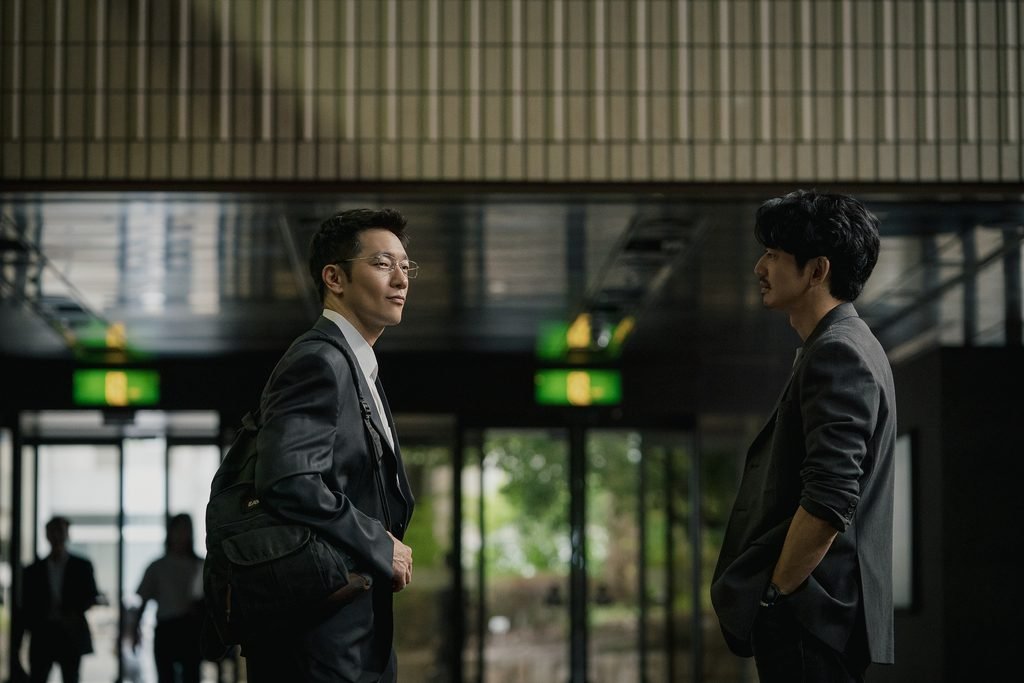
Netflix gives the two detectives an even worse first impression. In Episode 1, Inose spots Kim near the scene in Shinjuku, gives chase, and the two go tumbling down a store escalator. In the opening-weekend r/KDRAMA discussion, one viewer singled out that tumble because they could practically feel the steps. It’s a wonderfully specific reason to remember a first meeting. Imagine having to ask that guy to share evidence with you the next day.
The comic has an age gap big enough for Inose to be Kang’s father. On screen, either detective can plausibly decide the other needs taking in hand. Director Han Jun-hee said he wanted both men to be capable of leading the story. Episode 2 makes good on that idea. After Kim deceives the Japanese police and gets back to Seoul, it’s Inose who makes the next offer. He’s had time to reconsider the evidence. He also knows perfectly well what agreeing to work with Kim is going to cost his patience.
I’d give Netflix the edge on the partnership for that reversal alone. The first time Kim wants to cooperate, Inose can refuse. By the time Inose wants in, Kim’s on home turf. Each man gets a turn being the nuisance at somebody else’s station.
The blood writing connects both versions to a much older story
In the comic, Kang recognizes the source of the words left at the murders. They come from a military text attributed in the story to Emiri, a Japanese soldier who crossed over to fight for Joseon. A Korean detective can explain the writing at a Japanese crime scene because he knows the work of a Japanese man who fought on the Korean side. Try putting that neatly into either police department’s first suspect profile.
The connection runs through Kang’s own life. As Cine21 noted while the comic was still being published in 2003, Kang studied under Hong Du-yong, a descendant of Emiri. A Japanese researcher had also sought out the text. Suddenly it matters who could have read it, who passed it on, and who knew enough to quote it.
Netflix gives you a different lead to follow by Episode 3, when a survivor’s testimony points the detectives toward Emi Shunsuke. Episode 4 takes them to his performance venue. If you lost track of where Emi’s crimes end and the older killings begin, our episode-by-episode Blue Road recap traces the handoff. Identifying Emi answers a real question. It still leaves fifteen years of evidence to account for.
Volume 5 follows an assassination plot. Netflix follows Kim’s family

This is where I’d send anyone who thinks knowing the show will spoil the comic. In the Japanese publisher’s synopsis for Volume 5, the investigators uncover a plot to assassinate South Korean president Park Chung-hee. A man named Yasuda asks for police protection. He’s killed in transit, and so is Detective Sagawa, who was guarding him. Sagawa’s death drives Kang and Inose apart just when they most need to compare notes.
The series also splits the detectives up. In Episode 6, Kim is a fugitive in Hong Kong while Inose meets Yoon Soo-kyung, played by Choi Sung-eun. She’s a screen-original character, and giving her this particular meeting matters. Kim can press Seo Hyun-tae for answers about his past. He can’t be in the room to hear what an intelligence agent knows about Hyun-tae’s next move. For once, I’m glad Inose has somebody else to talk to.
The ugliest discovery belongs to Kim. Hong Du-yeong, the “uncle” who helped raise him, was involved in his father’s murder. There’s a nasty echo of the comic here. Both Korean detectives owe something to an older man connected to the case. Kang’s education helps him read the evidence. Kim’s upbringing makes one piece of evidence almost impossible for him to accept.
Why the Blue Road moves from a Seoul street to Central Asia
Volume 1 locates the Blue Road outside Kang’s childhood home. As a schoolboy he drove a gang out of the neighborhood, and the street took its name from him. In a district marked for redevelopment around the World Cup, people can still point to that stretch of road and tell you who once lived there. Long before he meets Inose, Kang is already somebody’s local legend.
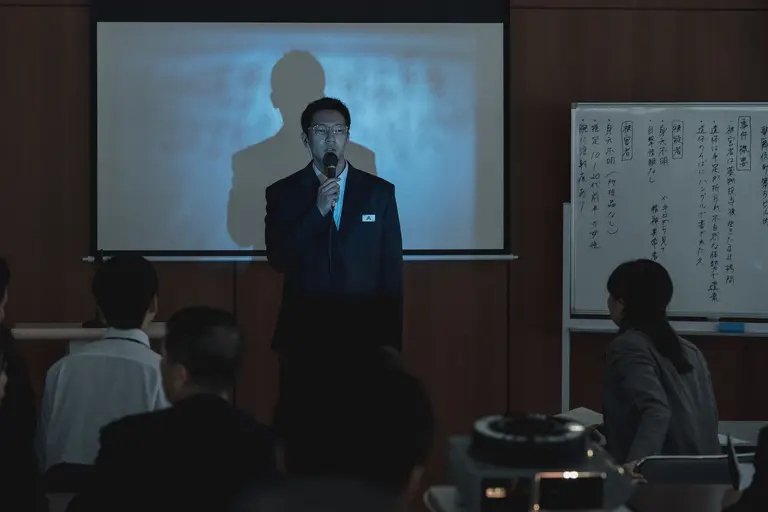
Anastasia gets to tell the title story in Episode 8. In Central Asia, she explains the name through the tears of Koreans forced far from home. Her mother taught her Korean and hoped they’d go to Korea together. Anastasia has never lived there. When she questions what going “home” would mean for her, Kim has enough sense to listen.
I prefer the comic’s street as an introduction to a detective. You can picture a kid walking past his old neighbors after his first day on the force. For a farewell, though, I’d take Anastasia’s version. Years later she’s a police officer teaching the case herself. The young woman Kim met on the road gets to decide what the next roomful of detectives will learn about him.
Does Netflix keep The Blue Road’s original ending?
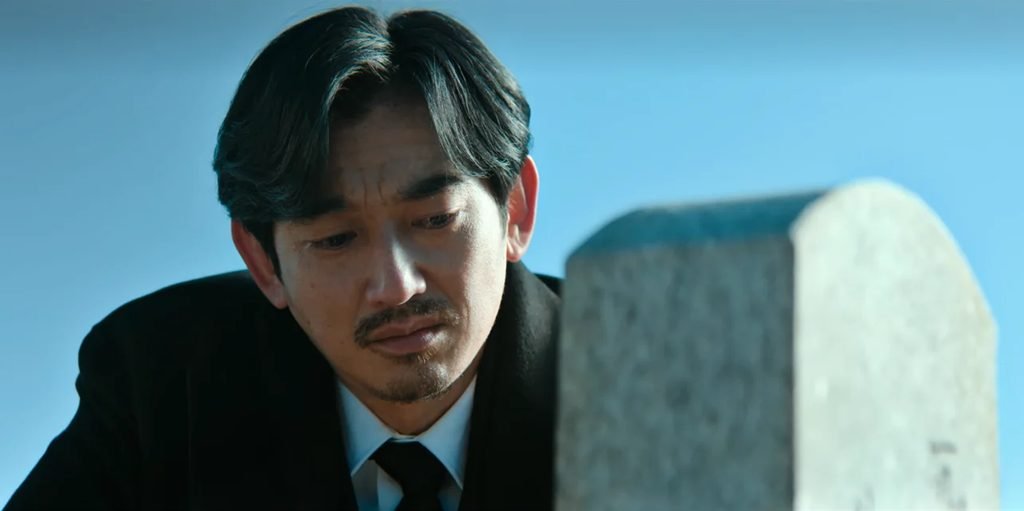
The endings differ. Korean critic Park Jin-young singled out the changed ending in her JoyNews24 review, and Han said the production revised its ending several times. The publisher’s Volume 5 synopsis follows Kang and Inose as far as their falling-out over Sagawa. It stops before Kang’s fate is revealed. Whether he survives the comic’s final pages is the one comparison I couldn’t verify.
On Netflix, Kim makes it to the cliff with every reason to kill Hyun-tae. Inose persuades him to lower his weapon. Hyun-tae shoots him, and Kim dies in his partner’s arms. Twenty-four years later, Inose visits his grave with Anastasia. One viewer on the Korean forum theqoo wondered whether Inose’s promise to remember extended beyond Kim. I read it that way too. Anastasia has just taught a classroom full of people about this case. Remembering his friend and remembering the people in those crime-scene photographs can happen in the same breath. Our explanation of the final handshake takes a closer look at what Inose still needs from Kim.
Should you read the comic or watch the Netflix series first?
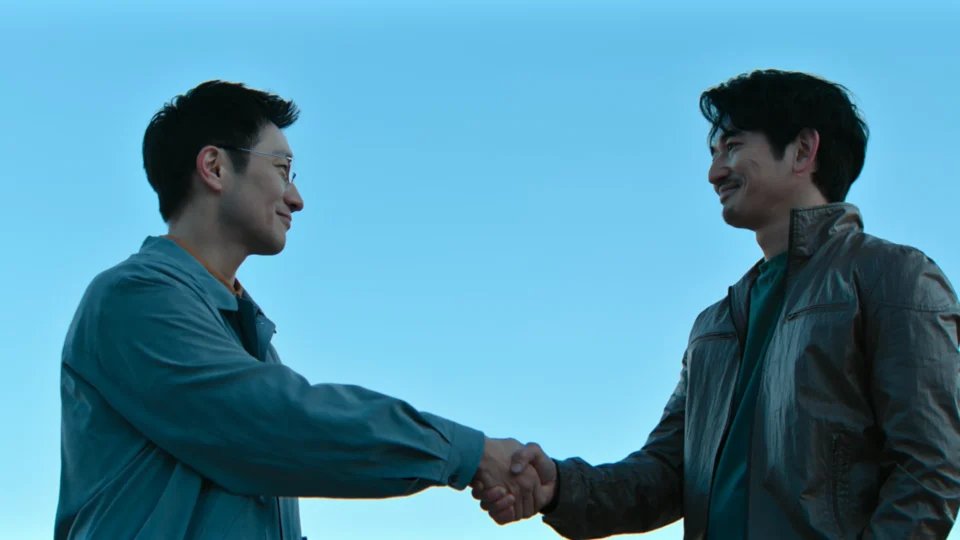
Read the comic first if your favorite moment is a detective realizing he’s interpreted a clue backwards. Start with the two languages on the walls, then pay attention to who can recognize Emiri’s writing. There’s real pleasure in seeing how much of a head start Kang has on Inose before either man understands what they’ve walked into.
Watch Netflix first if the scene you care about is the one where an officer has to talk his partner into putting down a gun. My vote goes to the series for Kim and Inose, though I missed their bickering once Hyun-tae took over so much of Kim’s time. That escalator bought a ridiculous amount of goodwill from me.
If you could keep only one explanation for the title, would you choose Kang’s street in Seoul or the story Anastasia tells Kim in Central Asia?