The East Palace Review: Nam Joo-Hyuk’s Comeback Earns Every Bit of the Hype
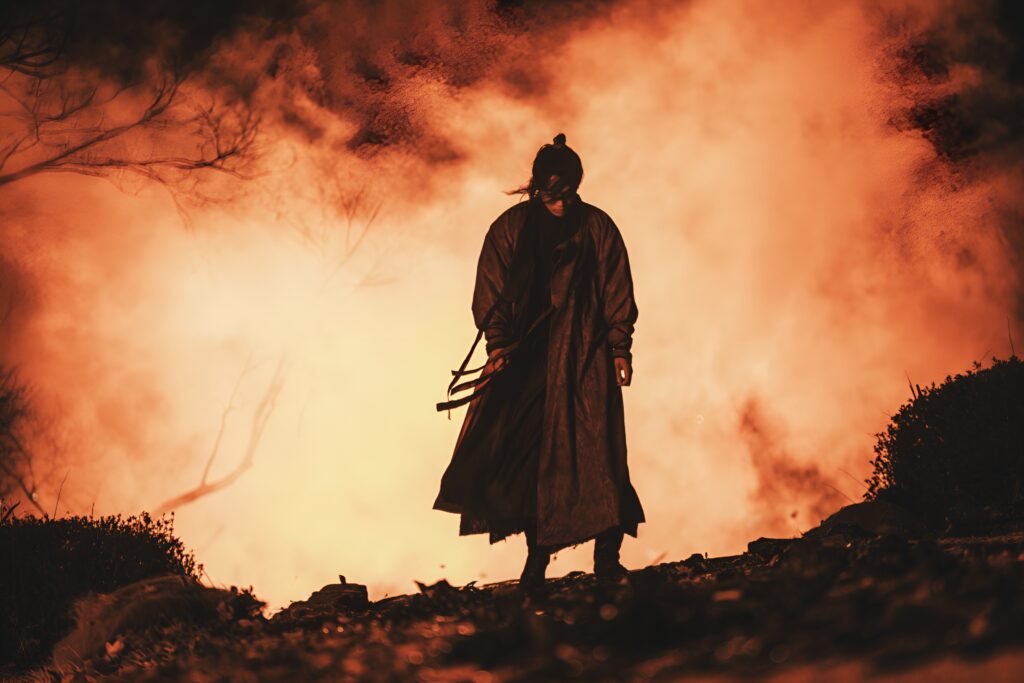
I’ll admit it: “K-drama meets Stranger Things” pitches usually make me roll my eyes. Every other year some show promises that exact genre mashup and delivers a pretty period piece with a cheap ghost slapped on top for marketing purposes. So when Netflix started teasing The East Palace as exactly that kind of hybrid, I went in fully ready to be unimpressed. Eight episodes and one lost weekend later, I’m writing this The East Palace review because I need to talk about how wrong I was.
Some context if you haven’t been following 2026’s K-drama calendar: this is Nam Joo-hyuk’s first project since wrapping his mandatory military service, and it doubles as his comeback after a rough stretch of public scrutiny that had nothing to do with his acting. Nam Joo-hyuk’s The East Palace comeback might honestly be the most talked-about K-drama return of the year, and that’s a lot of pressure to put on one dark fantasy period drama. The East Palace kdrama handles that pressure by mostly ignoring it and just being a solidly built piece of Joseon-era horror. 2026 has quietly turned into the year of the K-drama comeback story, by the way. I already covered Lee Dong-wook’s return in my A Shop for Killers Season 2 review, and now it’s Nam Joo-hyuk’s turn to prove he’s still got it.
Here’s the short version, if you’re deciding whether to hit play tonight:
The Verdict (No Spoilers)
The East Palace is a properly strong sageuk-horror hybrid: gorgeous production design, a spirit world built on real Korean folklore instead of borrowed aesthetics, and a lead trio with real chemistry. The first two episodes ask for patience. Everything after that earns its spot in Netflix’s 2026 lineup. 9/10.
You can watch The East Palace on Netflix right now — all eight episodes dropped the same day, so there’s no waiting around for a “part 2” release.
What’s It Actually About? (Spoiler-Free)
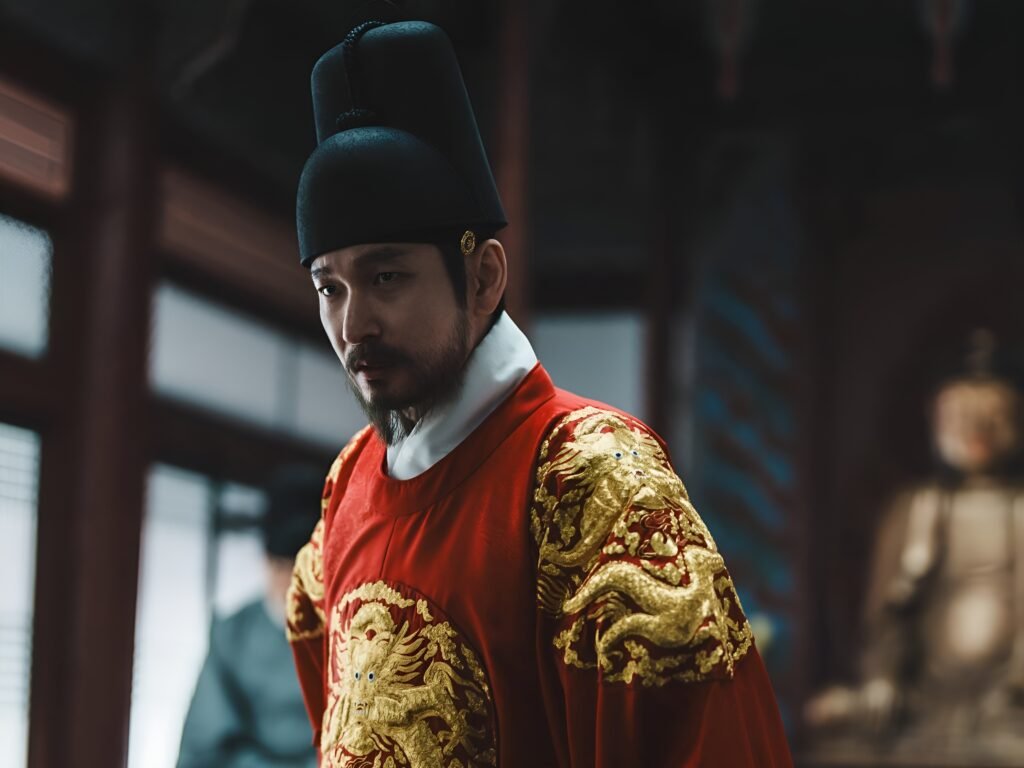
The East Palace is set in a fictionalized version of the Joseon dynasty, in a Korea where the wall between the living and the dead is thinner than anyone in the royal court wants to admit. Thirty years before the story starts, a curse fell over the royal bloodline. It’s happening again: the crown prince is found dead in a palace pond, and the rumor spreads fast that the same vengeful spirit responsible for the original curse has come back to finish what it started.
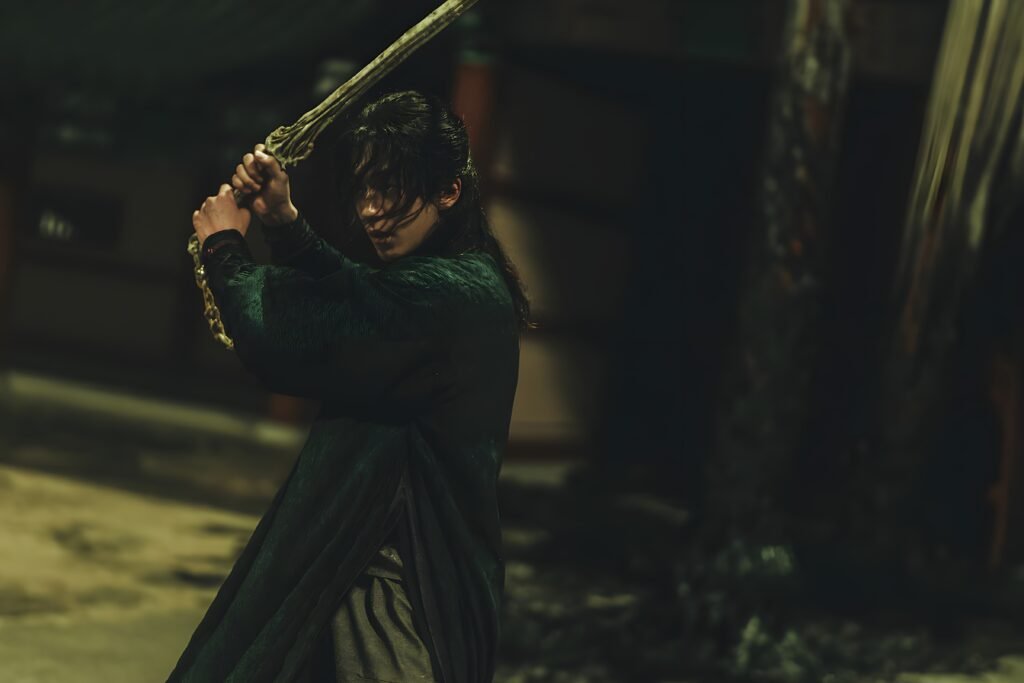
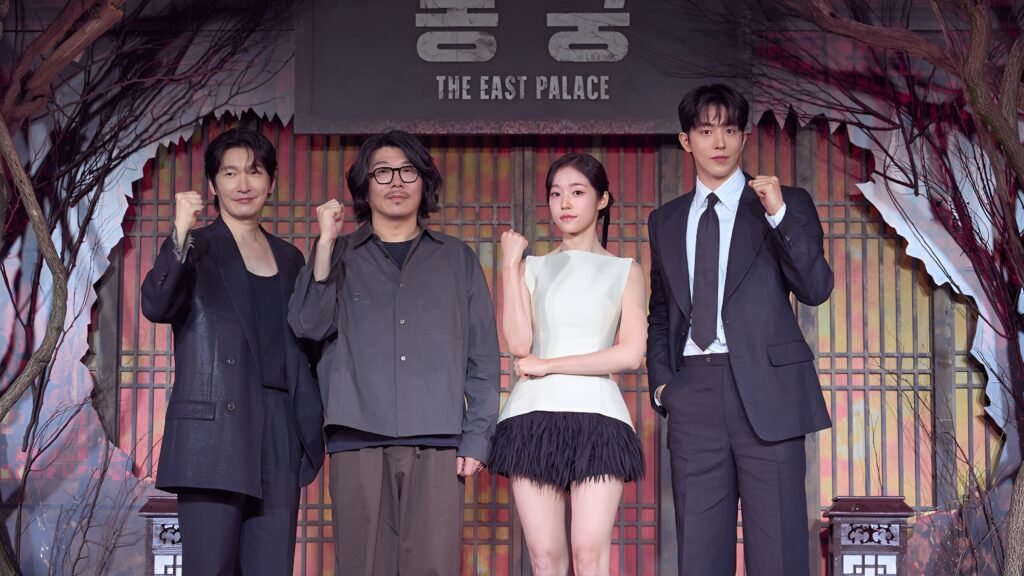
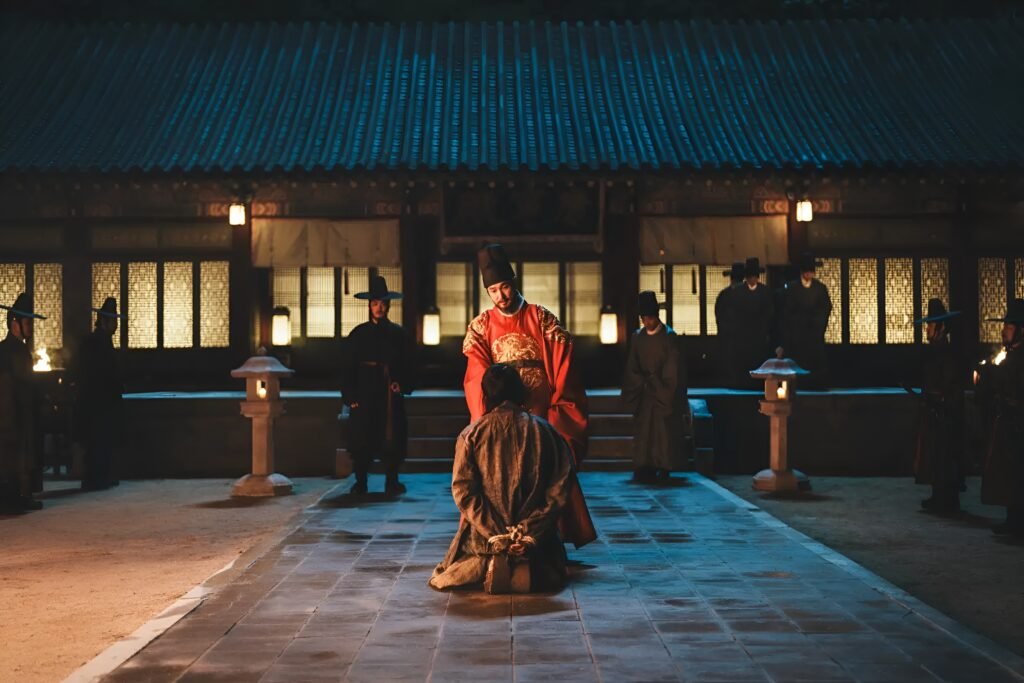
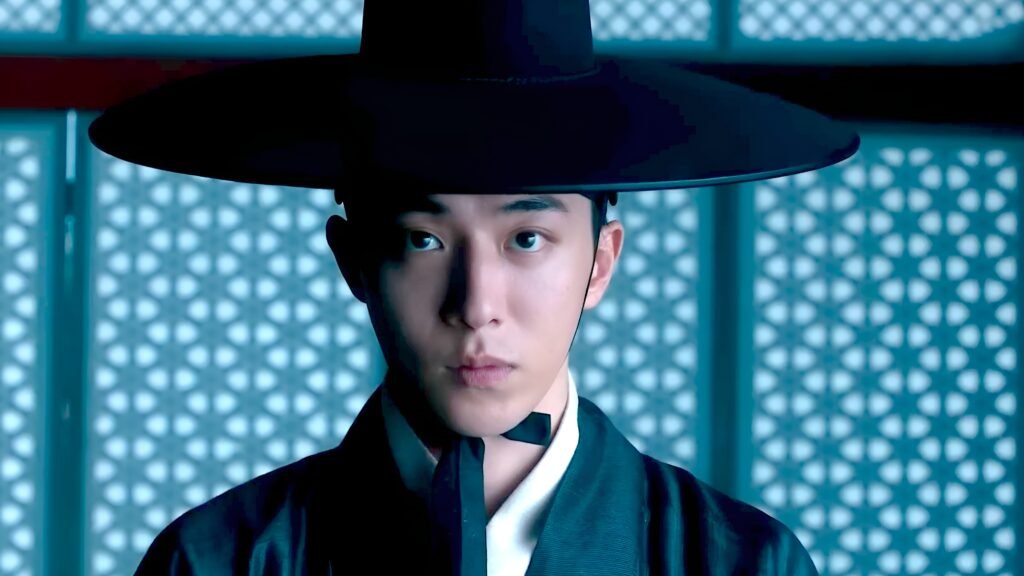
When the king’s last surviving son, Prince Yeongan, falls gravely ill too, King Ju-sang (Cho Seung-woo) does something he swore he’d never do. He secretly summons Gu-cheon (Nam Joo-hyuk), a blade-wielding spirit slayer who can cross into the Realm of Gwi, the parallel world where the region’s ghosts actually live. To keep Gu-cheon in line — and to make sure he doesn’t just fix the problem and disappear — the king pairs him with Saeng-gang (Roh Yoon-seo), a court lady with the rare and unwanted ability to hear the dead.
That’s the pitch. Two people who’d rather not be doing this, forced to work together to figure out what’s really haunting the East Palace before the royal bloodline runs out completely, or before the palace kills them first. It’s a lot of moving parts to set up in eight episodes, and the show knows it.
What Works
Here’s where this The East Palace review gets into specifics.
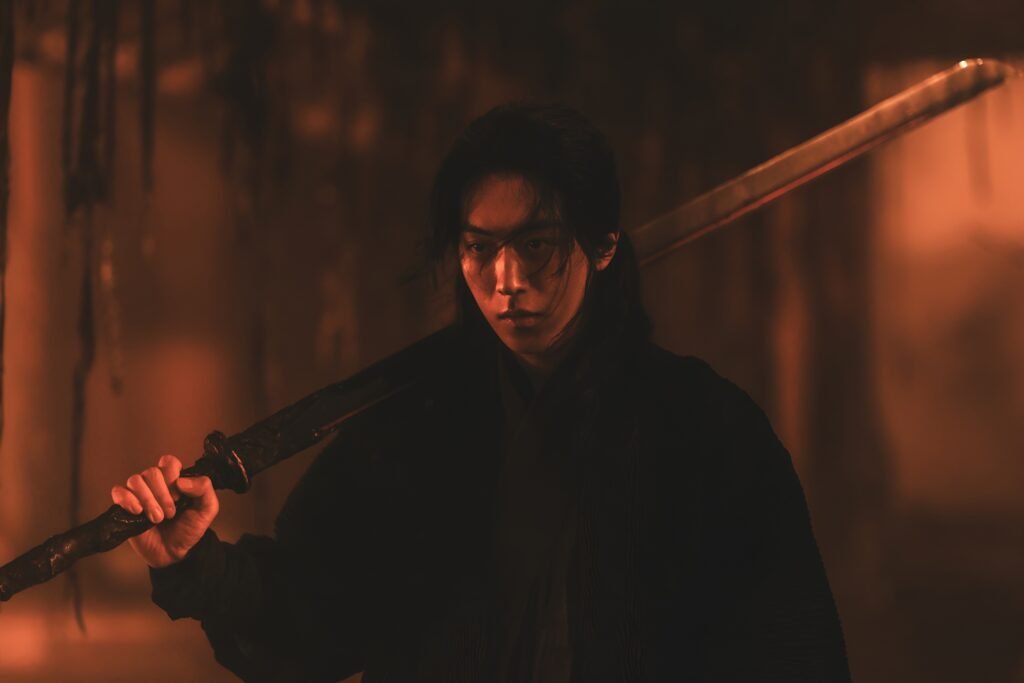
The cast sells everything. Nam Joo-hyuk plays Gu-cheon like a man exhausted from decades of seeing things nobody else can, and it works. There’s real weight behind the character’s flat affect, plus enough dry comedic timing to keep him from turning into a mopey stereotype. Coming back after three years away is a big ask for any actor, and Nam clears the bar. Roh Yoon-seo is the actual standout, though. Saeng-gang could have been a generic “cursed girl with a secret” role, and instead Roh plays her with a steel and specificity I haven’t seen from her in anything else she’s done. Cho Seung-woo rounds out the trio as King Ju-sang, flipping between fatherly desperation and cold political ruthlessness, sometimes within the same scene. It’s exactly what a morally gray monarch needs. Jang Young-nam, as the Queen Dowager, quietly steals every scene she shares with him.
The mythology has actual bones. Instead of inventing a generic “spirit world” with vague rules, the writers built the Realm of Gwi out of real Korean folklore. There’s a whole classification system: gwisin as the general term for restless ghosts, gwi-mae as one specific type, won-gwi as especially vengeful spirits, and ggeomeoksali as creatures that literally drain the life energy, or Yang, out of the living. Gu-cheon himself runs low on Yang from years of crossing over, which is why Saeng-gang’s abundance of it becomes an actually useful, plot-relevant pairing instead of just a cute detail. It’s the kind of world-building that rewards paying attention instead of punishing you for zoning out.
The chemistry is real, and it’s not a romance rush job. Gu-cheon and Saeng-gang start out as opposites — one drained and reluctant, one terrified of a gift she never asked for — and the show lets their trust build slowly across the season instead of forcing a love story by episode two. By the back half, I actually cared what happened to both of them, which is more than I can say for most eight-episode dramas trying to juggle this much plot.
The production value is legitimately excellent. Creature design and practical effects carry a lot of the horror here, and it shows — no two spirits look alike, and the makeup work is unsettling in the best possible way. The palace sets, the costuming, the way the camera lingers on the Realm of Gwi as a warped mirror of the real world. All of it looks expensive, and all of it looks intentional.
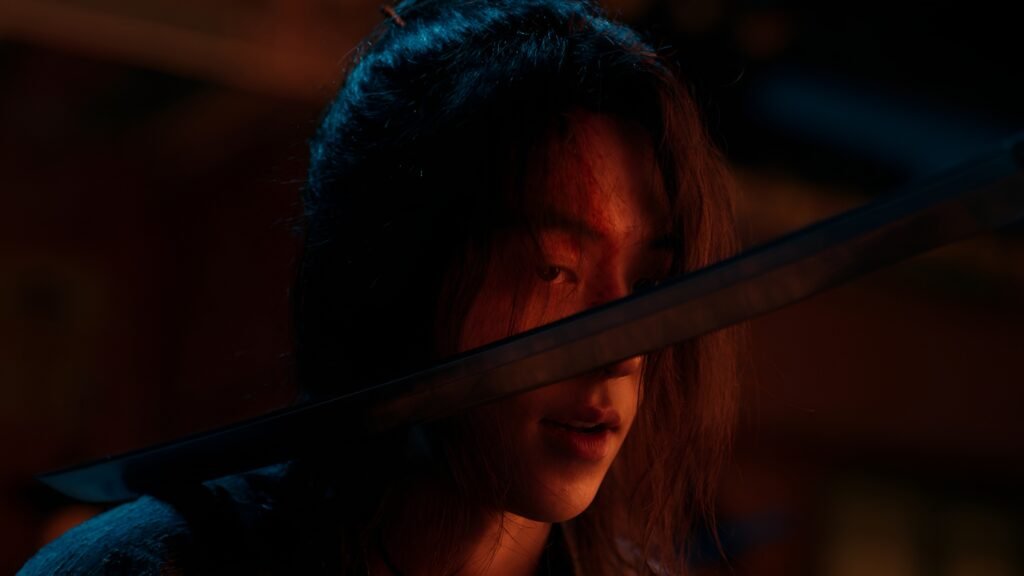
Now for the personal part. The East Palace Netflix release means all eight episodes land the same day, and I told myself I’d watch two of them and go to bed like a normal person. That did not happen. I was still awake at 3 a.m. hitting “next episode” because episode 5 ends on a reveal I did not see coming at all. There’s also a scene involving a ggeomeoksali later in the season where I actually paused and put my phone face-down for a second — not because it was gory, but because the sound design got under my skin in a way most K-horror doesn’t even attempt.
What Doesn’t Work
Nothing here is perfect, and I’d be lying to you (and to Google’s algorithm) if I pretended otherwise.
The first two episodes are a lot. The East Palace episode 1 moves fast, almost too fast — it throws curse lore, court politics, and three different spirit classifications at you before you’ve had time to care about anyone involved. It clicks eventually, but the first ninety minutes ask you to trust the show before it’s fully earned that trust.
A few of the twists are guessable. If you’ve watched a decent amount of sageuk-mystery hybrids, you’ll probably call one or two of the mid-season reveals before the characters do. The execution is still satisfying, but “satisfying” and “surprising” aren’t the same thing, and this show leans more on the former in a couple of spots.
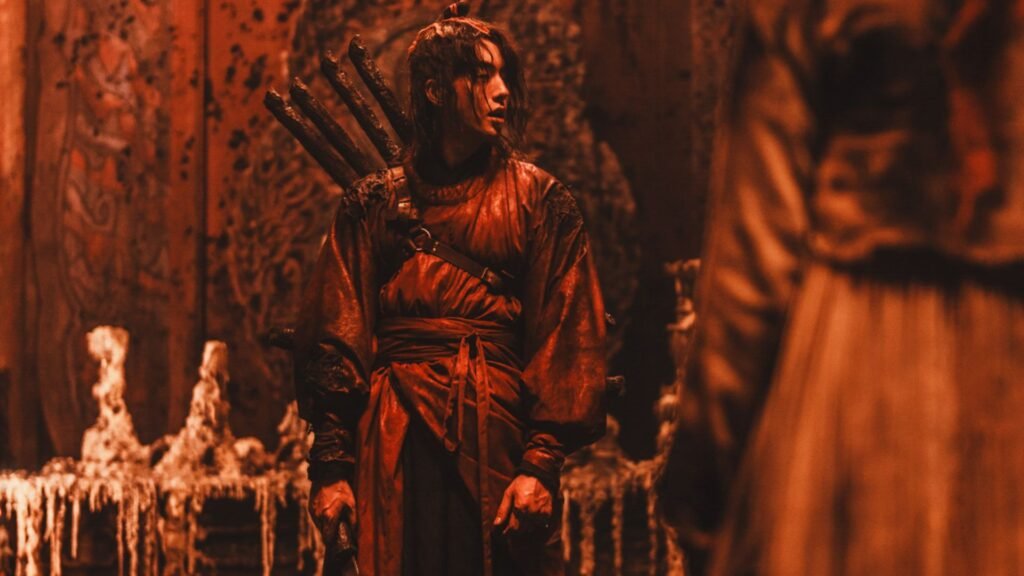
The soundtrack occasionally works against itself. Most of the score is exactly what this needs: heavy on traditional strings and percussion, properly moody. But a handful of action-scene cues lean so modern they yank you straight out of the Joseon setting, and a couple of fight scenes are lit so darkly you lose track of the choreography entirely. I even saw one critic flag the mythology itself as a little overstuffed, and I get where that’s coming from. There’s a stretch around the midpoint where three spirit types get explained back-to-back and it briefly turns into a lecture.
A couple of court subplots feel rushed. With this much mythology and this many named characters to track, a few minor threads get introduced and wrapped up so quickly they barely register by the finale.
Who This Drama Is For
If you liked Kingdom for the sageuk setting, or Stranger Things and Sweet Home for the creature-horror of it all, The East Palace kdrama is going to scratch that exact itch, just with hanboks instead of bomber jackets. It’s also a great pick if you’re a Nam Joo-hyuk fan curious how his comeback holds up, or if you generally prefer your sageuk with horror driving the plot instead of romance.
If you came to this The East Palace review hoping for something as light as my My Demon review, redirect that energy elsewhere. This isn’t a rom-com, there’s no fluffy will-they-won’t-they, and a few of the ghost designs are actually upsetting. Save My Demon for when you want butterflies. Come back to this one when you want dread.
Final Rating: 9/10
I’m landing on 9/10 for this The East Palace review, and the missing point comes almost entirely from that rocky first stretch and the handful of soundtrack and lighting choices that pull you out of the moment. Everything else — the cast, the folklore-grounded mythology, the slow-burn partnership at the center of it — is close to the best version of this kind of show Netflix has put out this year. Early numbers back it up too: it’s sitting around 90% on TMDB’s user score and 8.2 on MyDramaList just a couple of days after premiering.
If you’re only here for the spoiler-free verdict, this is your exit. Everything below breaks down the ending in detail.
⚠️ Spoiler Warning: How The East Palace Last Episode Actually Lands
Stop here if you haven’t finished the season. Seriously.
Still with me? Good, because the ending earns a real discussion. A few episodes before the finale, a gwi-mae tells Gu-cheon flatly that he’s going to die that night, and that warning hangs over every scene that follows it. It’s a smart piece of dread-building, because by that point the show has spent enough time on Gu-cheon and Saeng-gang’s bond that the threat actually lands emotionally instead of just raising the stakes on paper.
The bigger twist, though, is that the real villain of The East Palace was never fully supernatural to begin with. The pond spirit and the curse are real, but the deaths piling up around the royal family are just as much about human greed and the fight for the throne as they are about vengeful ghosts. That’s the show’s smartest structural choice: the humans are scarier than the spirits, because the humans keep making the same selfish decisions even after watching what those decisions cost them.
The East Palace last episode resolves almost everything. Gu-cheon and Saeng-gang both make it out, and their relationship lands somewhere between found family and the romance that hasn’t happened yet, but might. Saeng-gang’s own backstory gets its final piece too — her connection to the royal bloodline turns out to be far more personal than a random assignment from the king. Most of the people responsible for the killings get exactly what’s coming to them. King Ju-sang is the interesting exception: the show spares his life, since removing him from the throne would’ve thrown the kingdom into the exact instability the curse was always trying to cause. Instead, he gets something arguably worse — he’s left to live out his life haunted by the spirits of everyone he’s wronged, fully aware of what he did and unable to escape any of it.
It’s a thoughtful way to end a show about a curse rooted in buried history: the message isn’t that evil gets punished, it’s that evil doesn’t disappear just because you refuse to look at it. For an eight-episode Netflix drama with this much plot to wrangle, that’s a stronger thematic landing than I expected walking in.
So, did The East Palace ending hit you the same way it hit me, or did you see the human-greed twist coming from episode one? Drop your own rating in the comments below, because I want to know if I’m the only one already hoping for a season 2.