Does The East Palace Have Romance? Gu-cheon & Saeng-gang Explained

Spoilers ahead for all 8 episodes.
You finished Episode 8. Saeng-gang wades into the river, screaming at a man who isn’t there. Three days later she’s crying into his shoulder. Then they walk out of the palace gates side by side — and the show just… ends. No kiss. No confession. No time skip with a baby.
So you opened your phone and typed the exact thing everyone else typed: does The East Palace have romance, or did I imagine all of that?
You didn’t imagine it. But the answer is more interesting than yes or no.
Quick Answer
No — The East Palace is not a romance drama, and Gu-cheon and Saeng-gang never kiss or confess. But the show absolutely has a love line in the loose sense: a slow-burn bond built on two people repeatedly trading their lives for each other. Netflix classifies it as dark fantasy horror, not romance.
First, what the show is actually filed under
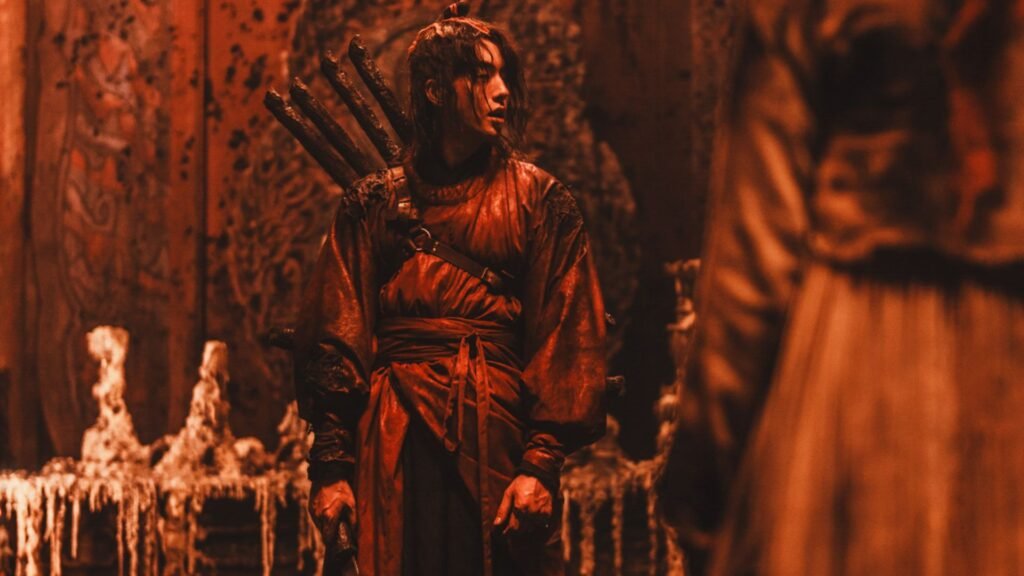
Netflix dropped all eight episodes of The East Palace on July 17, 2026. It’s directed by Choi Jung-kyu (The Devil Judge) and written by Kwon So-ra and Seo Jae-won — the same pair behind The Guest and Bulgasal: Immortal Souls.
Look at that writing credit for two seconds and the romance question mostly answers itself. Those are occult-mystery writers. They build shows about grudges, not couples.
The genre tags on MyDramaList back it up: action, historical, horror, fantasy. Romance isn’t listed anywhere. So if you went in expecting The Haunted Palace energy — ghost hunter marries the girl, epilogue, toddler, done — that expectation came from somewhere reasonable, and the show quietly declined to give it to you.
The east palace love line, beat by beat
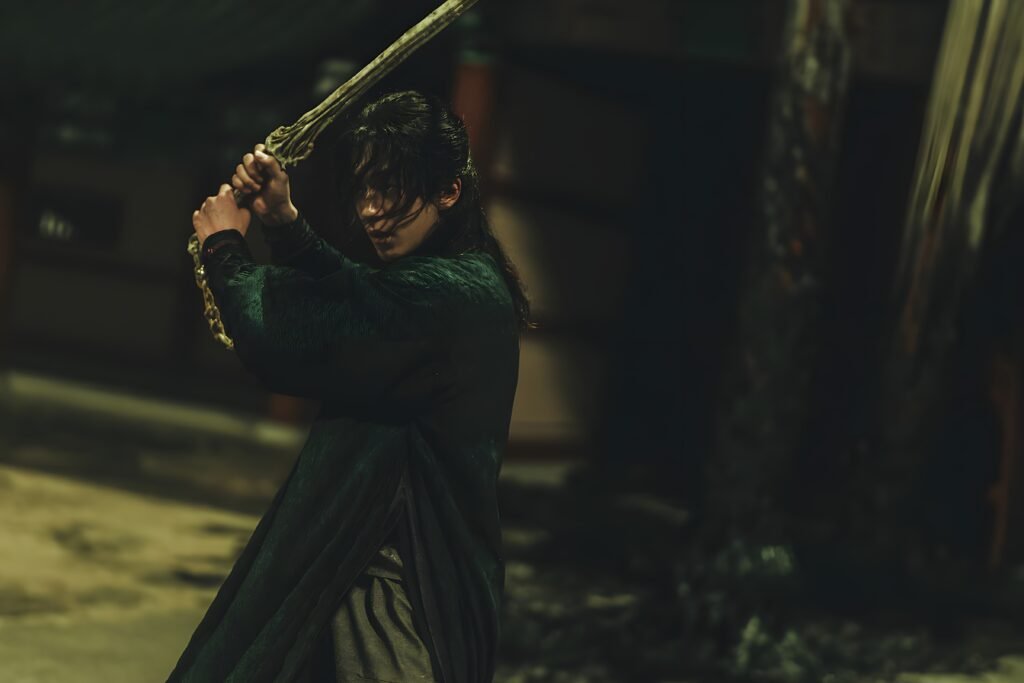
Here’s the thing though. Asking does The East Palace have romance and asking whether the leads love each other are two different questions.
Episode 1–2: pure transaction. The King forces Gu-cheon into service — kill the pond spirit or never leave the palace alive. He assigns Saeng-gang as Gu-cheon’s guide and, secretly, as his handler. She’s there to report on him. That’s the starting point: a spy and a hostage.
Episode 2: the first save. Gu-cheon goes under and doesn’t come back up. Saeng-gang drags him out of the pond. It’s also the moment he works out she’s the King’s illegitimate daughter, because her royal blood pulled the spirit’s attention. They strike a pact — he keeps hunting, she gets her mother’s truth.
Episode 3: the scene I had to rewatch. He wakes up disoriented and briefly puts his hands around her throat before collapsing again.
I skipped past that the first time as a horror beat. Watching it again, it’s clearly the writers planting a flag: crossing into the Realm of Gwi drains Gu-cheon’s yang energy, and when he’s drained, he isn’t reliably himself. That’s not a guy the show can safely hand a romantic arc to. It’s setup for what he becomes in Episode 8.
Episodes 4–7: bickering into trust. They investigate the salt storehouse ghosts, the talismans in the prince’s chambers, the thirty-year-old cover-up. She hears; he fights. Somewhere in there they stop calculating and start covering for each other.
The finale everyone is rewatching
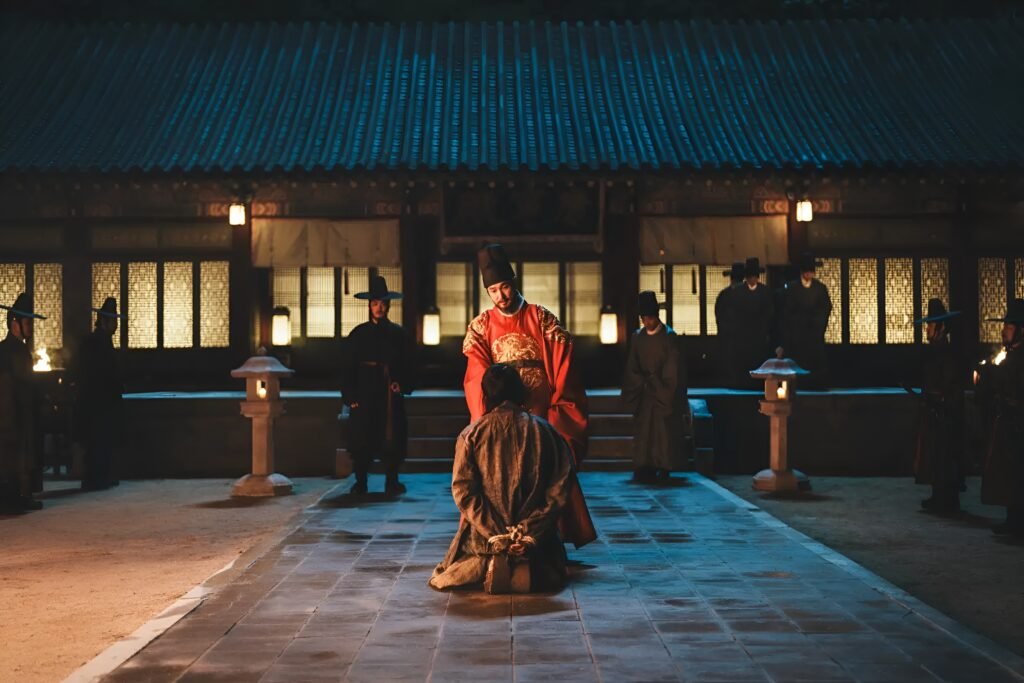
This is where the east palace love line does its heaviest lifting.
A gwi-mae delivers a premonition: Gu-cheon dies tonight. Saeng-gang’s response is not to talk him out of it. She drugs him and goes down into the Realm of Gwi alone to face the Crown Prince’s ak-gwi herself.
Gu-cheon wakes up, follows her, and makes a bargain with the Primordial gwi-mae — the only weapon that can destroy an ak-gwi’s soul, in exchange for himself. He knows the price. Destroying an ak-gwi turns the destroyer into one.
He does it anyway. Then he pours the last of his yang energy into Saeng-gang so she can walk out of the spirit realm alive.
Sit with the shape of that. She drugs him to die in his place. He spends his soul so she doesn’t have to. In any other K-drama that exchange happens in the last ten minutes after a confession. Here it replaces the confession entirely.
The river, the bell, and the hug
For three days Saeng-gang refuses to let anyone take his body. When she senses the Ggeomeoksali still hanging around, she decides that means his soul hasn’t gone.
So she rides to the river where Gu-cheon’s mother died — the one place she knows anchors him — wades in, and shouts for him. Not sweetly. She’s furious at him for trading himself for her.
Then the water ripples, and she hears the bells she gave him.
Second rewatch confession: I went back over this scene specifically hunting for a line that reads as a love confession, because half of X was insisting there was one. There isn’t. She never says it. What she says is closer to how dare you. That absence is the whole point — the show keeps handing them the vocabulary of a romance and letting them use it for something else.
He wakes. She hugs him, crying. Roh Yoon-seo has called that reunion her most memorable scene to shoot.
Why the writers refused to make it a romance
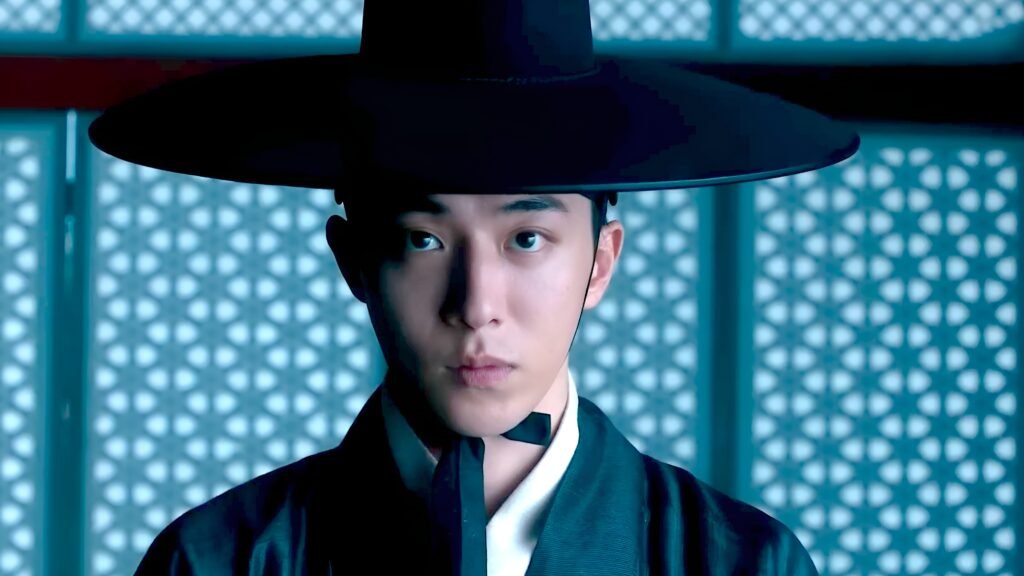
Three reasons, and they’re all defensible.
One: every love in this story is poisoned. The original curse starts because a favoured court lady is falsely accused of an affair and executed while pregnant. Lady Choi Suk-bin murders a line of princes out of love for her son. King Ju-sang kills his own child to protect what he thinks is right. In a story where affection is the murder weapon, a sweet palace romance would feel imported from a different show.
Two: the class problem is real. Saeng-gang isn’t a court lady. She’s the King’s daughter, pushed out of the palace as a child for hearing the dead. A commoner spirit slayer and a princess don’t get a quiet ending in this setting. The show would have had to either lie about that or spend two episodes solving it, and it has no spare episodes.
Three: eight episodes, two mysteries. The 30-year-old murders and the present-day ones both need full solutions. Something had to go.
What the cast actually said
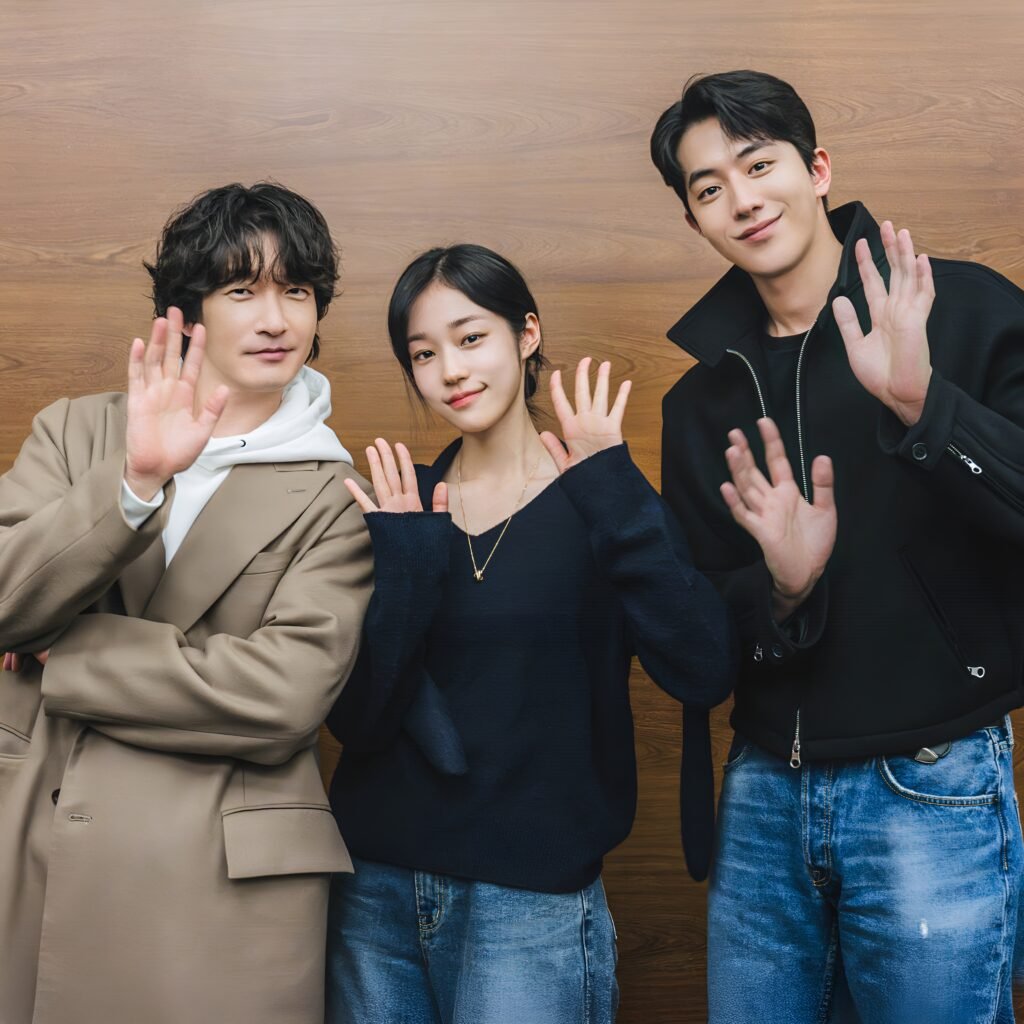
This part isn’t theory. Roh Yoon-seo has been direct in press: she and Nam Joo-hyuk deliberately capped the physical side at hand-holding and hugging, and they never tried to label the bond as either love or friendship. She’s described it as something that grows “beyond love or friendship” as the two keep saving each other.
Nam Joo-hyuk framed it as a genre choice on his side — he stepped away from romance for this one, and told interviewers he’ll be back in romance projects soon.
Netflix, meanwhile, cut a promo clip and titled it Slow Burn Chemistry. Which tells you the marketing team knew exactly what they were selling and exactly what they weren’t.
Roger Ebert’s review read the dynamic as closer to older-sibling banter than romance. Plenty of viewers disagree. Both readings survive the finale, which is probably intentional.
The symbolism most recaps skipped
The bells. Saeng-gang gives him bells early. In a romance drama that’s a love token. Here it becomes a locator — the thing that proves a soul is still in the world. Same object, function swapped.
The energy transfer. He gives her his yang energy to keep her alive. Structurally that’s where a kiss would go. The show puts life-force where intimacy usually sits.
The chain. The final shot: a black chain running from Gu-cheon’s hand down into the Realm of Gwi. She can’t see it. He’s free, walking into the mountains with her — and permanently owned by something else. A romance ending closes the loop. This one leaves a leash on it.
The Ggeomeoksali. The little spirit tags along. Roh has joked that the three of them are a set. That’s a found-family ending, not a couple ending, and it’s the most honest read of the last frame.
Other things people are confused about
Is Saeng-gang a princess or a court lady? Both. She’s the King’s illegitimate daughter, raised outside, working inside the palace as a court lady.
Does Gu-cheon actually die? He pays the price and becomes an ak-gwi, then wakes up in the human world anyway. The chain is the unpaid part of that bill.
Why did the King let him go? Gu-cheon tells him he can see the spirits of the dead princes hovering above him. The King, who has just publicly apologised to the dead, lets him leave.
Is there a Season 2? As of late July 2026, Netflix hasn’t announced one. It’s listed as a limited series, though it’s performing well enough that nobody’s ruling it out. If it returns, the chain is the obvious thread — and the romance most reviewers wanted would finally have room.
Related on DaebakDaily: The East Palace Review: Is It Worth the Binge?
You can stream all eight episodes on Netflix.
FAQ
Do Gu-cheon and Saeng-gang kiss in The East Palace?
No. There’s no kiss and no confession anywhere in the eight episodes. The most physical the relationship gets is hand-holding and the finale hug — a limit the two actors have said was a deliberate choice.
Does The East Palace have romance at all, or is it purely horror?
It’s dark fantasy horror with a strong emotional partnership at the centre. There’s no romance plot, but the bond between the leads carries real weight, which is why so many viewers read it as one.
Are Gu-cheon and Saeng-gang together at the end?
Together, yes — undefined, also yes. She leaves the palace with him for the mountain temple, with the Ggeomeoksali in tow. The show never labels what they are.
Why does Saeng-gang drug Gu-cheon in Episode 8?
A gwi-mae predicts he’ll die that night. Drugging him is her attempt to take his place in the final fight. It fails, and he follows her down anyway.
Where do you land on it? Genuinely undefined bond, or a romance the writers ran out of episodes to finish? Drop your read in the comments — especially if you caught something in the river scene the rest of us missed.