Sword and Silence Silla-Tang Conflict Explained: Why King Munmu Fought His Father’s Ally
Written by Huzaifa
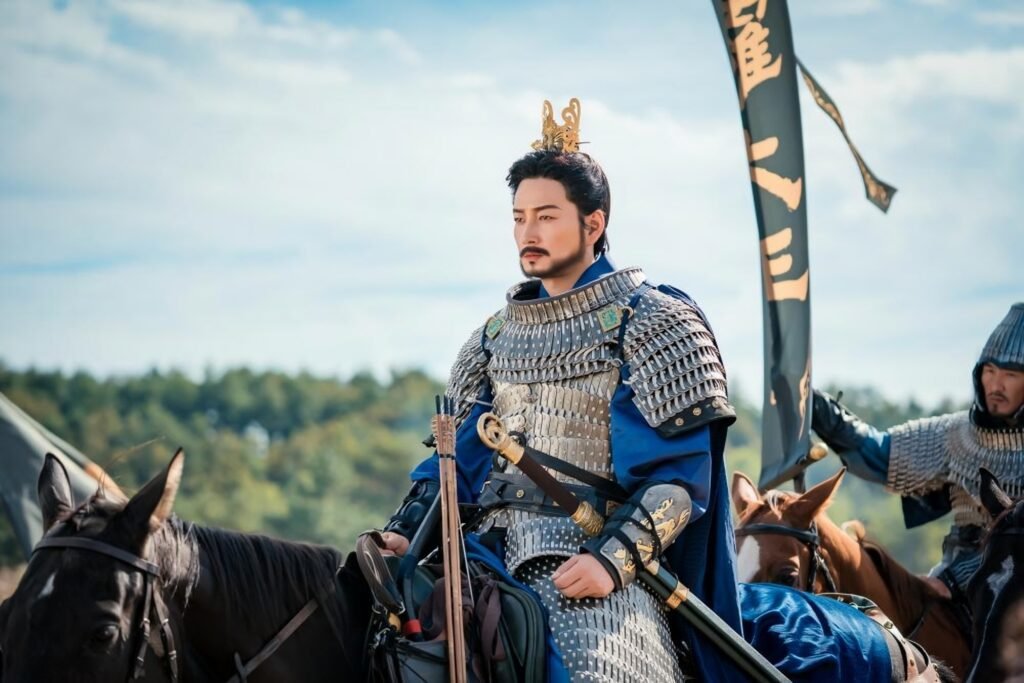
When Kim Chun-chu gets down on his knees in Sword & Silence, the man he’s begging for troops is a fellow Silla noble. That’s where the Sword and Silence Silla-Tang conflict starts to make sense for me. Before asking why Chun-chu would trust a foreign emperor, look at how little he can count on the men who live under his own queen.
Quick Answer: Silla allied with Tang to defeat Baekje and Goguryeo. According to King Munmu, Tang had promised his father territory south of Pyongyang. Tang then installed its own officials in the conquered lands and claimed authority over Silla. Munmu fought his former ally to keep Silla independent and secure the territory his father had bargained for.
Spoilers for Episodes 1–2 and the real outcome of the war. The KBS drama premiered on November 14, 2026. If you’ve finished the opening episodes on OnDemandKorea, you’ve seen why Silla needs help. The historical break with Tang is still ahead.
Episode 1 puts two brothers on different roads

Kim Beop-min (Lee Hyun-wook) and his brother Kim In-mun see what a Baekje attack leaves behind. Families grieve their dead. A soldier who fled the fighting is executed. For Beop-min, the suggestion that he should now leave for Tang raises an ugly question. Would his father be sending him to safety because he happens to be Kim Chun-chu’s son? The soldier they just saw had no such privilege.
Back home, the wounded General Baek-ryong tells Chun-chu (Kim Kang-woo) that people of Gaya descent inside Silla may have helped Baekje. He offers a suspicion. Chun-chu understands how quickly it could turn neighbors against one another, and kills the man who voiced it. Beop-min wants his father to account for the body. It’s a fair demand, especially from a son being asked to trust the same man’s judgment about his future.
Beop-min asks In-mun to go to Tang in his place. He wants to see their sister Gotaso at Daeya Fortress. It’s Beop-min who puts his brother’s name forward. Years later, the Tang emperor will try to choose between them himself.
Why Chun-chu kneels and Kim Yu-sin stays on his feet
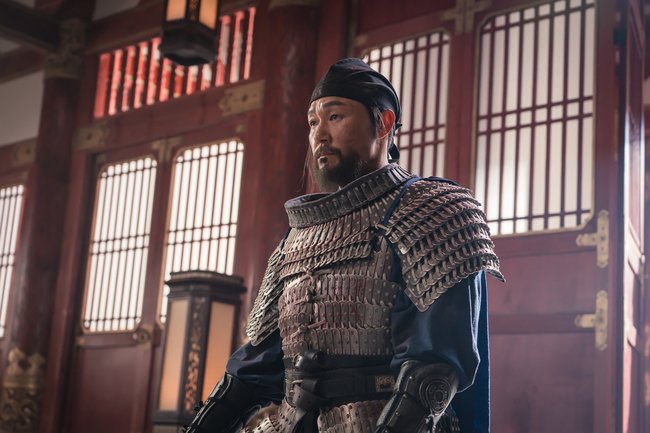
Baekje can attack Silla while powerful Silla families decide whether to send their privately controlled soldiers. That’s the point of Chun-chu kneeling before Bidam. However much influence the future king has, he can’t simply stand up, issue an order and march those men to the border. Bidam gets a say. The people at the border get to wait.
When Baek-ryong’s body turns up, nobles demand Chun-chu’s death. Episode 1 brings General Kim Yu-sin (Park Sung-woong) into the hall. Episode 2 gives him the floor. Yu-sin is himself of Gaya descent. He has fought for Silla, and he calls out the nobles who have kept their own troops home. Queen Seondeok keeps Chun-chu in office.
I like that Yu-sin gets the better argument without making Chun-chu innocent. One man killed to suppress a rumor. The other can answer it by standing there and asking who actually went to war. For Beop-min, who will someday need the help of people his kingdom once fought, that difference matters.
What the end of Episode 2 actually shows at Daeya
Chun-chu and Beop-min travel to Daeya, where Gotaso lives with her husband, Kim Pum-seok. The fortress commander is sick of holding a defensive position and still bears the effects of captivity. Chun-chu gives him back a victory banner he’s been keeping for him. Pum-seok tears up. Of all the objects you could put in a threatened fortress, an old victory flag is a particularly sad choice. It says what this man once managed to do. It can’t tell his family whether he can do it again.
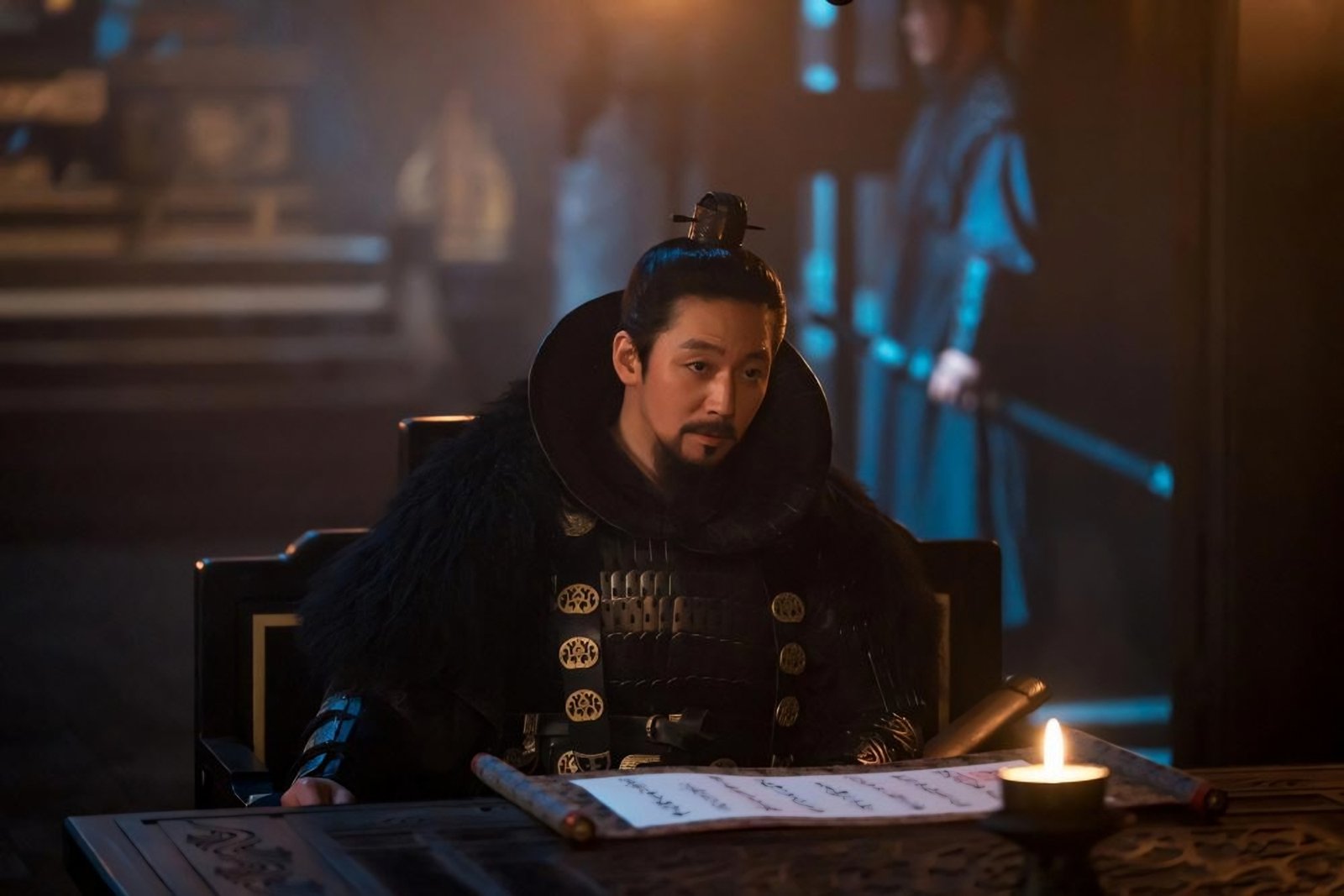
Meanwhile, Goguryeo’s King Yeongnyu has sought peace with Tang. Yeon Gaesomun (Jang Hyuk) rejects that policy, kills the king and takes power. Baekje sees an opening. Its minister Seongchung asks Yeon for troops to attack Silla. By the close of the episode, Yeon orders his soldiers out while Chun-chu, Beop-min and Gotaso enjoy a quiet moment near Daeya.
That cut answers an easy-to-miss plot question. The two powers moving against Silla here are Baekje and Goguryeo. Gotaso has no idea an army is moving. The audience knows just enough to wish her brother would stay a little longer.
What did Tang promise Silla in 648?
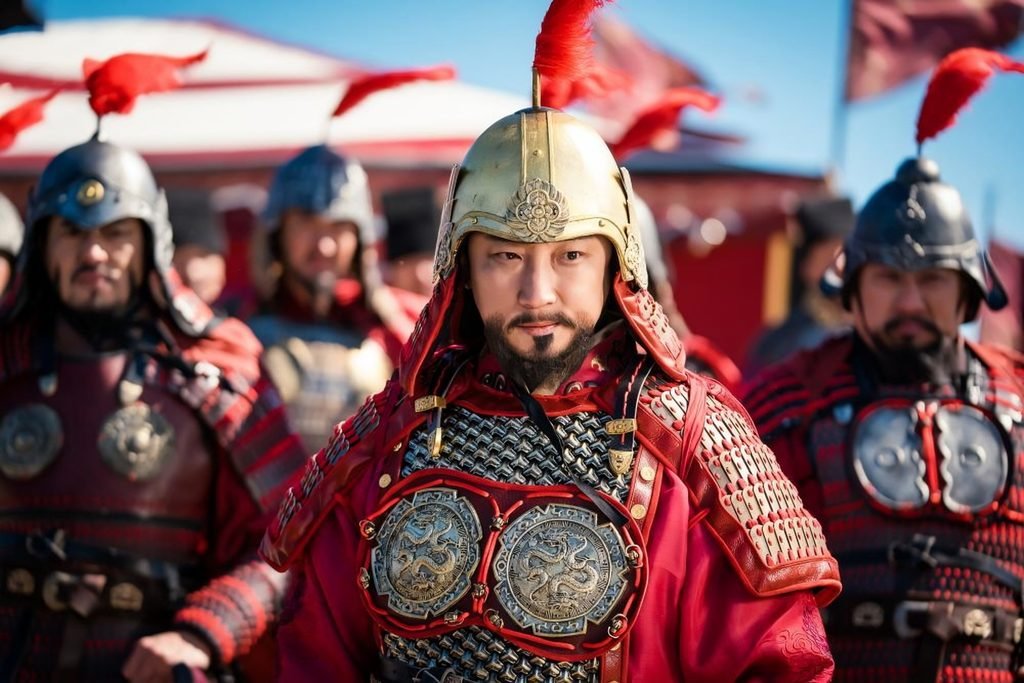
The historical road from Daeya to Tang took six years. When Baekje captured the fortress in 642, both Gotaso and Pum-seok died. The grieving Chun-chu went to Goguryeo to ask for military help against Baekje. He came away without it. That failed mission makes his next choice easier to understand. He had already tried to find an ally closer to home.
In 648, Chun-chu, the future King Muyeol, visited Tang Emperor Taizong. Each had something the other needed. Silla wanted military help against the kingdoms threatening it. Taizong had already campaigned against Goguryeo and come home without conquering it. A partner on the peninsula could supply men and provisions that an army operating far from home badly needed.
Our clearest account of the disputed bargain comes from Chun-chu’s son. In a letter written in 671, Munmu said Taizong had promised his father the lands of Baekje south of Pyongyang after the two enemy kingdoms were defeated. Notice who is speaking and when. We have a king recalling a promise to his father more than twenty years later, during a war over that very promise. His letter tells us precisely what Silla claimed it had agreed to. It leaves open what Taizong privately intended.
Baekje falls, and the allies discover what victory costs
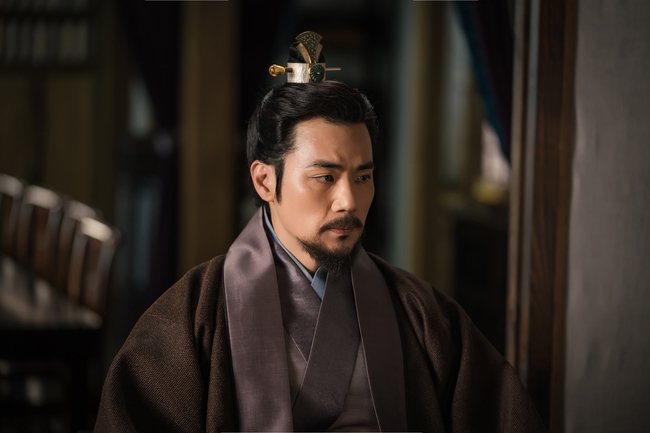
Baekje fell in 660. If Chun-chu’s understanding of the bargain had prevailed, Silla could have expected to govern the conquered territory. Instead, under Taizong’s successor Emperor Gaozong, Tang established the Ungjin Commandery in former Baekje lands. A commandery was an administrative district. The people living there now had a very practical reason to care about a diplomatic promise made years earlier. Whose officials would govern them?
Chun-chu died in 661. Beop-min took the throne as King Munmu and inherited both the alliance and the dispute. In 663, Tang even gave Munmu a title that treated Silla itself as part of the emperor’s administrative system. Think about how that title would read in each capital. A Silla ruler could accept an imperial honor and still expect to govern his kingdom. A Tang official could point to the same title as evidence that the king answered to the emperor.
Goguryeo still stood. As long as both allies needed each other to defeat it, they had a reason to leave that disagreement unresolved.
Why the Sword and Silence Silla-Tang conflict outlasted Goguryeo
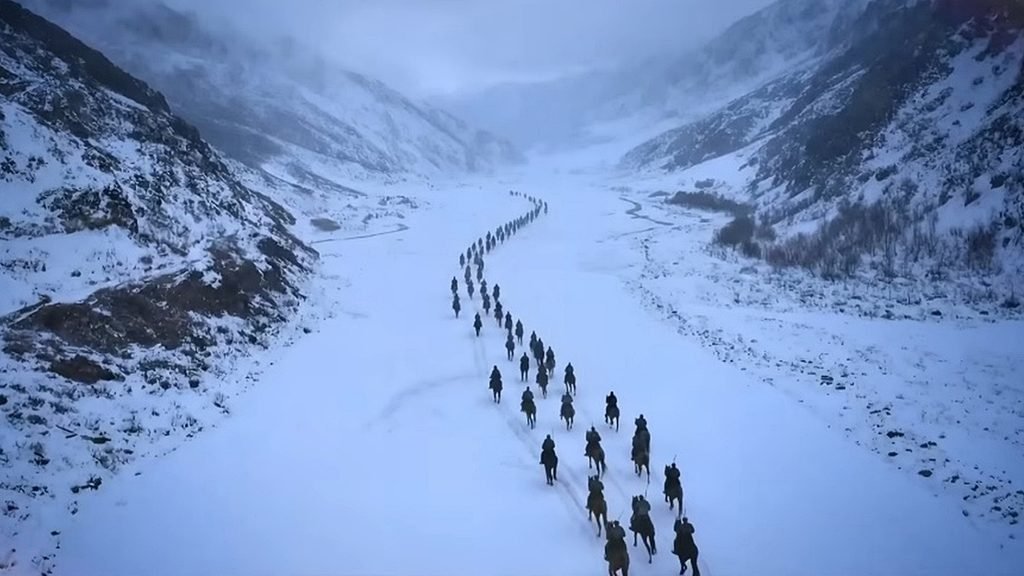
In 668, Goguryeo’s capital, Pyongyang, fell to the allies. Tang established its own protectorate there. The empire already had officials in former Baekje territory, and now it had an administrative seat in the north. Waiting for a voluntary handover looked increasingly costly for Silla. In 670, Munmu joined forces with people from the defeated kingdoms and attacked Tang-held positions.
The historical detail I keep coming back to is a complaint about food. When Tang general Xue Rengui challenged Silla’s conduct, Munmu’s reply reminded him who had fed and clothed Tang soldiers for years. It’s an unexpectedly intimate way to measure what one ally owes another. Imagine supplying the men who keep a garrison alive, then being told their emperor has the right to govern the land around it. The historical analysis of Munmu’s letter preserves that argument alongside his account of Taizong’s promise.
So who betrayed whom? Tang could point to Silla attacking yesterday’s comrades. Munmu could point to Tang appointing governors on land promised to his father. Both actions happened. The appointments came first.
The emperor’s choice of king brings the story back to In-mun
In 674, Gaozong tried to replace Munmu with his younger brother. His choice was Kim In-mun, the same brother Beop-min asks to go to Tang in Episode 1. In-mun had served at the Tang court. To the emperor, that relationship offered a way to influence who ruled Silla. The attempt failed. Munmu kept his throne.
Knowing that history changes how I read the brothers’ first conversation. Beop-min sees two immediate obligations, a journey his father wants and a sister he wants to visit. Asking In-mun to take the journey feels like a solution between siblings. From decades away, you can see what neither brother could know then. An emperor would someday treat their family relationship as grounds to intervene in Silla’s succession. Nothing in that early exchange proves In-mun wanted his brother’s crown.
For another example of how a drama gives a family a place inside documented events, DaebakDaily’s 100 Days of Deception profile introduces its colonial-era spy story, and the Gyeam-ri history explainer traces the specific event behind it.
Sword and Silence Silla-Tang conflict FAQ
Did I miss the episode where Tang betrays Silla?
No. Through Episode 2, Silla is facing a threat from Baekje and Goguryeo. The closing order to send troops comes from Yeon Gaesomun of Goguryeo. The fight over Tang’s right to govern conquered land belongs to a later stage of Munmu’s life.
Are Kim Chun-chu and King Munmu the same person?
Kim Chun-chu becomes King Muyeol. His son Kim Beop-min becomes King Munmu. The two Tang emperors also matter here. Taizong received the father in 648. His successor Gaozong was emperor when the son went to war.
Who won the real Silla-Tang War?
Silla prevailed in the struggle for control of the southern peninsula. Victories at Maesoseong in 675 and Gibeolpo in 676 helped force Tang’s withdrawal. Munmu secured Silla’s independence and control over former Baekje territory and part of former Goguryeo. Much of Goguryeo’s old northern territory lay beyond his reach.
Did Munmu undo everything his father worked for?
My reading is that he used his father’s diplomacy right down to the wording of his complaint. Chun-chu had gone to Tang to secure a future for Silla. When the empire claimed the right to choose Silla’s king, honoring the bargain meant challenging the emperor. Would you have drawn the line earlier, when Tang first appointed officials in Baekje? I’d love to hear which moment felt like the betrayal to you in the comments.