Navier Heinrey Relationship Timeline: From Queen’s Letters to Lasting Love
Written by Huzaifa
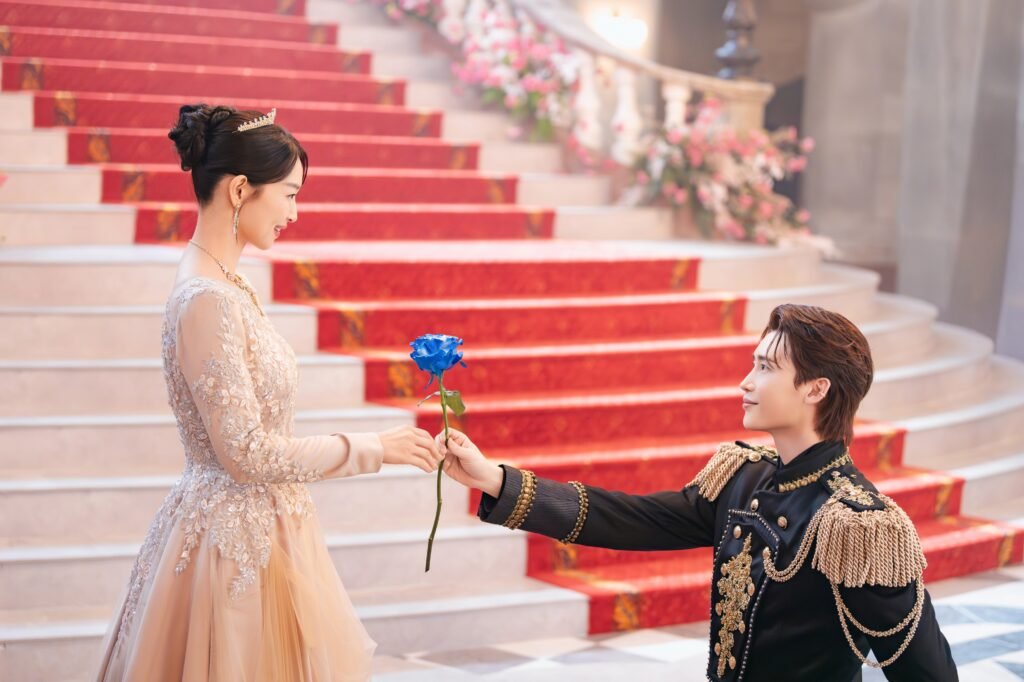
Does Navier marry Heinrey because she loves him, or does love arrive after the marriage? That question makes the Navier Heinrey relationship timeline more interesting than a simple revenge romance. In The Remarried Empress, choosing a new husband and trusting someone with your heart happen at different speeds.
Quick Answer: Navier and Heinrey grow close through letters carried by Queen, who is secretly Heinrey in bird form. Their friendship becomes a marriage alliance when Navier faces divorce. In the source story, marriage comes before Navier openly returns his love, and the novel gives them a happy ending with twins.
Spoiler warning: This guide covers the 2026 drama’s opening episodes, followed by clearly marked webtoon and novel spoilers. The later marriage, confession, and family milestones describe the source story, not a confirmed television finale.
The romance timeline at a glance
The opening divorce scene in the source material shows the destination before explaining the journey. Read the Navier Heinrey relationship timeline chronologically, and the emotional progression becomes much clearer.
| Stage | Relationship milestone | What changes |
|---|---|---|
| Private correspondence | Navier exchanges letters through Queen | They develop a connection beyond court formalities. |
| Public attention | Heinrey approaches Navier as a prince | Their growing closeness attracts other people’s attention. |
| Marriage agreement | Navier accepts a future with Heinrey | Friendship becomes a practical partnership. |
| Divorce hearing | She requests permission to remarry | Their private agreement becomes public. |
| Life in the West | Queen’s identity is resolved | Navier connects her familiar bird with her new partner. |
| Wedding and confession | Heinrey openly declares his love | Marriage requires emotional honesty as well as cooperation. |
| Later novel | Navier reciprocates; they become parents | Their shared future includes love and family. |
The source’s later milestones should not be assigned drama episode numbers. A television adaptation can change when a revelation happens without changing the broad romance.
Queen’s letters give Navier room to be herself

The earliest intimacy comes through correspondence. Navier writes to someone outside the exhausting negotiations of her marriage, while the bird she names Queen becomes a welcome presence.
Queen is Heinrey himself. Navier initially understands the bird as a messenger, which means the audience’s knowledge and hers are different.
That distinction matters. Her affection for Queen does not mean she knowingly begins a romance with a prince every time she welcomes the bird. Heinrey benefits from a familiarity that his human identity has not yet earned.
The letters also give them something small but valuable: playfulness. In the illustrated story, their exchange includes teasing about their identities and a guessing game. They can be curious about each other before every interaction becomes an event for the court to interpret.
For me, the bird disguise is both charming and awkward. It lets Navier relax, but it also creates a secret the relationship will eventually have to survive. The fantasy device has consequences beyond cute bird scenes.
The dance makes their connection visible
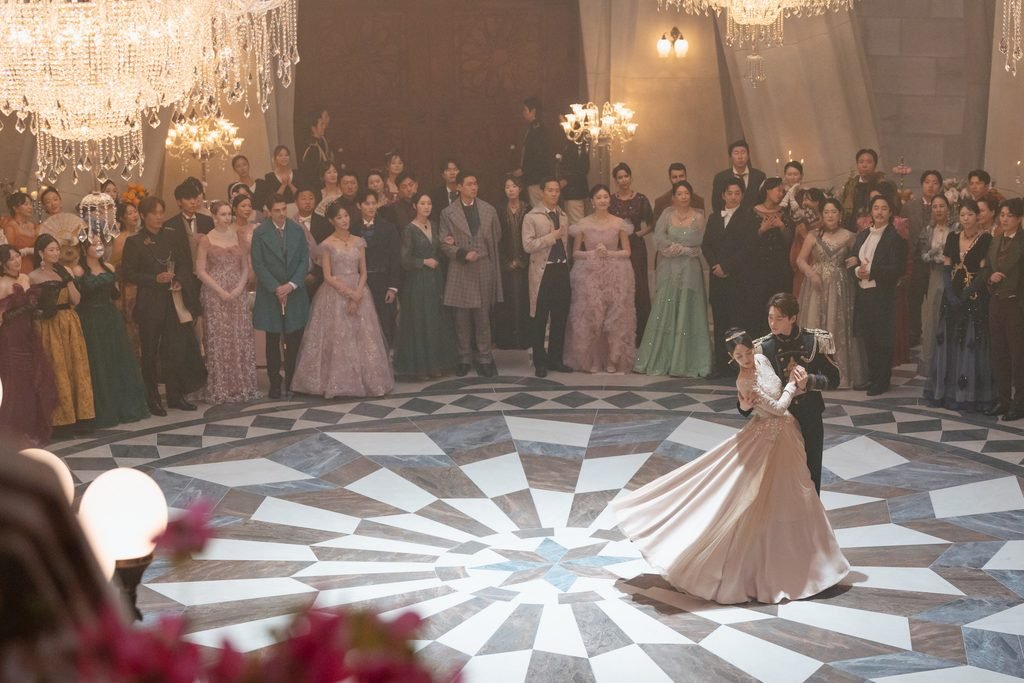
In the drama’s opening arc, Heinrey’s public attention changes the atmosphere around Navier. Their dance at the New Year’s celebration puts the pair in the same room as the husband whose attention has shifted toward Rashta.
A dance is not a declaration of lifelong love. It is an invitation that Navier can accept, and a moment when somebody actively seeks her company.
Then the correspondence becomes vulnerable to interference. Heinrey looks for his anonymous pen pal, and Rashta claims the connection that belongs to Navier. Episode 4 ends with that claim unresolved.
The detail I would put at the centre of a rewatch is Navier’s hesitation to identify herself. Private letters can become public accusations when the writer is an empress and the recipient is a foreign prince.
For the surrounding scenes, DaebakDaily’s Episodes 1–4 recap follows the opening conflict in order. The 2026 adaptation is listed on Disney+, with availability depending on your region.
Source spoilers: why Navier agrees to marry Heinrey
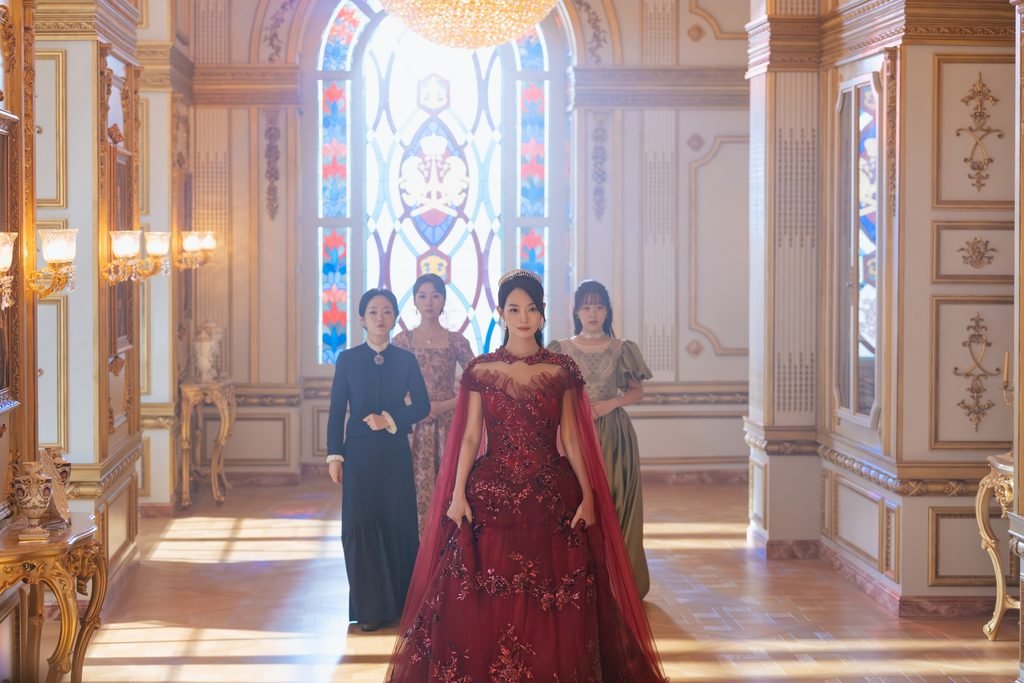
From here, the timeline follows the source story beyond the drama’s opening episodes.
Learning that Sovieshu intends to divorce her threatens Navier’s whole understanding of her future. Being empress is work she has trained for, an identity she has built, and a responsibility she takes seriously.
Heinrey offers a future in which those abilities still matter. When the possibility of becoming his queen becomes a real agreement, Navier can imagine continuing her life beyond the Eastern Empire.
She also knows him as someone who has offered companionship during a painful period. Practical reasons and personal affection can exist together.
This is where I think describing her as merely “using” Heinrey misses the point. The arrangement does not require her to pretend that she already feels everything he feels. He understands that her reasons for accepting are more guarded than his.
In the Navier Heinrey relationship timeline, the agreement establishes willingness to build a life together. It does not instantly erase her fear of another unhappy marriage.
The divorce hearing reveals a decision already made
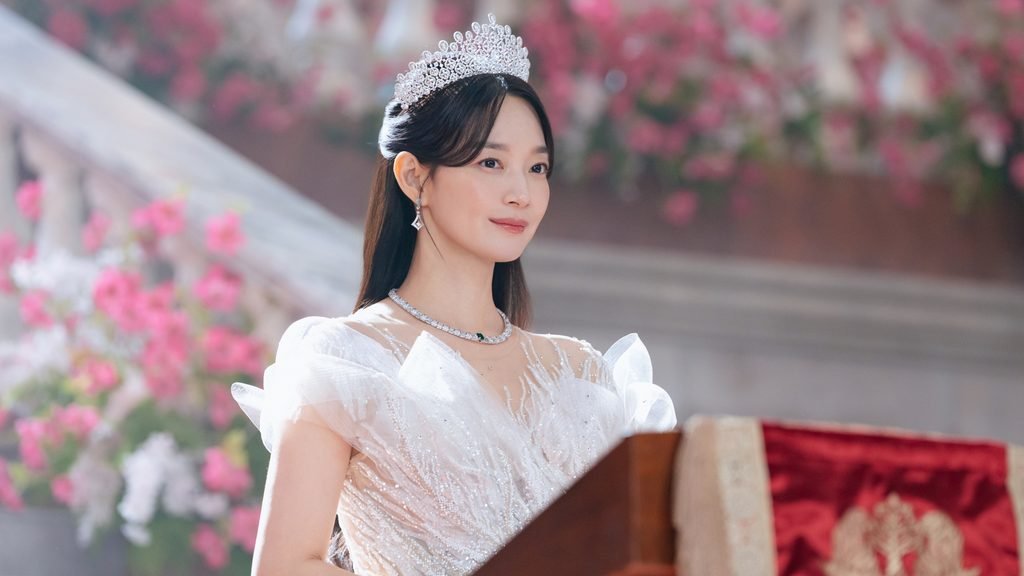
The hearing can look like a sudden romantic rescue if you separate it from the earlier agreement. In sequence, it works differently.
First, Navier has prepared for the possibility of losing her marriage and position. Second, she and Heinrey have agreed on a future. Third, she accepts the divorce and asks for approval to remarry. Heinrey’s participation makes that future visible to the court.
She does not meet him in the hearing and impulsively choose him.
That preparation explains her composure. A controlled response can contain grief, anger, and resolve without displaying all three to an audience.
My reading is that the scene’s emotional force comes from who gets to make the next decision. Sovieshu initiates the divorce, but Navier determines what follows it. Heinrey supports a choice she has made.
It is a satisfying public turning point. The harder private work—learning how to live together and trust affection—still lies ahead.
Finding out Heinrey is Queen changes the earlier scenes
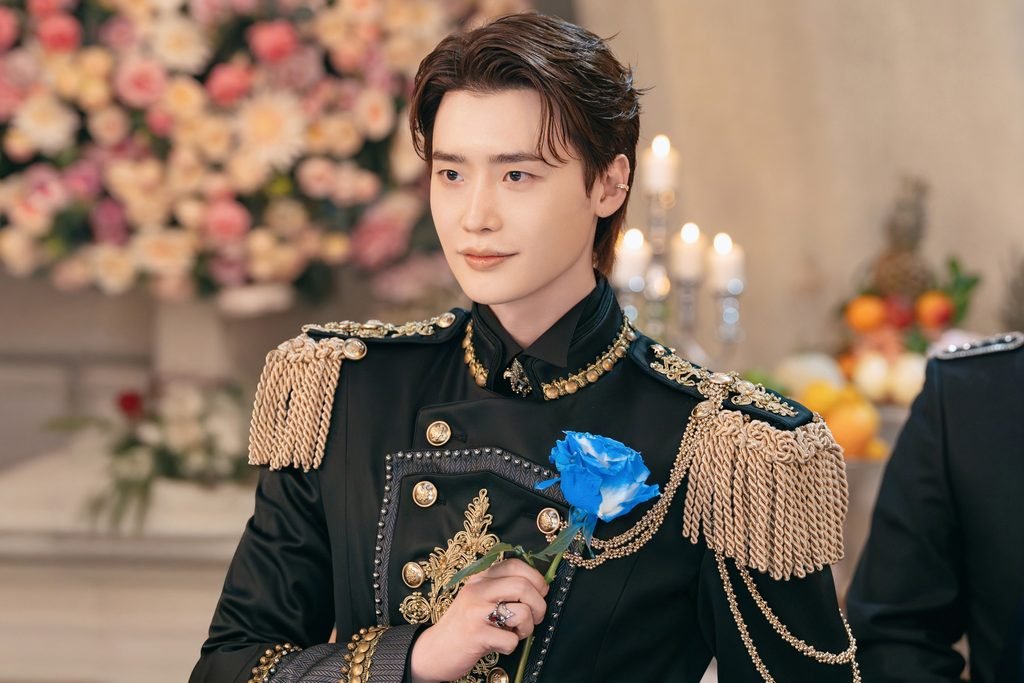
In the webtoon’s Western Kingdom arc, Navier begins connecting the birds with people. Her questions about McKenna lead toward the possibility that Queen also has a human identity.
Suspicion comes before the full conversation. She sees Heinrey transform, and he later explicitly admits that he is Queen. Her embarrassment helps create another misunderstanding: he worries about her reaction while she struggles to look at him normally.
This is why “When does Navier find out?” can produce apparently conflicting answers. Suspecting the truth, witnessing it, and discussing it are separate moments.
The reveal also changes how the earlier companionship reads. The prince and the bird have offered different kinds of access to the same person.
A detail worth revisiting is how freely Navier treats Queen compared with the care she takes around Heinrey. Once the identities merge, their relationship has to accommodate that private familiarity openly. He cannot remain a comforting visitor whose secrets never require an explanation.
The wedding and love confession are separate milestones
Their formal wedding celebration establishes Navier beside Heinrey, with the proclamation of the Western Empire giving the marriage a public political meaning.
The emotional conversation continues afterward.
In the webtoon, the love-potion incident involving Kaufman creates distress around Heinrey’s apparent attraction to Christa. Heinrey approaches Navier with guilt and explains that he loves her. The confession is tied to his fear of hurting her.
The surrounding sequence matters: Navier receives declarations from more than one man, but hearing that she is loved does not automatically make her feel secure.
Heinrey gives her time to answer.
That pause is one of the most useful details in The Remarried Empress romance storyline. A wedding can establish a household immediately. Trust develops through what the people in that household do afterward.
I find his willingness to wait more persuasive than treating the ceremony as proof that Navier should already be emotionally healed. She has agreed to marriage; her feelings still belong to her.
When does Navier genuinely fall in love?
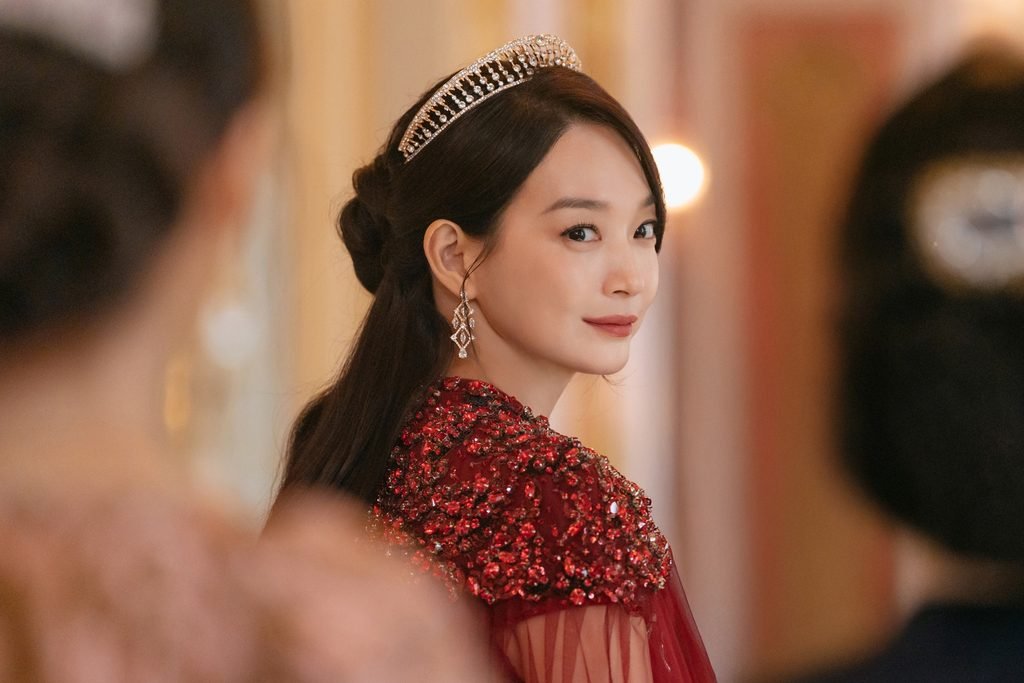
Navier’s feelings develop through a series of changes rather than a single switch.
She becomes more physically aware of Heinrey, more affected by his attention, and increasingly willing to show affection. The novel’s interior perspective gives those shifts room to accumulate before she can comfortably name them.
Her caution makes sense. Loving somebody introduces the possibility that their withdrawal could hurt her again.
That does not make her incapable of romance. It makes the movement from enjoying his company to accepting emotional vulnerability a meaningful part of the story.
There is a difference between returning a gesture, wanting a shared future, and openly acknowledging love. Those moments belong at different points in the Navier Heinrey relationship timeline.
Readers can disagree about the first unmistakable sign that she has fallen. That is interpretation. The later development of reciprocal love is part of the source relationship, not merely a hopeful fan theory.
For me, her gradual willingness to express affection makes the marriage feel more convincing than an instant confession would.
Do Navier and Heinrey get a happy ending?
Yes, in the main novel storyline. They remain together and have twins: a daughter, Lari, and a son, Kai.
The family outcome answers the biggest question about The Remarried Empress main couple. Their marriage grows into a lasting relationship; Navier does not finish the central story by abandoning Heinrey to restore her old marriage.
The children also give the earlier anxiety about heirs a different outcome. Still, Navier’s value does not begin with motherhood. Her judgment, competence, and capacity to love already matter before pregnancy enters the story.
I read the happy ending as the expansion of a life that once seemed to have only one possible shape. She can govern, be loved, and have a family after losing the future she expected.
Keep the distinction between versions clear: this is the novel’s couple ending. It should not be presented as a scene-by-scene account of the television finale.
FAQ: the romance details readers mix up
Does Heinrey fall in love before Navier?
Heinrey is more openly invested earlier. Navier initially approaches their marriage more cautiously, with friendship and practical security helping her accept. Her emotional openness develops over time.
Does Navier know Heinrey is Queen before the remarriage agreement?
In the source progression discussed here, the agreement comes first. The fuller discovery and acknowledgement of his bird identity belong to the later Western Kingdom arc.
Is Navier’s marriage to Heinrey only political?
It begins with strong practical reasons, especially for Navier, but the relationship develops into mutual love. Calling it permanently loveless ignores the later romance and family story.
Does The Remarried Empress couple ending apply to the drama too?
The novel gives Navier and Heinrey a happy outcome. That source ending alone cannot confirm exactly how the screen adaptation concludes or which later events it includes.
Which moment makes their relationship feel real to you: the letters, Navier’s remarriage request, or her willingness to show affection afterward? Share your interpretation—and any theories about the adaptation—in the comments.