Why Did Sovieshu Divorce Navier in The Remarried Empress?
Written by Huzaifa
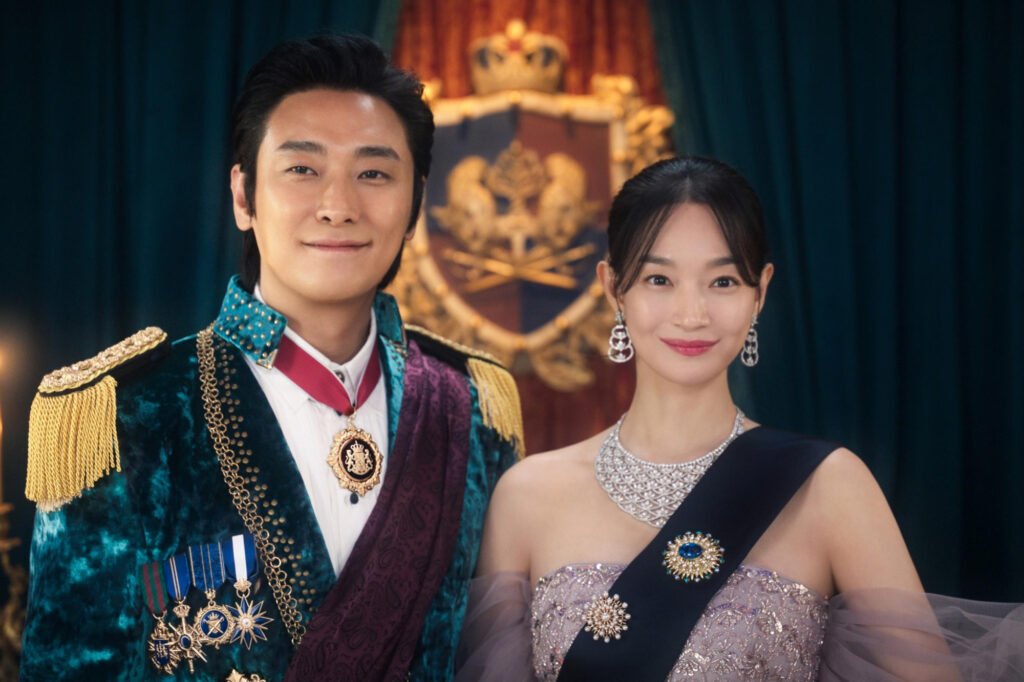
Sovieshu asks for a divorce, then reacts as though Navier has betrayed him by moving on. That contradiction is the real question behind why did Sovieshu divorce Navier. In The Remarried Empress, he thinks he can end their marriage without losing his place in her future. Navier has other ideas.
Quick Answer: Sovieshu divorces Navier to marry the pregnant Rashta and give the child he believes is his a legitimate claim to the throne. In the novel/webtoon storyline, he intends to make Rashta empress for about a year, then remarry Navier. His mistake is assuming Navier will wait for him.
Spoiler warning: This explanation covers the source story’s divorce and remarriage arc. For readers arriving through the 2026 drama, the detailed plan below comes from the novel/webtoon; it should not be treated as a recap of a particular television episode.
Why Rashta’s pregnancy changes the stakes
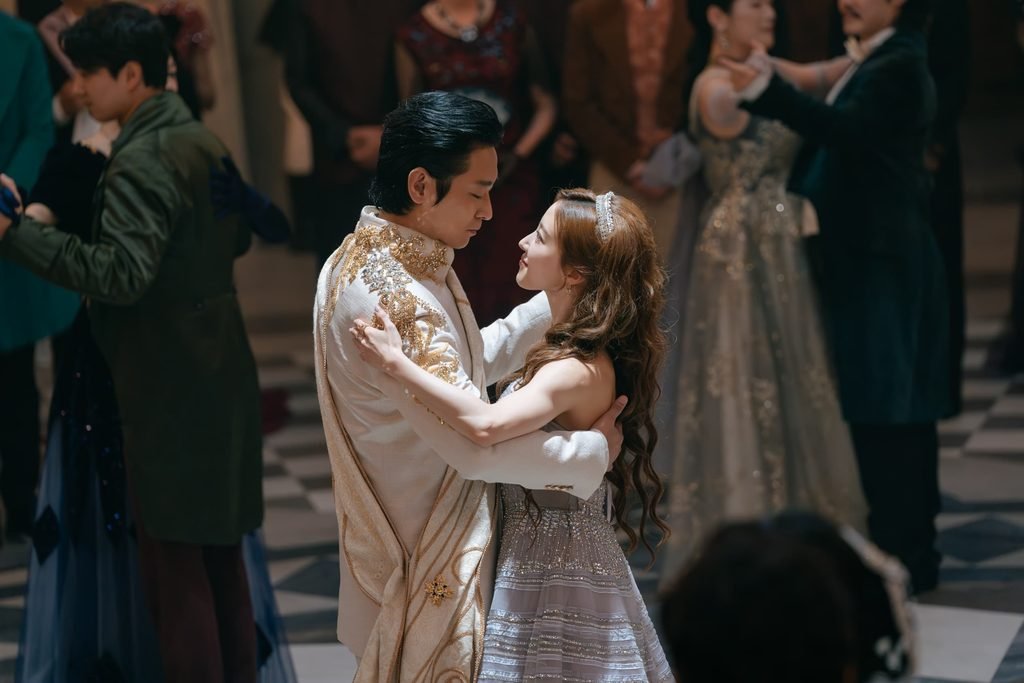
Sovieshu’s attachment to Rashta begins before his divorce scheme. He brings her into the palace and makes her his mistress while Navier remains empress. Those positions carry different rights, however much affection he shows Rashta.
The succession problem makes that distinction impossible to ignore. A child born to his mistress does not automatically receive the standing of an imperial prince or princess. Sovieshu wants the baby he believes is his to become a recognized heir.
That is the political answer to “why did Sovieshu divorce Navier?” Rashta being his favorite does not solve the child’s status. Making her his wife and empress is the route he chooses.
But a reason is not the same as an excuse. His plan makes Navier pay for a problem created by his own decisions.
For the television setup, our The Remarried Empress Episodes 1–4 recap covers Rashta’s arrival and the restrictions attached to her position. The adaptation is available through Disney+, with access depending on your region.
The temporary-divorce plan he expects everyone to accept
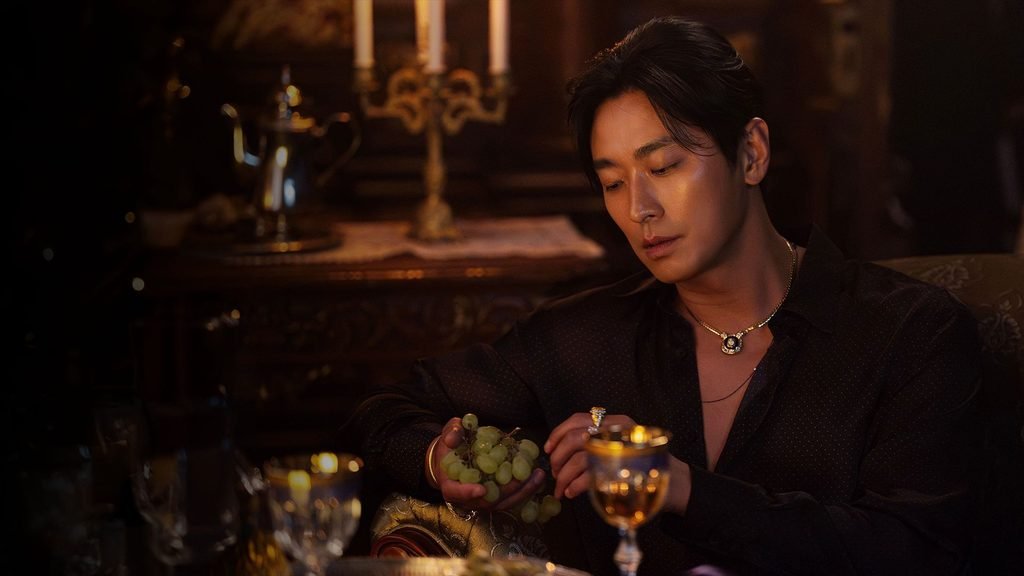
The source story’s scheme has four stages:
- Divorce Navier.
- Marry Rashta so her baby can have legitimate imperial status.
- End the marriage to Rashta after roughly a year.
- Remarry Navier and restore her as empress.
Read those steps slowly. Neither woman is being offered a secure partnership.
Navier is supposed to endure public rejection and remain available. Rashta is supposed to produce an heir, occupy the position temporarily, and then surrender it. Sovieshu imagines keeping the child and recovering the experienced empress he already relies on.
For me, this is the ugliest part of his character motivation: he treats their futures as things he can schedule.
He is not planning to rebuild trust with Navier. He assumes her attachment to their shared life will survive whatever he does to it. Her return is written into his private plan before she has agreed to anything.
That assumption explains his later shock much better than the idea that he simply changes his mind.
The fertility suspicion behind his decision
Sovieshu and Navier have no child together. He also carries a troubling childhood memory: they ate cookies containing a drug intended to prevent his father’s mistress from carrying a pregnancy. He suspects that exposure may have affected Navier’s fertility.
In the source story, he reveals this concern to the high priest during the preparations for divorce.
The detail I checked twice is the difference between his suspicion and an established fact. “Sovieshu believes Navier may be infertile” is accurate to his reasoning. “Navier was proven infertile, so he had to divorce her” turns his assumption into certainty and his choice into an obligation.
Rashta’s pregnancy makes him more confident in the explanation he already favors. He believes he has fathered a child elsewhere and therefore treats Navier as the obstacle to succession.
That confidence is part of the tragedy. He is making permanent decisions about another person’s life using conclusions she has not been allowed to examine with him.
Before the divorce: the adoption idea and the family conflict
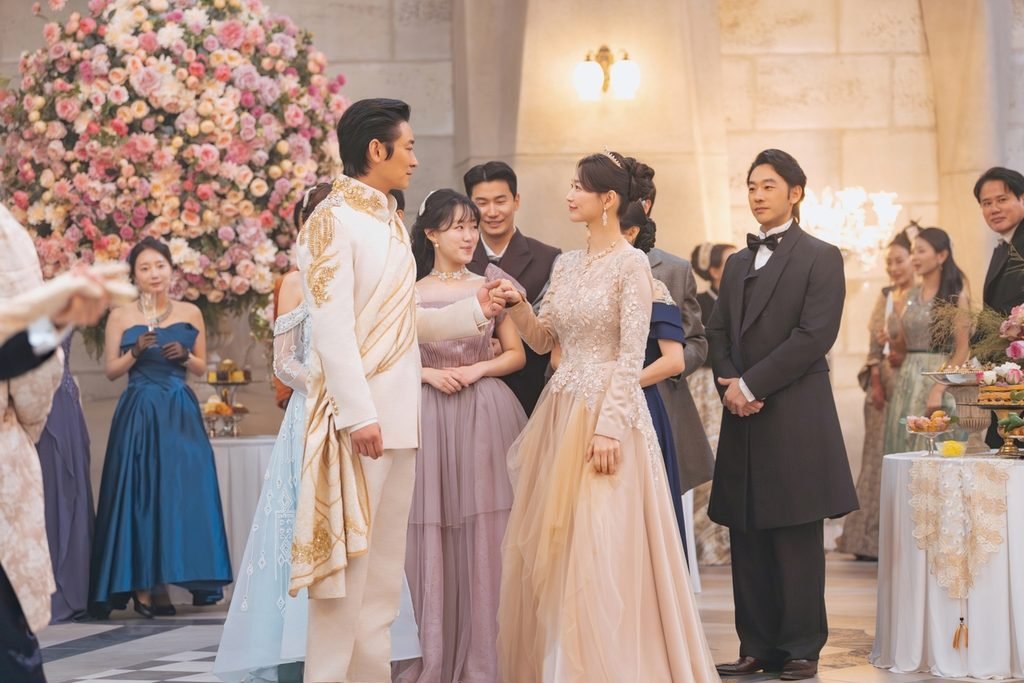
Sovieshu raises the possibility that Navier could adopt Rashta’s child if they do not have one together. Navier refuses.
Her refusal matters because it closes off the solution he would prefer: keeping his existing empress while bringing Rashta’s child into the imperial line. But it does not make Navier responsible for the divorce.
She is being asked to absorb the consequences of her husband’s affair into her own family and public role. Expecting that to be emotionally simple is absurd.
The conflict involving Navier’s brother, Kosair, also escalates matters. His actions against Rashta and the people connected to her give Sovieshu grounds to frame Navier’s family as a danger to the pregnancy.
These disputes help explain how the divorce becomes politically actionable. They should not replace the central motive: Sovieshu wants to secure the child’s position while preserving the possibility of taking Navier back.
He believes he can separate the marriage’s legal status from its emotional consequences. Navier has to live with both.
Navier overhears enough to know she needs another future

The turning point comes when Navier overhears Sovieshu discussing divorcing her and making Rashta empress. She does not receive his complete private plan as a proposal they can discuss. She discovers that her husband is arranging her removal.
That difference matters.
Readers sometimes reduce the tragedy to a misunderstanding: if only Navier had heard that he intended to remarry her, everything could have worked out. I don’t buy that reading. The missing information would explain his intention; it would not erase the humiliation he expects her to accept.
Navier then arranges a marriage with Heinrey. Their agreement exists before the public divorce hearing. Her request to remarry is prepared, not an impulsive decision made to win an argument.
The Navier and Heinrey relationship timeline explains how that practical partnership develops into a deeper relationship. Here, its immediate importance is straightforward: Navier now has a future that does not depend on Sovieshu inviting her back.
The divorce hearing, step by step

This is where Sovieshu discovers that arranging a divorce does not mean controlling everything that follows it.
First, the separation reaches a formal hearing. The high priest oversees the proceedings. Navier arrives knowing what she intends to do; Sovieshu does not know the full extent of her preparations.
Second, Navier accepts the divorce. She does not spend the scene pleading for the position he is taking away. Her acceptance allows the separation to proceed.
Third, she requests approval to remarry. The authority she addresses is the high priest. This is the detail that can disappear in a quick plot summary: she is not asking her former husband to choose her next partner.
Fourth, Heinrey comes forward. Her request becomes a concrete marriage arrangement rather than a vague declaration that she might love someone else someday.
Finally, Sovieshu’s expected outcome collapses. He has been planning around an available former wife. Navier has already made a decision that removes her from that role.
The ceremony is a turning point because both characters get a divorce, but only one understands what it will cost him.
Why did Sovieshu divorce Navier if he still wanted her?
Because wanting someone in your life does not guarantee that you respect their right to leave it.
Sovieshu remains attached to Navier, their history, and the place she occupies beside him. The source story does not require us to believe that every feeling he ever had for her was fake. It shows how those feelings coexist with entitlement.
My reading is that he mistakes familiarity for a guarantee. Navier has always been part of his world, so he struggles to imagine her building a life outside it.
That also explains why Heinrey unsettles him. Heinrey makes Navier’s alternative visible. She can be valued elsewhere, hold authority elsewhere, and eventually love elsewhere.
Sovieshu’s jealousy cannot repair the reasoning behind his divorce plan. If anything, it exposes the double standard: he gives himself permission to reorganize their marriage, then resents Navier for making a decision about her own future.
Love that depends on someone having no alternatives is a very poor offer.
What Navier’s calm response means—and why he regrets it

Navier’s composure can look effortless from the outside. The surrounding story makes clear that it follows hurt and preparation.
I read the hearing as a reversal of who gets to make decisions. Sovieshu begins with the power to reject her. Navier answers by deciding what comes next. Her calmness gives that choice weight because he cannot dismiss it as an outburst she will withdraw tomorrow.
His later attempt to explain the temporary-divorce plan reveals the same problem. He treats the breakdown as something clearer information might repair, while Navier has already acted on the betrayal itself.
That is why his regret does not make the original decision romantic. Regretting the loss of a partner is different from having respected her while she was there.
So, why did Sovieshu divorce Navier? He wanted an heir without permanently losing his empress. The story’s sharpest consequence is that Navier refuses to make those two wishes compatible.
FAQ: Sovieshu and Navier’s divorce explained
Did Sovieshu intend to divorce Navier permanently?
No. In the source storyline, he expects to marry Rashta temporarily and restore Navier afterward. That is his plan, not an agreement Navier makes with him. He badly misjudges her willingness to accept it.
Was Navier’s infertility the confirmed reason for the divorce?
Sovieshu suspects infertility because of their childlessness and the childhood cookie incident. His belief helps drive his decision, but the suspicion should not be presented as a confirmed diagnosis at the divorce. Securing Rashta’s child’s imperial status is the immediate goal of his plan.
Did Navier divorce Sovieshu because she wanted Heinrey?
Sovieshu initiates the divorce. Navier’s arrangement with Heinrey is her response to learning that she will be replaced. Their relationship matters, but reversing that order wrongly makes her remarriage the cause of a decision Sovieshu has already made.
Why does Sovieshu get angry when Navier remarries?
Her remarriage destroys his expectation that she will remain available for him. Heinrey is not simply another man he dislikes; he represents a future Sovieshu cannot arrange for Navier. His anger exposes how little room his plan gave her own wishes.
Do you think Sovieshu ever understood why Navier left, or did he mostly regret losing the future he had planned? Tell me your reading in the comments.