My Demon Review: The Song Kang K-Drama That Made Me a Believer in Demon Romance
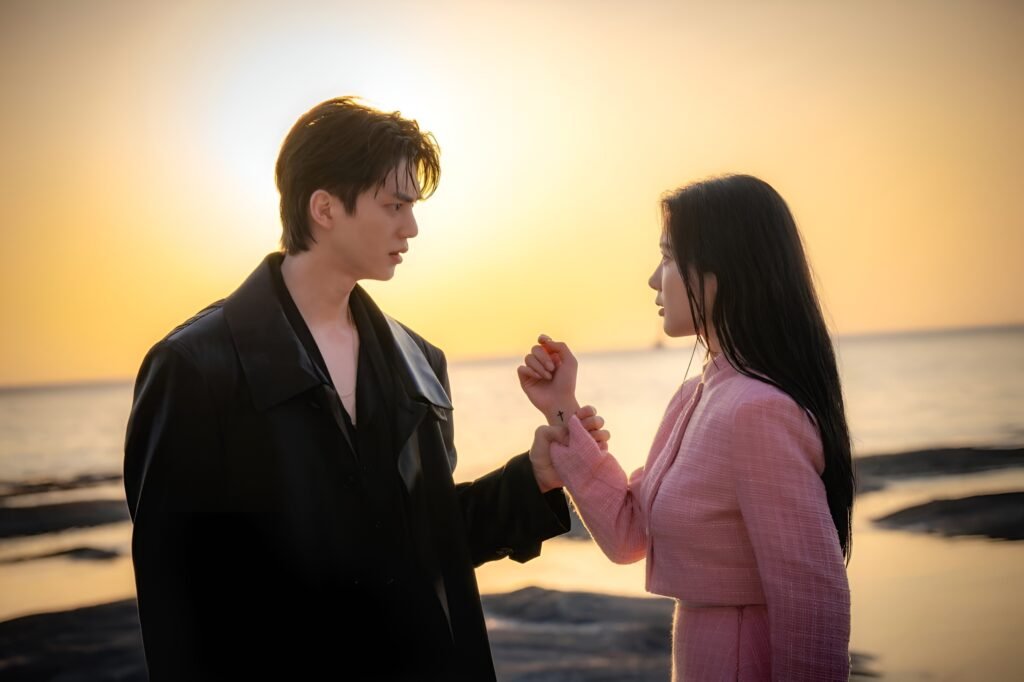
By Huzaifa — DaebakDaily
I almost skipped My Demon for the same reason I skip half the “hot rich girl meets hot supernatural guy” K-dramas that show up on my Netflix homepage: the poster looked generic, and I’d already been burned by three shows that year with the exact same setup and none of the payoff. This My Demon review exists because a friend broke my resistance with one clip — the leads dancing a tango in episode three — and I stopped pretending I had any self-control left. I figured I knew the beats already: icy chaebol woman, brooding immortal man, a contract that’s obviously going to turn into real feelings by episode six. I was only half right. I binged the entire back half of the season over a single weekend, which is not something I do for a show I’m lukewarm on. Consider this my honest take: I was wrong to sleep on it, and I’m also going to be straight with you about the parts that genuinely don’t work, because Huzaifa doesn’t hand out fake five-star reviews just because a show got popular.
Here’s the short version of this My Demon review, for anyone who just wants the verdict before committing sixteen episodes:
Quick Verdict: My Demon is a fantasy rom-com about a 200-year-old demon (Song Kang) who loses his powers to a chaebol heiress (Kim Yoo-jung) and has to fake-marry her to get them back. The first eight episodes are close to perfect. The back half wobbles hard. I’m still landing on 9.5/10, and it’s streaming now on Netflix.
(Quick heads up: the My Demon Netflix listing rates it TV-14, so keep that in mind if you’re marathoning with family in the room.)
My Demon at a Glance
- Genre: Rom-Com / Fantasy (with a surprising amount of actual thriller)
- Episodes: 16
- Original Run: SBS, November 2023 to January 2024
- Where to Watch: Netflix
- My Demon Cast: Song Kang, Kim Yoo-jung, Lee Sang-yi, Kim Hae-sook
- My Rating: 9.5/10
The Premise (No Spoilers)
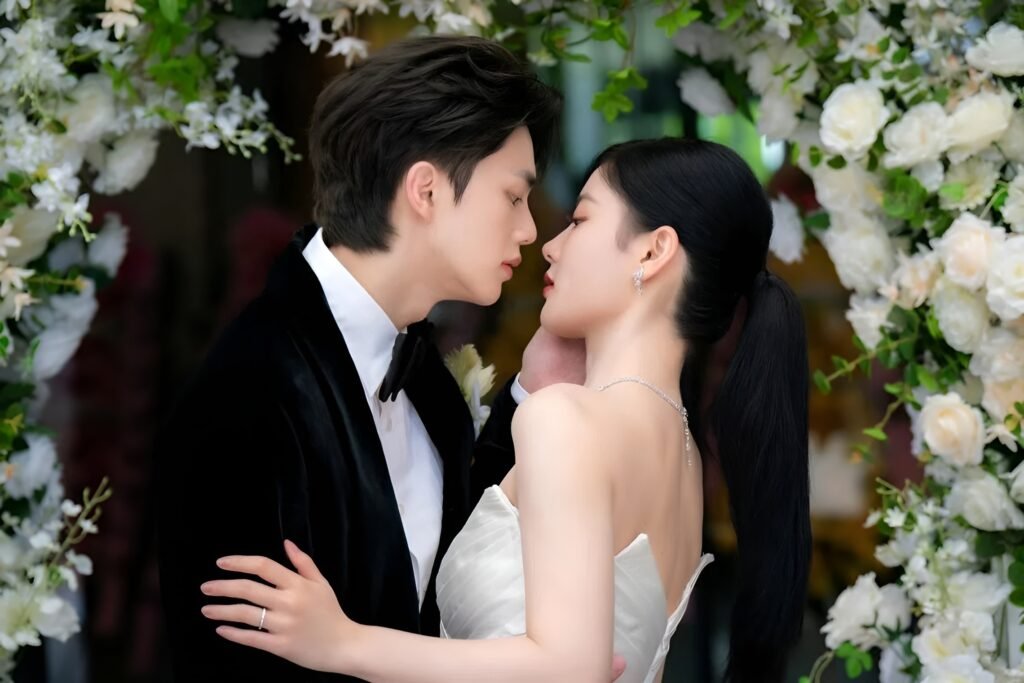
Do Do-hee (Kim Yoo-jung) runs the food division of a conglomerate called Mirae Group, and she’s built a life around trusting absolutely nobody, ever since her parents died when she was a kid. Jeong Gu-won (Song Kang) is a 200-year-old demon who’s kept himself alive by making deals with desperate humans — he grants a wish, and ten years later, he collects the soul that comes with it. He finds people, on the whole, exhausting.
Their paths cross on an accidental blind date, and shortly after, Gu-won’s powers vanish and reappear as a tattoo-like mark on Do-hee’s hand. Suddenly the demon who couldn’t care less about humans needs to stay close to the one woman who might be holding the key to getting his powers back, and the fastest way to justify that closeness, in classic K-drama fashion, is a fake contract marriage. From there, it’s enemies-to-lovers, fake-dating, and “wait, why do I care if he’s dying” territory, all wrapped around a slow-burn mystery involving Do-hee’s family and a body count that keeps climbing around the Mirae Group boardroom.
What Works
The Chemistry Between the Leads

I’m not going to pretend to be neutral here: Song Kang and Kim Yoo-jung are the reason to watch this show. Their pairing earned them Best Couple at the 2023 SBS Drama Awards, on top of individual Top Excellence acting wins for both, and it’s not hard to see why. MyDramaList users currently have the show sitting at 8.3 out of 10 from more than 100,000 ratings, and Singapore’s Straits Times gave it four out of five stars specifically for the lead chemistry. The tango scene early on has lived in my head rent-free since I watched it — it’s the exact moment the show stops feeling like a pitch and starts feeling like two people you’re genuinely rooting for.
Domestically, the ratings never turned it into a runaway smash — Nielsen Korea had it averaging under 4 percent for most of its run — but that number undersells how big the show got once it landed on Netflix internationally, where it hit the platform’s Global Top 10 for non-English TV.
Song Kang’s My Demon Performance, Specifically
Song Kang could have played Gu-won as one more broody, pretty-boy love interest, and there’s a version of this show where that’s exactly what happens. Instead, he leans all the way into the character’s pettiness — the vanity, the tantrums, the way he treats losing his powers like a personal insult from the universe itself. It’s a genuinely funny comedic performance wearing a romantic lead’s face, and that combination is a lot harder to land than it looks.
The Supporting Cast Earns Its Screen Time

Lee Sang-yi plays Joo Seok-hoon, Do-hee’s cousin and basically the only competent employee at Mirae Group, and Kim Hae-sook plays family matriarch Joo Cheon-sook with the energy of someone running a company the way a crime boss runs a family business. Both give the show a found-family feel worth caring about outside the central romance, which is a big part of why the My Demon cast holds up even in episodes where the writing gets shakier.
The Production Value Shows
Director Kim Jang-han and SBS’s in-house Studio S Binge Works clearly had a real budget to work with, and it shows up on screen in the kind of stylized set-piece sequences you don’t always get from a weekend network drama — that tango number again, plus a handful of fight and transformation sequences that look more expensive than the show’s modest domestic ratings would suggest. It’s not prestige-drama cinematography, but it’s a noticeable step up from the flatter, sitcom-lit look a lot of rom-coms settle for.
The Soundtrack Doesn’t Play Around
My Demon’s OST reads like a label showing off its entire roster: NewJeans, Winter of aespa, Roy Kim, 10cm, Sam Kim, and Dawn all contributed tracks — the kind of lineup that turns “background music” into songs people bookmark separately on Spotify. Roy Kim’s “Whenever, Wherever” picked up a Best OST nomination at the 2024 Melon Music Awards, and it’s soundtracking a solid third of my rewatches of the softer episodes.
What Doesn’t Work
The Back Half Loses Its Grip
Episodes one through eight move fast and know exactly what kind of show they’re being. Somewhere around the midpoint — between a real-life scheduling delay for year-end award shows and a story that keeps needing new twists to fill sixteen episodes — the pacing stops recovering. Side characters pick up subplots nobody asked for, and the central mystery around Do-hee’s family adds new layers instead of deepening the ones already on the table.
The Chaebol Power Struggle Never Gets Interesting
Every rich-family K-drama needs a boardroom conspiracy, and this one — built around Mirae Group and a string of deaths connected to Do-hee’s late parents — never earns the same personality as the central romance. I caught myself fast-forwarding through the corporate scheming to get back to Gu-won and Do-hee, which is never a great sign for a subplot that’s supposed to be raising the stakes.
The Mythology Doesn’t Fully Commit
The show borrows from both Christian and Korean folklore ideas about demons, angels, and judgment, and it never quite settles on consistent rules for how any of it actually functions. Dramabeans commenters spent whole recap threads arguing over whether the finale’s answers held together, and honestly, I landed somewhere in the middle: I liked where the characters ended up a lot more than I liked the road the show took to get them there.
🚨 Mild Spoilers: How the Ending Actually Lands
Skip to the next section if you haven’t finished the show yet.
Here’s the short version, not a blow-by-blow: the finale resolves Gu-won’s curse, closes out the Mirae family conspiracy, and lands on a genuinely happy ending instead of the tragic, someone-has-to-die route the middle episodes kept threatening. I paused the second-to-last episode for a solid ten minutes after one particular scene — not because it was shocking, but because the show finally slowed all the way down and let one quiet, devastating moment actually breathe, and I needed a second before I could press play again. The epilogue afterward is sweet almost to a fault, which either works for you or feels like a hard tonal U-turn from how dark things got a few episodes earlier. I landed on “it works,” but I get why some viewers wanted a messier, more bittersweet finish. If you want the full breakdown of who did what to whom inside the Mirae family, that’s a job for a dedicated recap post, not a review: My Demon Ending Explained.
Is There a My Demon Season 2? (2026 Update)

If you searched “my demon season 2” and landed on this My Demon review instead of an actual trailer, I’m sorry, but you also deserve the truth: there’s no confirmed Season 2, not from SBS, not from Netflix, not from the production team. The show wrapped its story with a complete, happy ending, which cuts a lot of the built-in reason to continue it, and Netflix has generally treated shows like this as closed limited series rather than franchises it keeps building on. Song Kang’s military enlistment also took him off the market for new projects for a stretch, which didn’t help the odds either.
The “official trailer” clips floating around TikTok with 2025 or 2026 in the title are fan edits, not announcements. Several are stitched together from old promotional footage, and none of them trace back to an actual SBS or Netflix channel. If a real Season 2 ever gets greenlit, every K-drama outlet will report it the same day — it won’t quietly show up first as a 40-second clip riding a trending audio track.
Who Is My Demon For?

This My Demon kdrama is for you if you want a fantasy rom-com with real comedic timing, don’t mind a saggy middle stretch, and have ever finished a show wishing the leads got more scenes just messing with each other. It’s a great next watch if you liked Tale of the Nine-Tailed or Hotel del Luna and want another supernatural-being-falls-for-a-human story — minus the higher body count of the former, and with a lot more comedy than the latter.
It’s not for you if you need a tightly plotted mystery with no loose threads, or if inconsistent worldbuilding around religion and mythology pulls you out of a story fast. Casual watchers who just want sixteen hours of good-looking people being charming at each other will have a great time. Viewers who need every supernatural rule to add up by the finale will have a rougher one.
If you’re brand new to the genre entirely and just want one demon-romance entry point, I’d still point you here first over most of its competitors — the comedy is more consistent, the leads are more magnetic, and the first eight episodes alone are worth the watch even if you bail before the finale.
Final Rating: 9.5/10
Here’s my math: the first eight episodes are close to a perfect fantasy rom-com, funny and romantic enough to earn every bit of that Netflix Global Top 10 run. The back half costs it close to a full point of momentum, and the chaebol subplot never becomes compelling enough to justify sixteen episodes. But nothing in the back half undoes what the front half built, and the chemistry between Song Kang and Kim Yoo-jung is strong enough to carry a weaker stretch than this one. A 9.5 might sound generous next to my own complaint list, and that’s kind of the point — I complained about the plot for the entire back half and still never once considered dropping the show. That gap, between “annoyed” and “still can’t stop watching,” is where this rating actually lives.
That’s my honest My Demon review: messy in the middle, absolutely worth it for the chemistry, and still one of the most fun fantasy rom-coms Netflix has put out in years. What’s your number — are you Team “the finale worked” or Team “they should’ve wrapped it at twelve episodes”? Drop your rating in the comments.