100 Days of Deception Gyeam-ri Massacre: Real History Explained
Written by Huzaifa
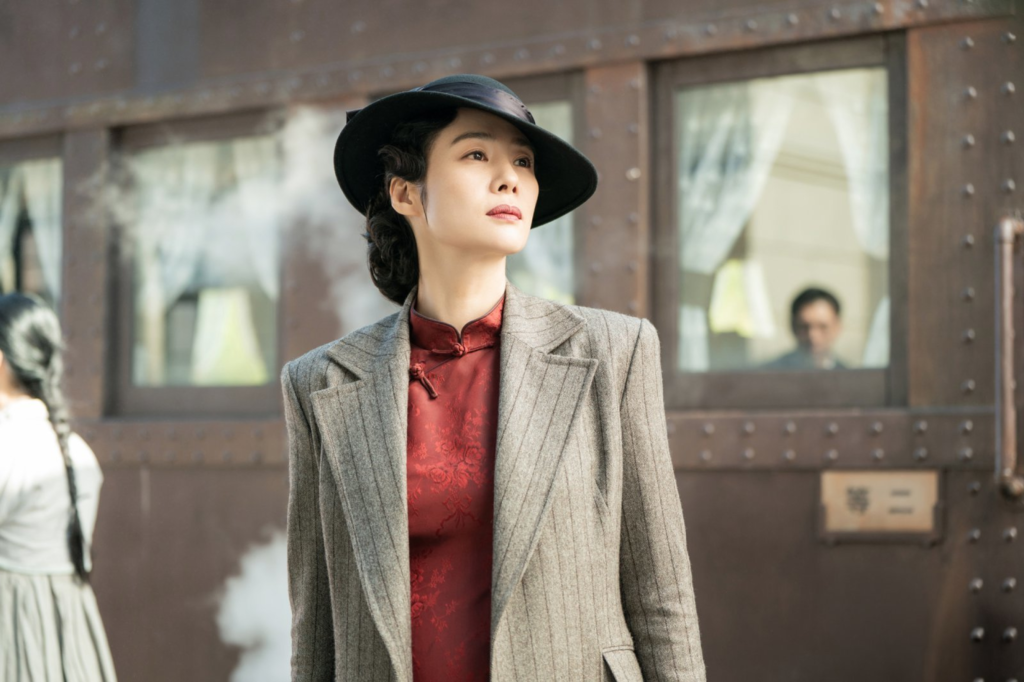
Quick answer: The 100 Days of Deception Gyeam-ri Massacre storyline draws on the real Jeam-ri massacre of April 15, 1919, when Japanese troops killed Korean villagers and burned their church. Gyeam-ri is the drama’s fictionalized setting; Yoo So-ran’s family tragedy and Sato Shinichi’s involvement belong to its invented character story.
Spoilers through episode 6, which aired on October 25, 2026.
The detail that gets me is the name Geum Seo-hee. Ga-kyung needs it to survive undercover. So-ran hears the name of the daughter she lost. Seok-jung hears it in an interrogation room.
One name. Three completely different kinds of pain.
That’s why this history deserves more than a passing “yes, it really happened.” The massacre has a documented historical counterpart, but the drama builds its own family around that history. Keeping those layers clear makes the story more affecting.
Gyeam-ri vs Jeam-ri massacre: what’s the difference?
Gyeam-ri is the name used in the drama. Jeam-ri is the real historical village. These aren’t simply two English spellings of the same Korean name: the drama uses 계암리, while the historical site is 제암리.
Korean coverage of the series, including Harper’s Bazaar Korea and OhmyNews, identifies Jeam-ri as the historical model. That connection is stronger than a fan theory based on two similar-sounding names.
Here’s what belongs on each side:
| Detail | Drama or documented history? |
|---|---|
| Gyeam-ri and So-ran’s revenge plot | Fictionalized narrative |
| Jeam-ri, in present-day Hwaseong, Gyeonggi Province | Real place |
| The massacre on April 15, 1919 | Documented historical event |
| Villagers gathered inside a church, followed by gunfire and burning | Part of the historical record |
| So-ran, her daughter and Sato Shinichi’s personal involvement | The drama’s character story |
So if you’re searching for the Gyeam-ri massacre real story, Jeam-ri is the name that will lead you to historical records and memorial information. A fictional village name doesn’t make the violence behind it imaginary.
What happened at Jeam-ri in 1919?

The massacre took place during the suppression of the March First Independence Movement, which began on March 1, 1919. Koreans demonstrated against Japanese colonial rule, and the movement spread beyond Seoul into towns and villages.
On April 15, Japanese troops gathered residents inside Jeam-ri’s Protestant church. The victims included Christians and followers of Cheondoism. Soldiers fired on the people inside and burned the building; surrounding homes were also destroyed.
The Korean government’s account of the Jeam-ri massacre describes the confinement, killings and destruction. This was violence against civilians during colonial repression.
The church setting can also lead to an incomplete reading. The people targeted weren’t all members of one Christian congregation. Cheondoists were among the victims, and the wider independence movement connected people across religious communities.
For me, that context makes the drama’s use of a village tragedy more meaningful. So-ran’s loss gives us one family to follow, while the history asks us to remember a community.
Why do accounts mention 23 victims or 29?
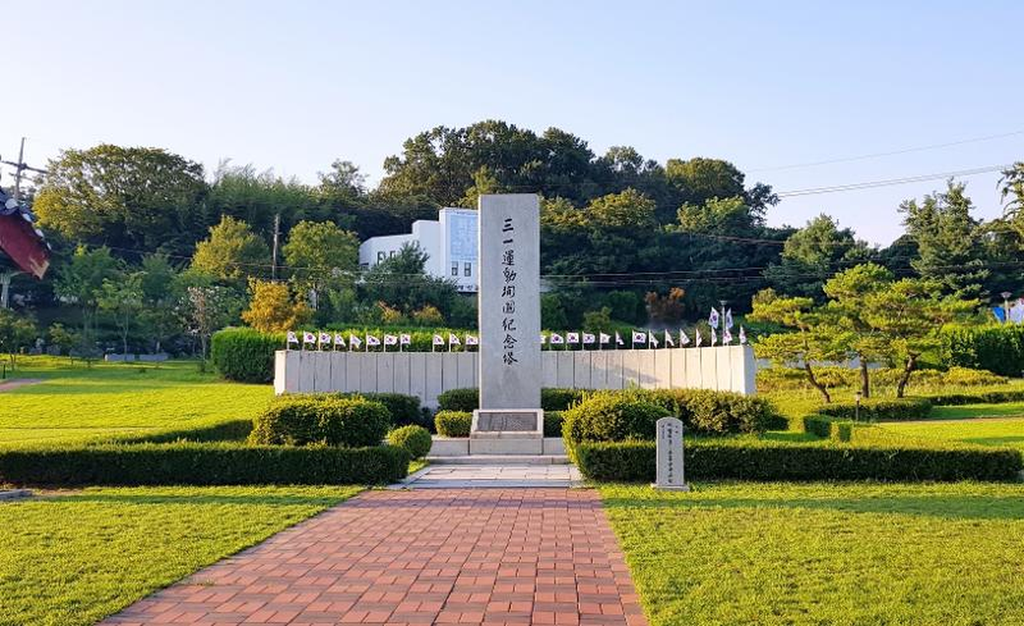
The commonly commemorated figures distinguish 23 victims at Jeam-ri from six more at neighboring Goju-ri, making 29 across the two villages.
Gyeonggi Province’s account explicitly explains that memorial references to 29 include those six Goju-ri victims. Korean veterans’ records also describe the killings in both places.
That distinction matters when reading about the Jeam-ri massacre in 1919. “Twenty-nine victims” doesn’t automatically mean 29 people died inside the church. It can refer to the combined Jeam-ri–Goju-ri killings.
Some historical summaries use approximate totals, so the scope of a particular account matters. The memorial figures above are the clearest way to keep the two villages straight.
The 100 Days of Deception Gyeam-ri Massacre storyline gives viewers a reason to look up this history. Once we do, the neighboring village deserves to stay in the explanation. Otherwise, six people can disappear from a supposedly helpful summary just because the church is the image everyone remembers.
100 Days of Deception Gyeam-ri Massacre: the timeline

The massacre and episode 6 happen at different points in the story’s chronology. Episode 6 returns to the consequences of 1919 within the drama’s 1932 setting.
| Date or period | What it means |
|---|---|
| March 1, 1919 | The March First Independence Movement begins. |
| April 15, 1919 | The historical Jeam-ri massacre takes place; killings also occur at Goju-ri. |
| 1919 in the drama’s backstory | So-ran and Seok-jung lose their daughter in the fictional Gyeam-ri atrocity. |
| 1932 | The main espionage story unfolds, thirteen years later. |
| Episode 6 | Seok-jung’s interrogation and death bring that earlier violence into Ga-kyung’s immediate world. |
Those thirteen years explain the different emotional clocks running through the series. Ga-kyung wants to complete a limited assignment and get out. So-ran has spent years pursuing the man responsible for her daughter’s death.
Their partnership is therefore tense before either woman makes a mistake. They’re risking their lives together, but they don’t measure the cost in the same way.
Yoo So-ran’s daughter’s death explained
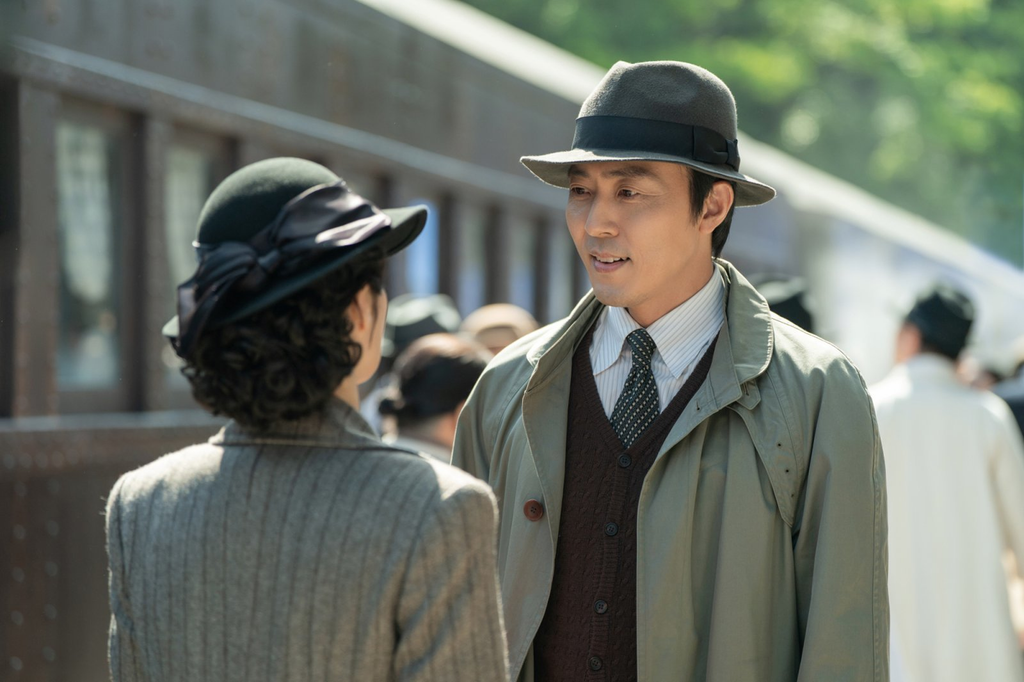
So-ran’s daughter was Geum Seo-hee, the child she had with Geum Seok-jung. Her death during the Gyeam-ri massacre drives So-ran’s pursuit of Sato Shinichi.
In episode 6, Philip tells Ga-kyung that Seok-jung refused to identify his comrades and that Sato killed his daughter in front of So-ran. That is Philip’s explanation within the drama, rather than testimony about a named historical family.
The name then becomes part of Ga-kyung’s cover identity.
This makes Seok-jung’s reaction in episode 5 especially painful: during his interrogation, he hears another young woman being called his dead daughter’s name. His questions about who she really is come from that collision.
I find the borrowed identity more disturbing than a routine spy alias. It helps the operation function, but every time someone uses it, the mission draws on So-ran’s grief again.
The shared name establishes Ga-kyung’s disguise; it doesn’t, by itself, establish that she is So-ran’s surviving daughter. Any theory about a deeper connection needs additional evidence.
Was Sato Shinichi a real historical perpetrator?
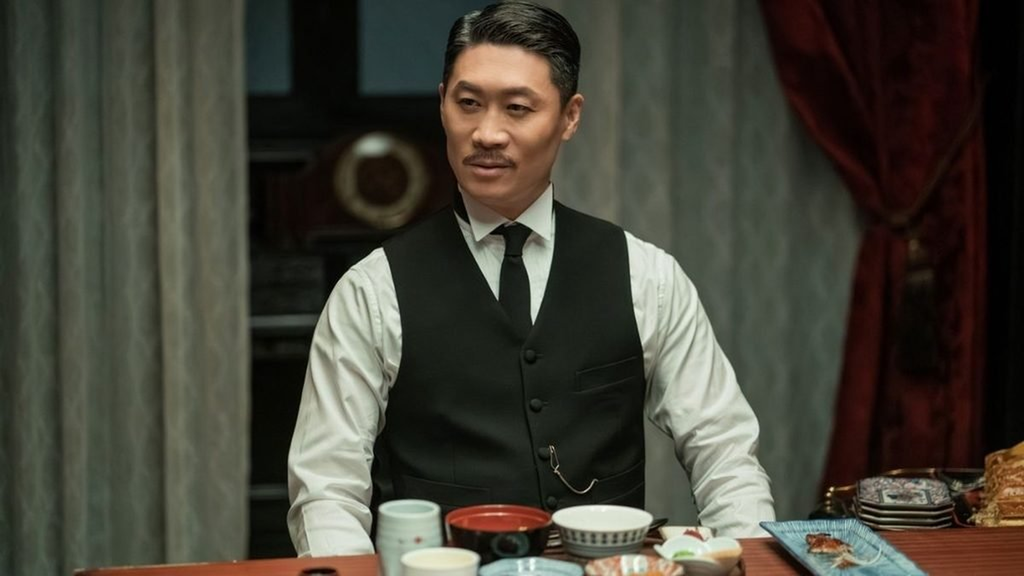
Sato Shinichi is a fictional character. His responsibility for Gyeam-ri shouldn’t be copied into a factual account of Jeam-ri.
Korean historical records identify Lieutenant Arita Toshio, also written Toshio Arita, in connection with the troops responsible for the real massacre. The National Institute of Korean History names Arita in its description of the destruction.
There’s no basis here for treating Sato as a confirmed biographical portrayal of that officer. The drama creates its own perpetrator and follows his relationship with the surviving family into 1932.
What makes Sato’s episode 6 confrontation so ugly is his self-justification. Seok-jung calls him a massacrer; Sato describes his actions as suppressing a riot.
My reading is that he’s trying to control the meaning of the crime as well as the people confronting him. If he can describe murder as official duty, he never has to acknowledge the father in front of him.
That’s a more specific form of villainy than another threatening speech.
Geum Seok-jung’s death explained: what episode 6 confirms
Sato Shinichi shoots and kills Geum Seok-jung in episode 6. Seok-jung survives the earlier massacre, but he doesn’t survive this confrontation with its perpetrator.
Ga-kyung has been brought in to interpret his interrogation. She manages to communicate that she is on So-ran’s side and that So-ran is safe. Once Seok-jung’s Gyeam-ri background becomes known, the interrogation connects directly to the past Sato has been evading.
A small detail cuts through the violence: Seok-jung asks Ga-kyung to take So-ran a castella cake.
I think that request gives the scene its human scale. Even there, he has something ordinary and personal he wants to send her.
Ga-kyung hears gunfire and sees Seok-jung dead behind Sato. The precise distinction matters: she witnesses the immediate aftermath rather than standing beside Sato as he pulls the trigger.
His death is part of the fictional plot. It shouldn’t be added to the historical Jeam-ri casualty list.
Why Ga-kyung’s breakdown has divided viewers

The recent discussion on Reddit’s r/kdramas has a recognizable split. In a thread about the show’s suspense, one viewer found Kim You-jung’s trembling excessive; replies argued that Ga-kyung’s terror fits someone suddenly surrounded by interrogation, guns and killings.
Another commenter enjoyed the suspense but felt some romantic scenes sat awkwardly beside the history. These are individual reactions from one discussion, not a verdict from the entire fandom.
I’m on the side that finds Ga-kyung’s fear convincing. Being good at stealing a wallet gives her very little preparation for seeing someone killed after she has spoken to him.
Episode 6’s closing comfort scene works for me because she finally admits she isn’t okay when Hideo asks. Her ability to improvise an answer fails her.
Still, I understand the concern about tone. The romance has to keep making room for the people whose deaths created this moment. A comforting embrace can begin a relationship without resolving the grief around it.
The history deserves to outlast the twist
The historical record extends beyond the killings themselves. Canadian missionary and medical educator Frank William Schofield visited Jeam-ri and documented the aftermath. Associated Press correspondent Albert Taylor also reported on the massacre and colonial repression.
Their work helps explain why this event remains something we can investigate through records, photographs and testimony. The victims existed before a television script gave new viewers a reason to search their village’s name.
For the series’ broader fictional premise and early strengths, my 100 Days of Deception review covers the opening four episodes.
What gives the 100 Days of Deception Gyeam-ri Massacre storyline its weight, for me, is the way past violence keeps shaping present choices: So-ran’s target, Seok-jung’s recognition of a name, and Ga-kyung’s growing understanding of what this assignment costs.
I want the drama to keep giving those losses room as the romance develops.
Did Seok-jung hearing “Geum Seo-hee” change how you understood Ga-kyung’s disguise—and how do you feel about So-ran giving her that name?