Dead End Job Spider Staffing Agency Rules: What We Know Before Release
Written by Huzaifa
Quick answer: The dead end job spider staffing agency rules confirmed in Netflix’s announcement centre on one explicit demand: keep everything that happens at work secret. Netflix advertises pay starting at 50 times the minimum hourly wage, but the punishment for speaking, the conditions for quitting and any supernatural contract remain unconfirmed.
That last distinction matters. Dead-End Job arrives on Netflix on October 30, 2026, and its recruitment pitch already sounds like something you should refuse immediately. Unfortunately, “just refuse” is easy advice when you aren’t the person drowning in debt.
For me, the interesting question is how much danger Hyeok-jun will learn to tolerate once the money starts looking like his only exit.
This guide covers the announced premise and promotional material, with trailer spoilers but no claims about unreleased episode outcomes.
Dead End Job Spider Staffing Agency Rules: The Confirmed Terms

Before treating every ominous image as a clue to a secret contract, separate the agency’s stated condition from the circumstances around it.
| Detail | What we know before release |
|---|---|
| Secrecy | Workers must not reveal what happens on the job. |
| Pay | Netflix’s announcement advertises a starting rate of 50 times the minimum hourly wage. |
| Recruitment | A high-paying job advertisement draws Hyeok-jun to the agency. |
| Assignments | Promotional material shows ordinary work settings becoming dangerous. |
| Breaking the rule | The verified announcement does not specify a penalty. |
| Quitting | No confirmed resignation procedure or escape condition is established in the material discussed here. |
Netflix’s official announcement is the clearest reference for the secrecy requirement and advertised pay.
Notice what the table doesn’t contain: a countdown, a required number of shifts or a confirmed rule that speaking causes death. Those would change the story enormously. They need evidence before they belong in an explainer.
Why the Silence Rule Is More Disturbing Than the Salary

“Never reveal what happens on the job” is an unusually broad instruction. It concerns the worker’s experience itself.
My reading is that this could make secrecy a form of isolation. If Hyeok-jun obeys, how does he describe what frightened him? How does someone outside the agency recognise a pattern across different workers or workplaces?
That is an interpretation of the setup, not a confirmed explanation of the agency’s powers.
There are at least two possibilities worth keeping separate. The boss might demand silence to conceal exploitation, or disclosure might have consequences tied to the supernatural mystery. Both fit the premise. Neither has been established as the answer.
I’m more interested in the first possibility right now. An employer who can convince you to hide your own suffering already has a frightening amount of control, even before anything impossible walks through the door.
The 50-Times Pay Offer: Don’t Invent a Wage System
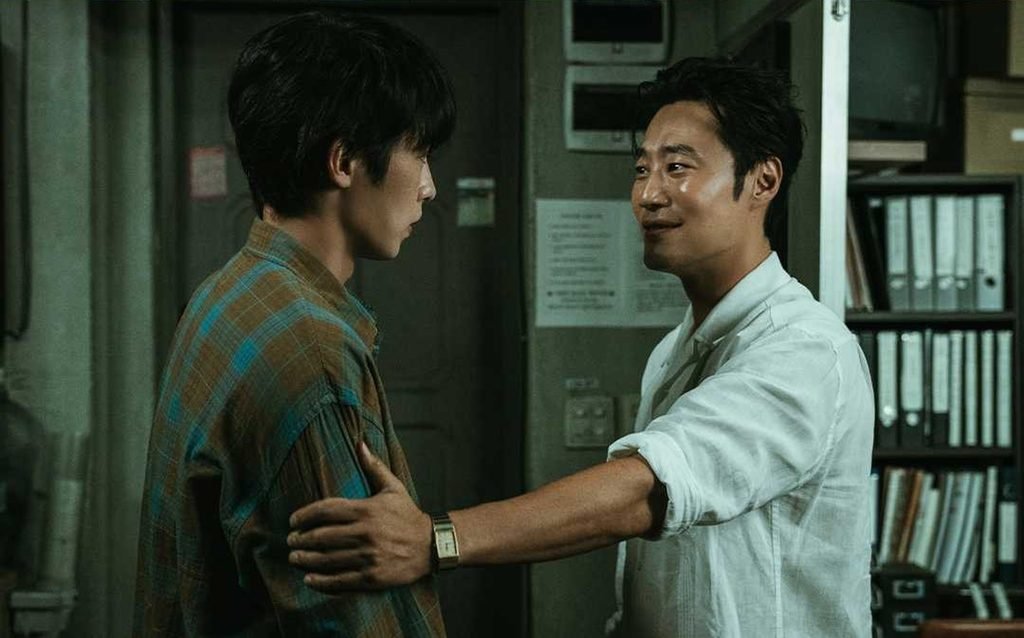
The teaser’s convenience-store offer is described as paying fifty times the minimum hourly wage. Hyeok-jun is initially suspicious, particularly when he sees the agency’s run-down premises, but the owner persuades him to accept.
That mismatch is a good detail: the workplace doesn’t look reassuring, yet the offer is attractive enough to keep him listening.
There is also a reporting discrepancy worth clearing up. Coverage of the main trailer mentions an advertisement starting at ten times minimum wage, while Netflix’s announcement and teaser publicity use fifty times. For the advertised premise, the official fifty-times figure is the stronger reference.
What we cannot do is turn those different numbers into a confirmed promotion ladder. There isn’t enough verified information here to say workers receive better rates after completing particular challenges.
When reading about the dead end job spider staffing agency rules, remember that an extraordinary salary is an offer. It doesn’t tell us when payment happens, what deductions exist or whether the worker can safely stop accepting jobs.
Hyeok-jun’s Motivation Makes Returning the Scary Part
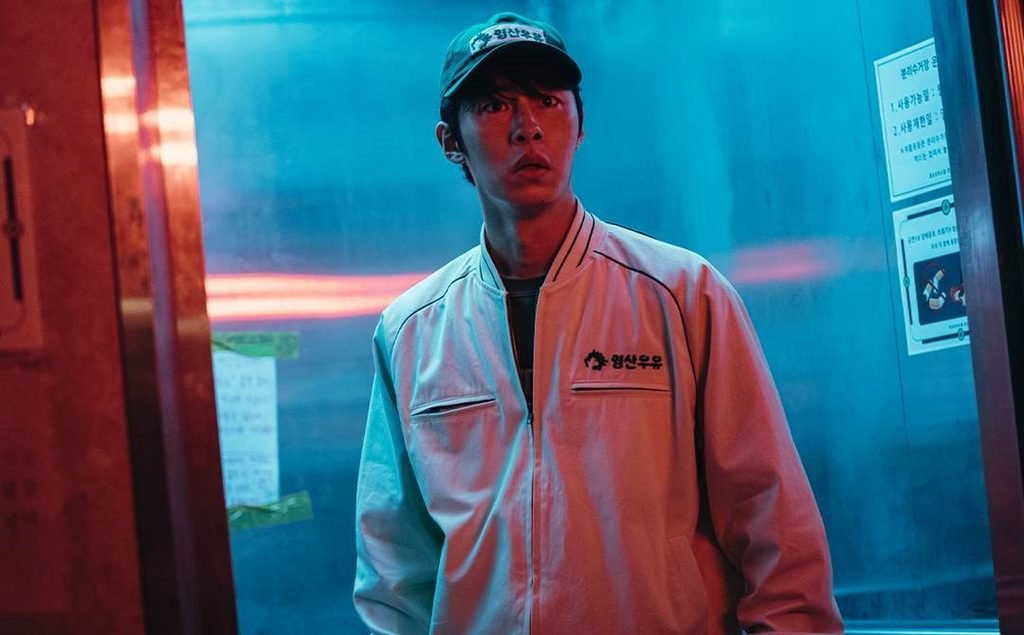
Lee Jae-wook plays Hyeok-jun, whose debt gives the recruitment pitch its power. Main-trailer coverage describes him returning to the agency despite his frightening experiences because the pay remains difficult to resist.
That is where the premise gets under my skin.
A first bad decision can come from missing information. Going back after something terrifying has happened asks a more uncomfortable question: what does he believe will happen if he refuses the money?
The Dead-End Job character motivations matter because “he should know better” can flatten the entire setup. Recognising danger and having a workable alternative are different things.
I want the drama to make those alternatives feel specific. How much relief does one payment buy? Does a successful shift make the next offer seem survivable? Those are questions for the episodes, but they would make his choices more convincing than simply having him ignore obvious warnings.
His fear should count. So should the pressure that sends him back.
Mr. S, Yeon-joo and Ji-yoon Each Complicate the Arrangement

Mr. S, played by Lee Hee-jun, controls access to the jobs. His reassuring manner is part of the pitch, while the promotional material presents a far less comforting side to him. His identity and deeper purpose remain open questions; calling him a demon or the creator of every threat would jump ahead of the evidence.
Yeon-joo, played by Go Min-si, investigates the agency’s mysteries. Netflix’s earlier character information identifies her as an accident investigator. Her role creates an obvious tension with the demand for silence: investigating requires information that workers may have been told to withhold.
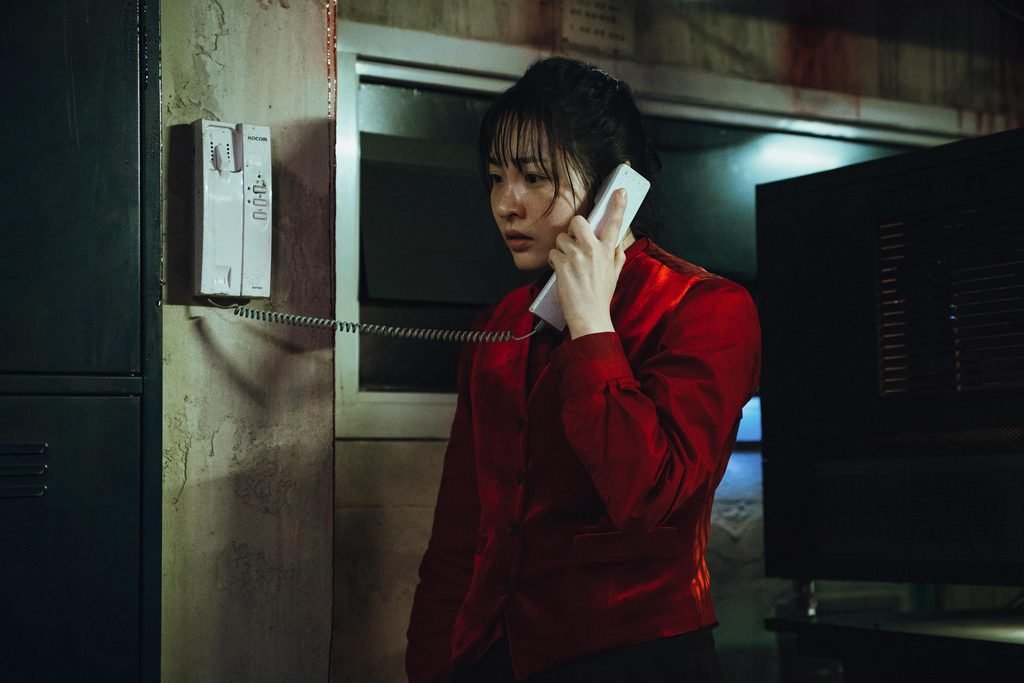
Ji-yoon, played by Kim Min-ha, is Hyeok-jun’s younger sister. Her character description treats poverty as more frightening than ghosts, and the main trailer has her approaching the agency’s boss to ask about her brother.
I’m particularly interested in that sibling angle. Ji-yoon can understand financial desperation while still worrying about what her brother has entered. That gives the story room for disagreement without making either sibling foolish.
Trailer Clues: What the Workplace Images Actually Establish

If you want Dead-End Job key scenes explained before release, the useful approach is to identify what each promotional image supports—and stop there.
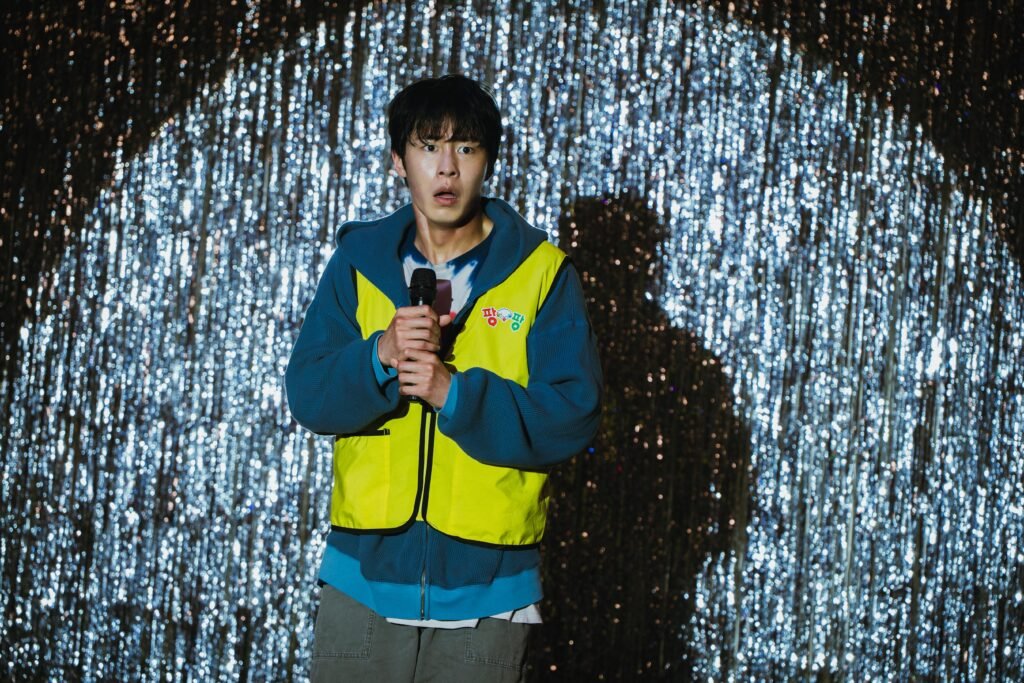
The moth-filled convenience store establishes immediate physical danger. A familiar late-night workplace becomes threatening. It does not, by itself, prove who controls the insects or whether they are connected to a broken rule.
The suspicious clown expands the range of threats. The teaser introduces an unsettling encounter, but an appearance isn’t an identity reveal. We don’t yet have grounds to explain its origin.
The milk-delivery still suggests another ordinary job becoming unsafe. Hyeok-jun appears frozen in an ominous setting. The contrast works because delivering milk should be routine; the publicity makes that routine feel unreliable.
Ji-yoon holding insecticide gives her a practical response to danger. The still shows her under red lighting, scanning her surroundings. It doesn’t establish that she and Hyeok-jun face the same incident.
These are useful Dead-End Job plot details. They are not a complete chain of cause and effect.
The Timeline Trap: Trailer Order Is Not Episode Order

The premise gives us a broad starting sequence: financial trouble, a tempting advertisement, contact with the agency and dangerous work. Beyond that, a montage is a shaky foundation for a detailed timeline.
A shot of Hyeok-jun looking frightened followed by a smiling Mr. S can suggest manipulation. It cannot establish that the two moments happen consecutively, or that the smile responds to that particular incident.
For Dead-End Job timeline and clues, I’d track three things once the episodes arrive: what instruction Hyeok-jun receives, what he understands before accepting, and what happens after he acts.
That would let us distinguish an actual rule from a warning, a lie or a coincidence. Until then, the dead end job spider staffing agency rules should stay grounded in the terms explicitly announced.
Fans Are Interested—and Some Think the Trailer Shows Too Much
A small October 26 discussion on Reddit’s r/KDRAMACHINGU captures a useful split. Some commenters were drawn in by the cast; another liked the prospect of dark horror-comedy. One viewer, however, felt the trailer revealed too much and was leaning toward skipping unless the response proved strong.
That is a handful of reactions, not a fandom-wide verdict. Still, the disagreement gets at the challenge facing this kind of mystery: publicity needs to sell the danger without explaining away the discovery.
I understand the hesitation. My interest depends less on how many frightening things the trailer can display and more on whether the agency’s behaviour holds together once we understand it.
The best payoff would make an early instruction feel different on a rewatch.
For the separate question of whether a source comic might offer answers, see our Dead-End Job source-story guide.
What I’m Watching for When the Agency Opens

My biggest unanswered question is who benefits from the silence. The employer is the obvious possibility, but the show still has to establish what the rule protects and how it is enforced.
I also want a clear distinction between being unable to leave and feeling unable to afford leaving. Those pressures could coexist, but they create different kinds of horror.
For now, the dead end job spider staffing agency rules give us a compelling starting point: secrecy attached to work that promises an extraordinary financial reward. The full contract, the consequences and the way out remain the mystery.
If you were Hyeok-jun, would the secrecy demand stop you from accepting—or would you need to survive that first shift before walking away?