Who Is Emi Shunsuke in The Blue Road? Kentaro Sakaguchi’s Character Explained

Written by Huzaifa
Emi Shunsuke is the pianist and sound artist behind the 2002 murders in The Blue Road. Kentaro Sakaguchi plays him. His family name is Minamoto, and as a boy he witnessed the murder of Hong Du-yeong. Years later, he turned what he heard that day into the centerpiece of his own performances.
Spoilers for all eight episodes of the 2026 Netflix series follow.
The detail I’d pay attention to is who gets to listen. As a child, Emi hears something the adults meant to keep from him. As a grown man in Gunsan, he can fill a theater, sit at a piano and decide what the audience will hear next. The change from a boy listening at the door to a man inviting people in is what makes his story worth going back to. There’s also Lee Hyeon-seo, the girl whose account gives the detectives their first real chance of catching him.
How Hyeon-seo puts a name to the tiger in Episode 3

Hyeon-seo remembers piano music from the place where she was held. She also remembers something shaped like a tiger. A witness in Japan had described a tiger, too, which makes for a pretty baffling lead until Kim Seok and Hiroshi Inose take the girl’s memory of the music seriously. What kind of person would put those two things in the same room?
An artist, it turns out. An online listing for a piece called The Tiger of the Ancestral Mountain describes an instrument that makes the sound of bones breaking. Its creator goes by Emi Shunsuke. A witness remembers the same three letters, EMI, on the account that paid him to post online. The exhibition listing even acknowledges that the workings of the instrument are a mystery. Emi had put enough of himself online for anyone to find. It took somebody who’d escaped him to understand what his description actually meant.
Netflix’s episode guide puts the identification in Episode 3. There are five episodes left. Once you know who made the instrument, the question becomes who gave him the idea.
Why Emi keeps asking for the time

First he walks into the Gunsan police station of his own accord. Then he eats during questioning, checks the time and extends an invitation to his next show. I love how little Sakaguchi has to do here. A suspect asking the time sounds reasonable. A performer asking the time before a show sounds reasonable, too. Both readings fit right up until another body turns up while he’s in custody.
Kim works out that Emi was keeping track of when someone would find the woman at the warehouse. And the police turn up one wonderfully mundane bit of evidence that he planned his visit. He asked a neighbor to look after his garden for two days, the length of time the detectives say they can hold him without a warrant. Later, a note at his house sends Kim rushing to his mother’s care facility. By the time Kim knows she’s safe, Hyeon-seo has disappeared from the hospital.
That’s what makes the invitation so nasty in hindsight. Emi tells the police where he’ll be. They have to work out why he wants them to come. The episode-by-episode recap follows the handoff between the station, the hospital and the concert if that stretch went by fast.
What Emi wants from the audience in Gunsan
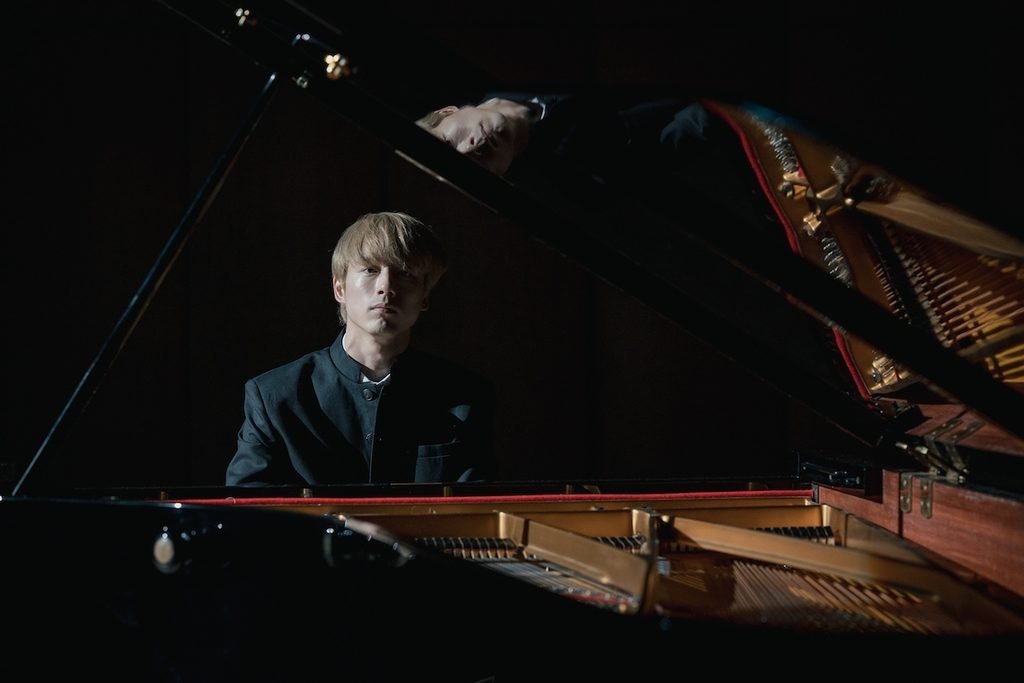
The concert takes place amid the 2002 World Cup celebrations. People have come out to enjoy themselves. Emi has an encore for them, and beneath the stage is Hyeon-seo. From a seat in the house, you can applaud the man at the piano without knowing what’s happening to the girl below him. Kim and Inose work it out. They reach her too late.
What gets to me about that scene is that Hyeon-seo has already done the hard thing. She got out once. She sat with Inose and went back through a terrifying memory in enough detail to identify her captor. Emi takes the one person who can explain his work to an audience and puts her where nobody can see her. Remember how proud he is afterward that the detectives saw his art? They wanted to see her. He seems incapable of hearing the difference.
Inose makes that distinction painfully clear at her wake. There’s no photograph of Hyeon-seo on display. What stays with him is the promise he made to her and couldn’t keep. For all the time Emi spent arranging his audience, he has remarkably little say over what either detective takes away.
Who kills Emi Shunsuke, and why does he call him Ito?

Episode 4 leaves you with a fall and a dispatch reporting that Emi died on the way to the hospital. Episode 5 takes you inside the ambulance. He’s alive when a familiar man gets in and addresses him as Minamoto Shunsuke. Emi recognizes Ito. The man he knew as a boy removes his oxygen mask.
Ito is Seo Hyun-tae, who looked after him when he was young. Emi’s father is Minamoto Shoichi, the man behind Minamoto Pharmaceuticals. Episode 6 lets us hear the father ask Hyun-tae to kill his son. The murders threaten to expose the drug used on the victims and the two older men’s shared history. Minamoto knows who can reach his son, and Hyun-tae has business of his own to bargain for.
I think the second name is the bleakest detail in the ambulance. For two episodes, the police have been putting scraps of information together to identify Emi. Hyun-tae has known exactly who he is all along. There’s a moment when being recognized by someone who took care of him ought to be the best thing that could happen to him. Then the mask comes off.
What the boy heard when Hong Du-yeong died

Episode 8 goes back to the encounter Emi spent his adult life restaging. Hyun-tae tells young Shunsuke to go play outside. Inside, Hong Du-yeong is talking about whether men like them can ever be forgiven. Hyun-tae kills him. The boy witnesses it with classical piano music in his ears. We hear the music continue alongside the cracking sounds that turn up years later in the description of his instrument.
The order of events matters. In the older cases connected to the covert torture unit known as the Print Shop, bodies were posed after death. Emi inflicts the injuries while his victims are alive. The pose helped the older men disguise what had happened. The sound interests Emi, and so does the fear he can produce in the people who hear it. Our guide to the original killings follows that distinction back through Kim’s family.
My read is that Emi grew up wanting the adult’s place in that room. He could choose the music this time. He could decide who listened. The flashback explains why those sounds belong together for him. It leaves him responsible for every choice he makes about Hyeon-seo.
Why Kentaro Sakaguchi makes the quiet scenes count
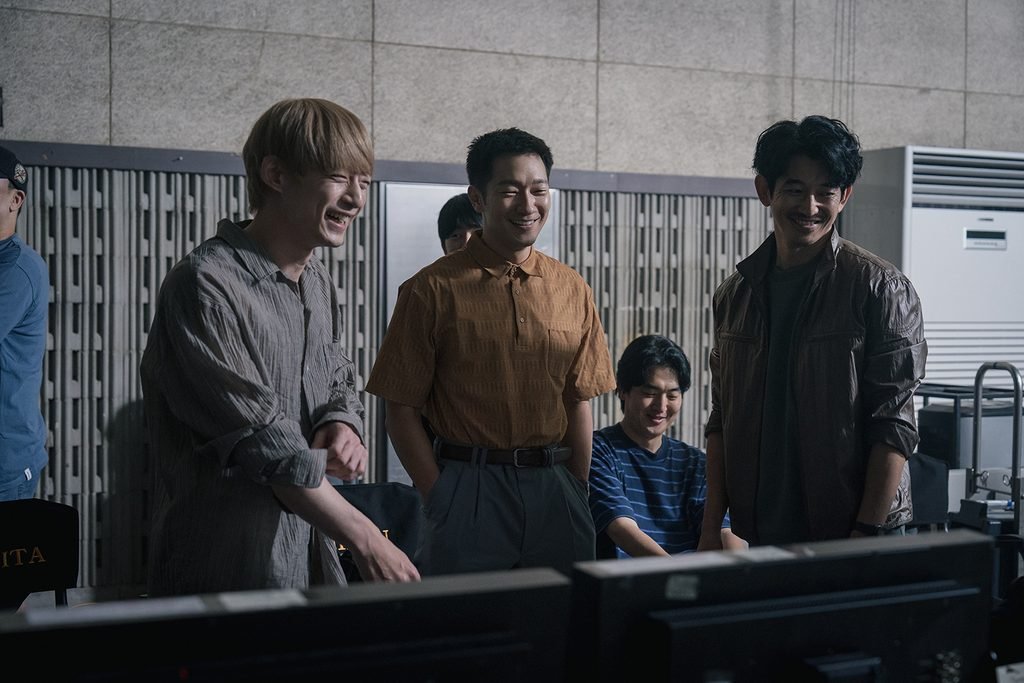
Director Han Jun-hee told Cineplay that he wanted to play against Sakaguchi’s romantic image. One viewer on theqoo’s Japan board came at the casting from a slightly different angle. Usually lukewarm on his acting, they singled out his work in darker roles and remembered liking that side of him in Hell Dogs, too. I’m with that viewer on where to look for the appeal here. His best bit of acting happens over an ordinary meal at the station.
Listen to what Emi does when Inose asks whether his art requires him to kill. He compliments Inose’s voice. He has opinions about its register and what he could do with it. Sakaguchi makes the compliment sound quite sincere, which is somehow worse. Inose is sitting across the table asking about murder, and Emi is already auditioning him. In the ambulance he has just a few words, and all that composure goes out of his voice when he recognizes who’s there.
Which moment changed how you heard Emi at the piano? For me it was the boy outside the door, but I can make a pretty good case for that first conversation about Inose’s voice. What was yours?