Dead End Job Webtoon: Original Screenplay, Novel or Adaptation?
Written by Huzaifa
A suspicious employment agency. An absurdly generous paycheck. A worker who desperately needs the money. You can see why someone would search for a dead end job webtoon after hearing that setup: it sounds like the beginning of a supernatural manhwa you could lose an entire night reading.
But before you start hunting for chapter one, there is a distinction worth making. A story that feels like a webtoon does not necessarily come from one.
Quick Answer: Dead-End Job has no officially identified source webtoon, web novel or published novel in the Netflix materials checked for this guide. Those materials credit screenwriters Kyeong Min-sun and Lee Shin-ji. The evidence points toward an original screen story, but Netflix has not explicitly declared that no underlying source exists.
What the official credits actually tell us

Netflix first announced the project under the title Perfect Job. Its production announcement names Kyeong Min-sun and Lee Shin-ji as the writers, Kim Da-min as director, and Han Jun-hee as executive producer. Later publicity identifies Han as the series creator overseeing its creative development.
Those are screen-production credits. The announcement does not identify a source novelist, webtoon artist, original book title or publisher.
This was the detail I checked twice: a screenwriter credit alone cannot prove that a drama is an original screenplay. Adaptations have screenwriters, too. The stronger point is that the official material introduces the creative team without identifying any underlying publication.
That makes “apparently an original screen story, with no announced literary source” the most accurate answer available. Calling it a confirmed webtoon adaptation would require evidence that the announcements do not provide. Calling an unnamed novel its source would create exactly the same problem.
Why the webtoon question keeps coming up
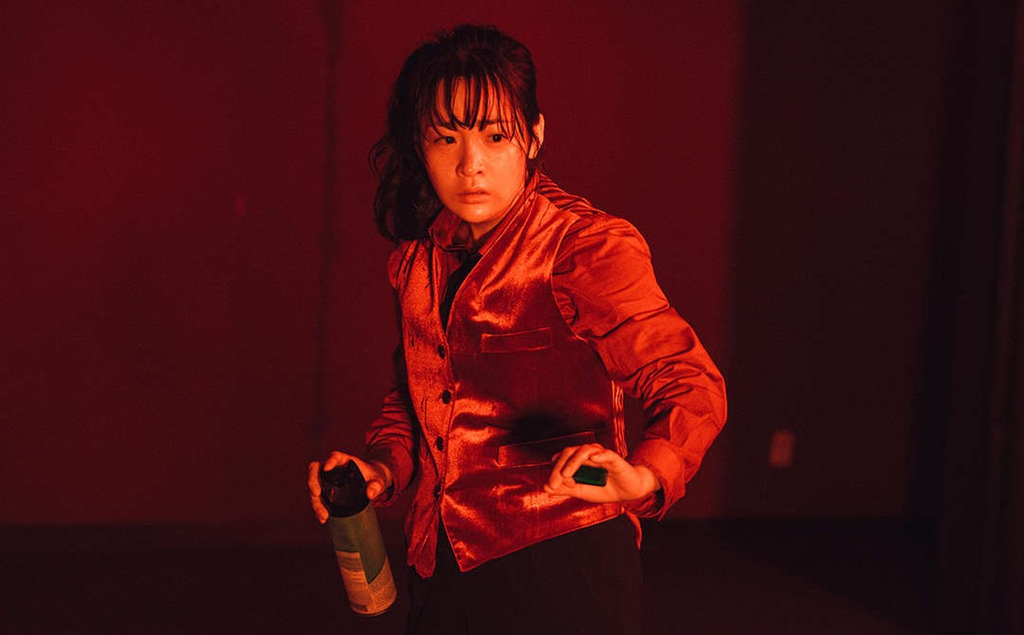
The confusion is understandable. A bizarre employer, escalating assignments and dangerous rules give the premise the kind of structure that could work beautifully in serialized comics.
The question also appears in actual fan discussion. Under the teaser poster on Reddit’s r/KDRAMA, one viewer asks whether the show is based on a webtoon. A reply describes it as an original screenplay and links Netflix’s production announcement.
That exchange is useful for understanding what viewers are asking. It is not a substitute for the announcement itself.
There is another trap here: “Netflix Original” and “original screenplay” answer different questions. The platform label does not, by itself, establish whether an earlier book or comic exists. For this article, I checked the named writing credits and the source information, rather than treating the Netflix branding as proof.
So a dead end job webtoon search reflects a reasonable question. It does not establish that there is a comic waiting to be found.
Perfect Job, 꿀알바 and Dead-End Job: which story is which?
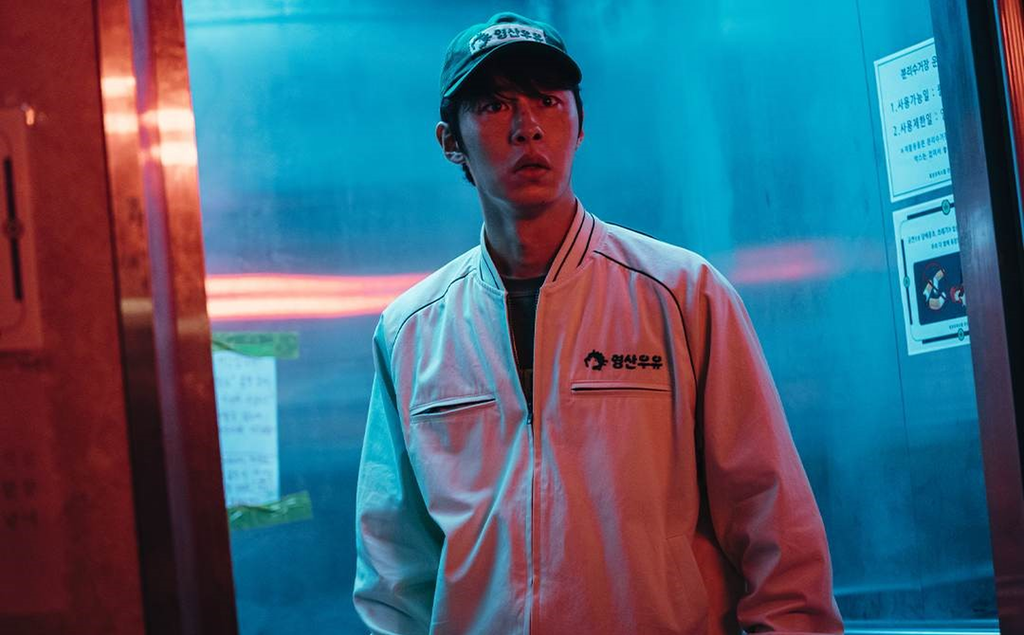
The changing title can make the search feel more confusing than it needs to be.
| Name you may encounter | What it refers to |
|---|---|
| Dead-End Job | The series’ current English title |
| Perfect Job | The English title used in Netflix’s initial production announcement |
| 꿀알바 | The Korean title, commonly rendered as a sweet or cushy part-time job |
These names refer to the same television project. Finding an older Perfect Job announcement does not mean you have located a separate source novel.
The title contrast is also a good joke. The earlier English title sells the opportunity from the applicant’s perspective. Dead-End Job makes us suspicious before he even starts working. My reading is that the promise and the threat are built into those two ways of naming the premise.
An English title match is therefore a poor shortcut when looking for source material. Match the Korean title, credited creators and official adaptation information before assuming two works are connected.
The teaser’s setup, beat by beat
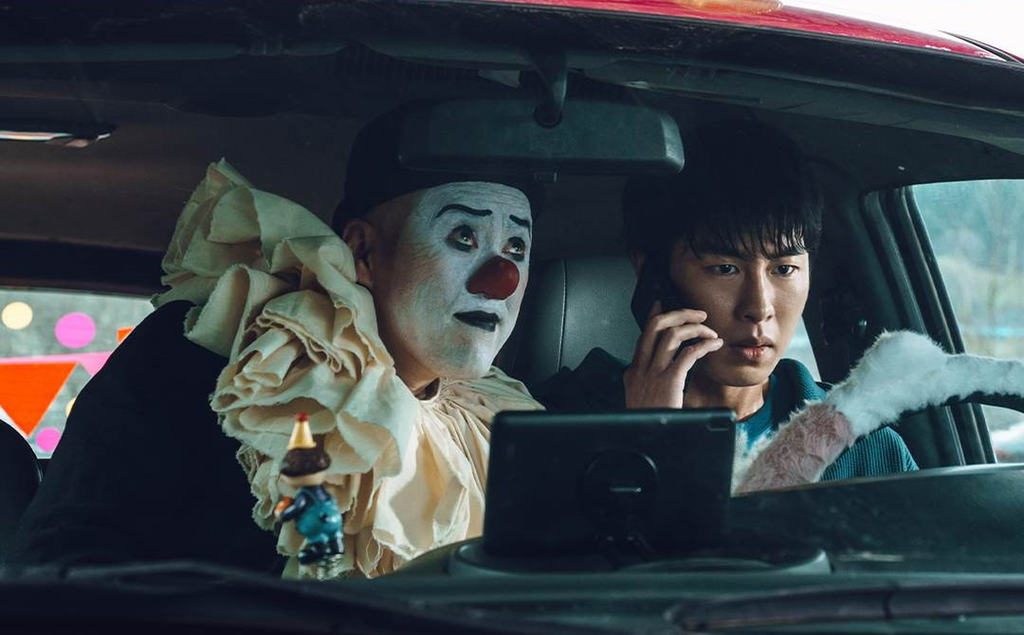
Dead-End Job is scheduled to reach Netflix on October 30, 2026. This section explains the publicly described teaser setup, rather than pretending to reconstruct released episodes or a finale.
First, the financial pressure. Hyeok-jun, played by Lee Jae-wook, is struggling with debt. That gives the employment offer its appeal before the supernatural danger enters the picture.
Then, the offer. A flyer leads him toward Spider Staffing Agency. The promised wage starts at 50 times the minimum hourly rate. An ordinary part-time job suddenly looks like a way out.
Next, the persuasion. Teaser coverage describes his hesitation at the agency’s shabby surroundings. Its head, played by Lee Hee-jun, persuades him to accept a convenience-store night shift.
Finally, the ordinary workplace becomes threatening. Promotional material shows the apparent opportunity collapsing into danger, including moths and disturbing clown imagery.
Those are teaser beats, not a chapter-to-episode map. A trailer can place images from separate jobs beside each other, so their editing order should not be treated as the story’s complete chronology.
Why would Hyeok-jun accept such an obvious warning sign?
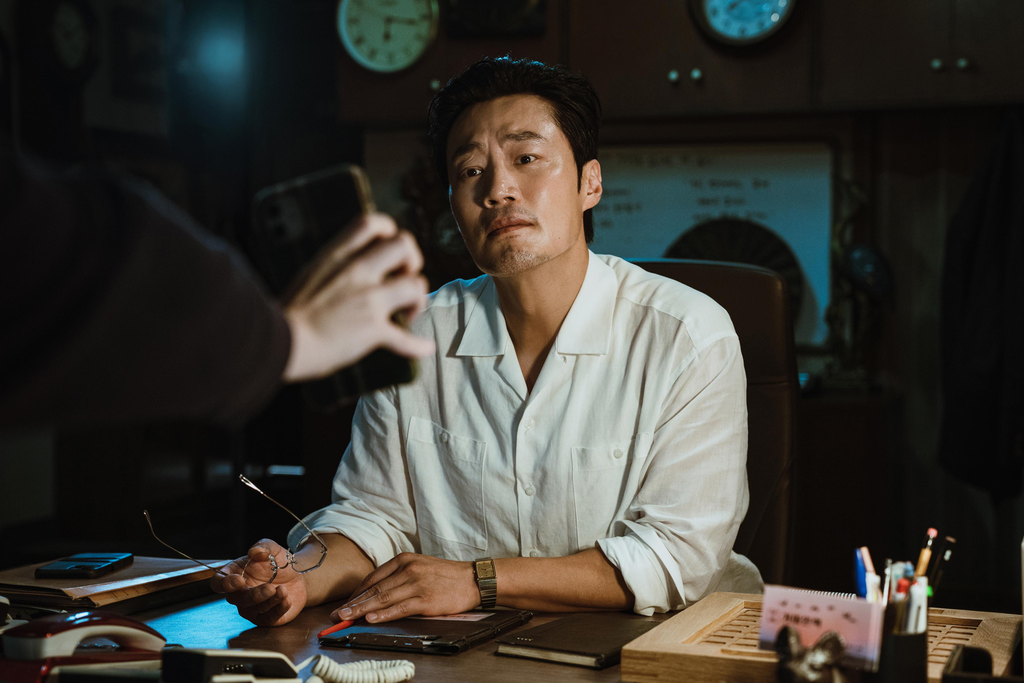
The debt matters more than the scary building.
From a comfortable seat, it is easy to say that nobody should trust an offer like this. Hyeok-jun’s situation makes that reaction less satisfying. A dangerous opportunity can seem worth considering when the safer choices offer no believable escape from what you already owe.
Netflix’s publicity also establishes a secrecy rule: workers must not disclose what happens on the job. That is the detail I find more unsettling than the size of the wage. Money makes the offer attractive; secrecy removes the possibility of openly comparing experiences.
My interpretation is that the setup turns a familiar employment anxiety into horror: how much danger can a person be persuaded to accept when the pay is high enough?
That is a thematic reading of the premise. It does not tell us who controls the agency, what its employer really wants, or how the rules work. Those questions need answers from the story itself, not a supposed novel ending.
Can we discuss Dead-End Job adaptation differences yet?
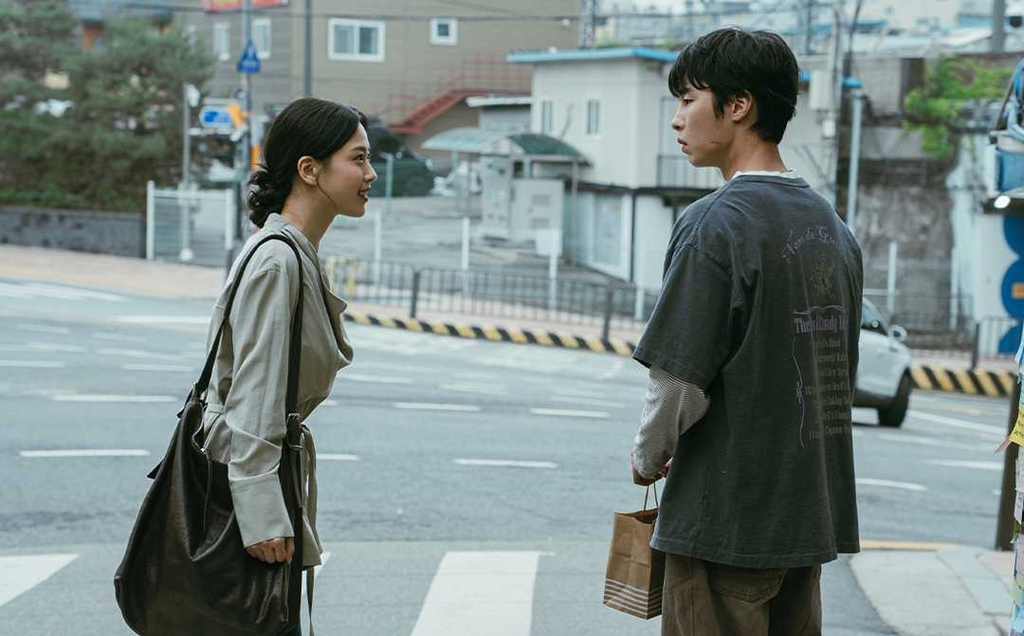
There is no verified source text against which to measure them.
To explain Dead-End Job adaptation differences, we would need two identifiable versions: the screen series and the earlier work it adapts. Without that second version, claims about removed characters, changed deaths, compressed chapters or an altered ending have no reliable foundation.
Even the existence of a similarly titled comic would not solve that problem. It would need a documented connection to this production.
This matters most when someone offers an alleged “original ending.” A confident spoiler can sound convincing because it uses the right actor names and repeats the official premise. Neither proves that the writer has read a source novel.
For now, discussion can compare the promotional promise with what the released series eventually delivers. That is a useful question about storytelling. It should not be presented as a comparison with an unverified book or webtoon.
A Dead-End Job legal reading guide: is there anywhere to read it?

There is no verified source-reading destination to recommend for this series. I could not establish an official Korean source listing or a licensed English source edition through the materials checked.
If you are searching for a Dead-End Job web novel, the missing piece is not simply an English translation link. It is confirmation that such a source publication exists.
Before buying access to something advertised as the drama’s original story, check three things:
- The exact work: does its Korean title and synopsis identify this story?
- The creator and publisher: are they clearly named on an official publication page?
- The adaptation connection: does the production or rights holder identify that publication as the source?
A cover resembling a drama poster or a page using an actor’s name cannot establish that connection.
For the screen version, use the official Dead-End Job page on Netflix. It provides the legitimate viewing destination, with playback availability determined by the release and your local catalog.
What to pay attention to when the series arrives
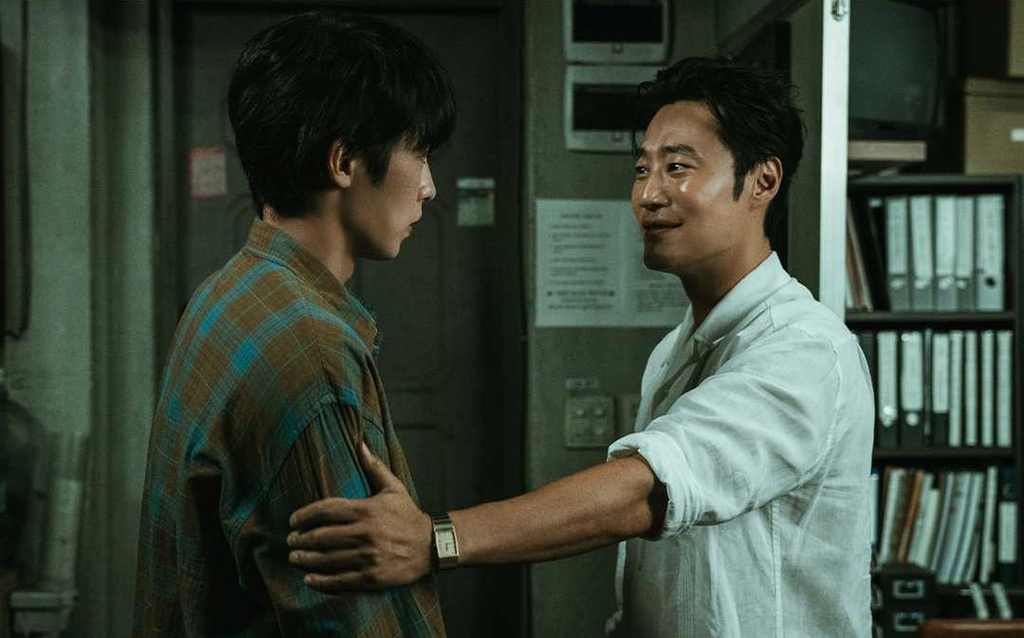
With no verified source chapters to consult, the interesting questions are inside the show: who benefits from keeping the jobs secret, how workers are persuaded to return, and whether the promised money gives them any lasting freedom.
I would also separate a rule being stated from a rule being demonstrated. An employer can tell a worker almost anything. The revealing moment is what happens when someone follows, questions or breaks that instruction.
Those are viewing questions, not predictions about a hidden villain. They leave room for the drama to establish its own logic instead of forcing it into a fan-made explanation before it has begun.
If you want something frightening to watch while waiting, DaebakDaily’s Halloween horror K-drama guide includes a preview of this series alongside other viewing options.
For this source-story question, though, keep the distinction clear: an apparent original screenplay is supported by the available evidence; a named source adaptation is not currently established.
Frequently asked questions
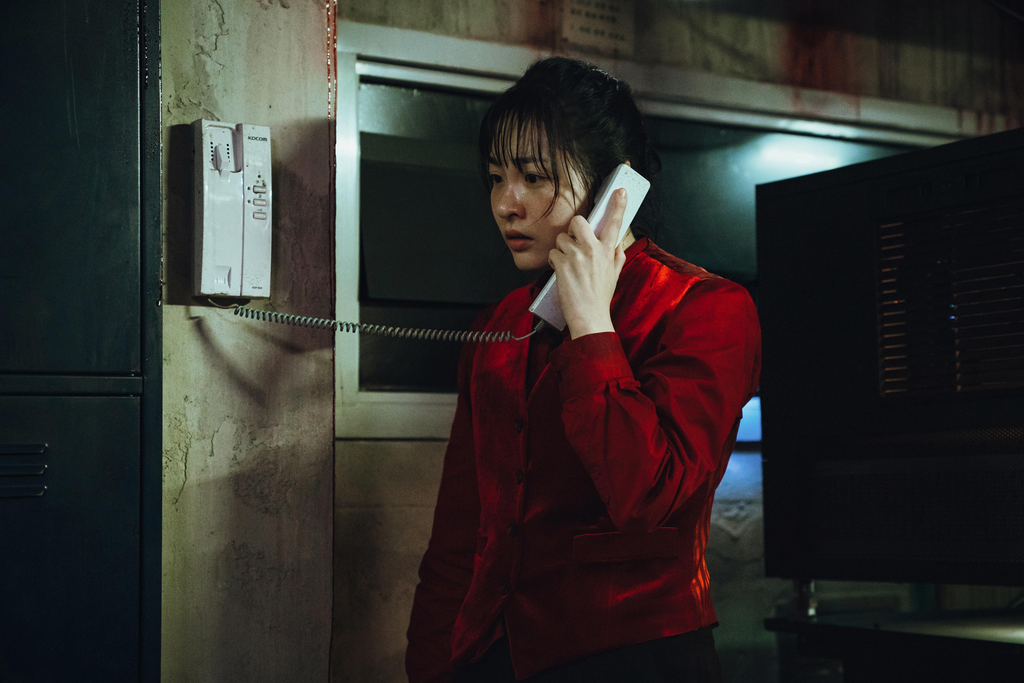
Is there a Dead End Job webtoon?
No source webtoon has been officially identified in the Netflix materials checked for this guide. The available credits point toward an original screen story, although they do not contain an explicit statement ruling out every possible underlying source.
Is Dead-End Job based on a novel or web novel?
No source novel or web novel has been verified. Netflix names Kyeong Min-sun and Lee Shin-ji as screenwriters without naming a literary work they are adapting.
Where can I read the Dead End Job webtoon in English legally?
There is no verified licensed English source edition to link. Before looking for a translation, the existence and identity of the supposed source comic would need to be established.
Can I read ahead to discover the ending?
There is no verified source ending to read ahead. Treat claims about a novel finale or changed webtoon ending as unconfirmed unless they identify a documented source work.
What is your theory about Spider Staffing Agency: why would an employer pay so much and insist on silence? Share your thoughts in the comments, and label any episode spoilers for readers who have not started watching.